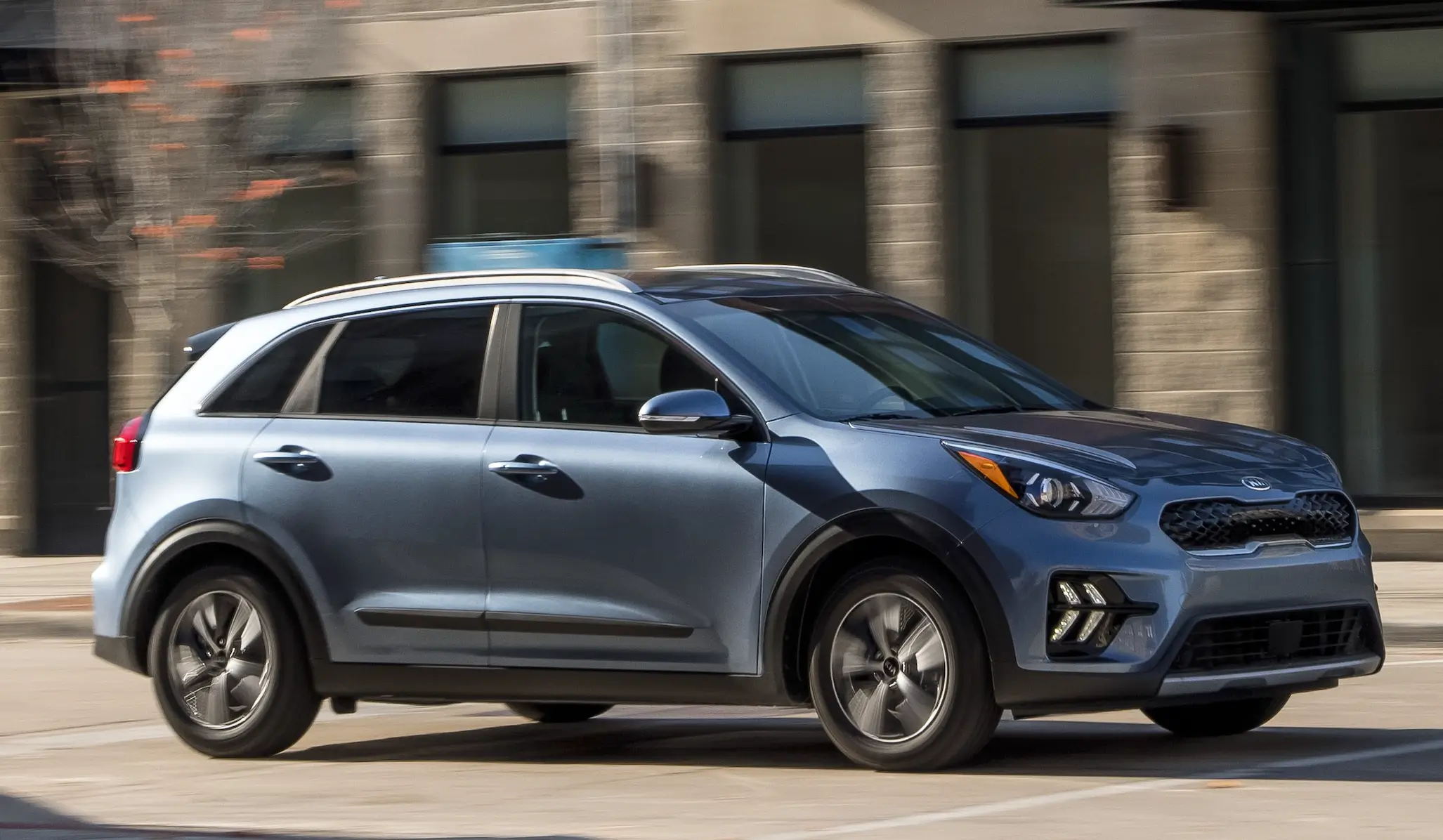
The Kia Niro stands as one of the smartest examples of how modern electrified vehicles can blend efficiency, practicality, and everyday usability without forcing drivers to compromise. Unlike many eco-focused crossovers that prioritize fuel economy at the expense of comfort or personality, the Kia Niro delivers a remarkably balanced experience. It feels approachable for first-time hybrid buyers while still offering enough technology and refinement to attract experienced EV shoppers.
What makes the Niro especially interesting is that it is not limited to a single electrified format. Instead, Kia created an entire family around the same compact crossover platform. Buyers can choose from a traditional Hybrid (HEV), a Plug-in Hybrid (PHEV), or a fully electric Niro EV. That flexibility has helped the Niro become one of the most accessible electrified SUVs in the American market.
From urban commuting to long-distance travel, the Niro was designed around real-world driving habits rather than futuristic gimmicks. Consequently, it appeals to drivers who want lower fuel costs and cleaner mobility without dramatically changing their routines.
A Quick Look at the Kia Niro’s Origins
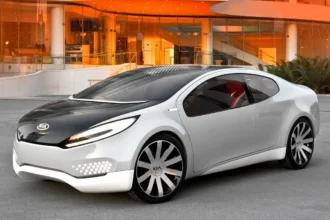
The Niro story actually began long before the production model arrived in dealerships. Kia first introduced the Niro as a bold concept vehicle at the 2013 Frankfurt Motor Show before bringing it to the 2014 Chicago Auto Show in the United States. Early versions showcased a futuristic B-segment crossover with rally-inspired styling, butterfly doors, hybrid-assisted all-wheel-drive capability, and advanced aerodynamic detailing.
Although the production model became far more practical and road-friendly, traces of the original concept still survive in today’s design language. The distinctive side air blades, athletic proportions, and aerodynamic silhouette all evolved from those early concept studies.
Over time, the Niro transformed from an experimental urban crossover into one of Kia’s most important electrified nameplates.
Three Electrified Choices for Different Drivers
One of the Niro’s biggest strengths is its versatility. Instead of forcing consumers into a one-size-fits-all solution, Kia offers three separate powertrain choices.
Hybrid (HEV)
The standard hybrid pairs a 1.6-liter four-cylinder engine with an electric motor, producing a combined 139 horsepower. More importantly, it achieves up to an EPA-estimated 53 MPG combined, making it one of the most fuel-efficient non-plug-in crossovers available today.
For commuters spending hours in traffic or drivers covering long highway distances, the HEV version offers impressive savings at the gas pump without requiring charging infrastructure.
Plug-in Hybrid (PHEV)
The Plug-in Hybrid increases output to approximately 180 horsepower while adding around 33 miles of all-electric driving range. That means many daily commutes can happen entirely on electricity before the gasoline engine activates.
This version works particularly well for drivers who want EV-like efficiency but still need the reassurance of a gasoline engine for road trips.
Niro EV
The fully electric Niro EV delivers around 201 horsepower and an estimated driving range of roughly 253 miles on a full charge. Acceleration feels noticeably quicker than the hybrid variants, especially during city driving where instant electric torque shines.
Moreover, the Niro EV maintains the practicality of the standard model while eliminating fuel stops entirely.
Design That Prioritizes Efficiency Without Looking Boring
Many eco-conscious vehicles struggle to escape bland styling, but the Niro takes a different approach. Kia gave the crossover a clean yet modern appearance that feels youthful without becoming overly aggressive.
The signature aerodynamic side blades integrated into the rear pillars are more than decorative elements. They help channel airflow more efficiently around the body, contributing to improved aerodynamics and better energy efficiency.
Inside, the cabin feels surprisingly upscale for its price range. Sustainable materials play a major role throughout the interior, including recycled wallpaper, bio-based plastics, and headliner materials derived from eucalyptus leaves.
At the same time, practicality remains a priority. Passenger space is generous for a compact crossover, and cargo capacity is strong enough for grocery runs, airport luggage, or weekend trips.
I personally found the seating position especially comfortable during extended highway driving because the cabin layout feels open and visibility remains excellent from nearly every angle.
Technology and Everyday Convenience
The Niro focuses heavily on usability rather than overwhelming drivers with unnecessary complexity. Dual digital displays create a modern dashboard environment, while intuitive infotainment controls help reduce distractions.
Available features include:
- Dual panoramic displays
- Wireless smartphone integration
- Adaptive cruise control
- Highway Driving Assist
- Heated and ventilated seats
- Digital Key functionality
- Over-the-air update capability
Additionally, the Niro includes Kia’s industry-leading 10-year/100,000-mile powertrain warranty, which remains one of the strongest ownership advantages in the automotive industry.
That warranty alone adds meaningful peace of mind for buyers transitioning into hybrid or electric ownership for the first time.
How the Kia Niro Compares to Rivals
In the growing electrified crossover segment, the Niro competes against models like the Toyota Corolla Cross Hybrid, Hyundai Kona Electric, and Toyota Prius. However, the Niro occupies a unique middle ground between efficiency, affordability, and practicality.
| Model | Powertrain Options | Estimated Efficiency/Range | Cargo Practicality | Starting Price Range |
|---|---|---|---|---|
| Kia Niro | HEV, PHEV, EV | Up to 53 MPG / 253 miles EV range | Excellent | Competitive |
| Toyota Corolla Cross Hybrid | Hybrid only | Around 42 MPG | Good | Moderate |
| Hyundai Kona Electric | EV only | Around 261 miles | Moderate | Higher |
| Toyota Prius | Hybrid/PHEV | Excellent MPG | Lower SUV practicality | Similar |
While some competitors excel in one specific category, the Niro succeeds because it balances multiple priorities simultaneously.
Example of Where the Niro Excels
Imagine a driver living in a busy suburban area outside a major U.S. city. Their weekday routine includes school drop-offs, office commuting, grocery shopping, and occasional weekend highway trips.
A larger SUV might consume excessive fuel and become difficult to park, while a small sedan may lack cargo flexibility. In contrast, the Niro fits neatly into urban parking spaces, delivers outstanding fuel economy, and still provides enough interior room for family duties.
The Plug-in Hybrid model becomes especially useful in this scenario because short weekday drives can happen entirely on electric power, yet longer weekend trips remain stress-free thanks to the gasoline engine backup.
That balance between convenience and efficiency is exactly where the Niro separates itself from many competitors.
Why the Kia Niro Holds Long-Term Appeal
The Niro’s strongest advantage is not just efficiency—it is accessibility. Kia designed the vehicle for mainstream drivers rather than niche EV enthusiasts. Everything from the controls to the driving dynamics feels familiar and easy to adapt to.
Furthermore, Kia avoided the mistake of turning the Niro into a technology experiment. Instead, the brand focused on delivering genuine everyday value.
The result is a crossover that appeals to a broad audience:
- First-time hybrid buyers
- Urban commuters
- Small families
- Environmentally conscious drivers
- EV shoppers seeking practicality
- Budget-focused consumers wanting lower ownership costs
Few electrified crossovers manage to satisfy all of those groups simultaneously.
Related: Kia Multi-S Overview
Conclusion
The Kia Niro proves that efficient transportation no longer needs to feel like a compromise. Whether buyers choose the Hybrid, Plug-in Hybrid, or fully Electric version, the Niro delivers an impressively complete package centered around practicality, affordability, and modern technology.
Its spacious interior, eco-conscious materials, strong efficiency figures, and flexible powertrain lineup make it one of the smartest compact crossovers currently available. More importantly, it achieves all of that while remaining approachable for everyday drivers.
For consumers searching for an electrified SUV that fits naturally into daily life instead of demanding major lifestyle changes, the Kia Niro remains one of the most compelling options in its segment.
FAQs
Is the Kia Niro fully electric?
The Niro is available in three versions: Hybrid (HEV), Plug-in Hybrid (PHEV), and fully Electric (EV). Buyers can choose the version that best fits their driving habits.
What is the fuel economy of the Kia Niro Hybrid?
The Kia Niro Hybrid achieves up to an EPA-estimated 53 MPG combined, depending on trim and driving conditions.
How far can the Kia Niro EV travel on a full charge?
The Niro EV offers an estimated driving range of approximately 253 miles on a full charge.
Is the Kia Niro a good family vehicle?
Yes. Despite its compact dimensions, the Niro provides generous passenger room, practical cargo space, and strong safety technology for small families.
What makes the Kia Niro different from other hybrid SUVs?
Unlike many competitors, the Niro offers three electrified powertrain choices within the same model lineup while maintaining competitive pricing and excellent practicality.