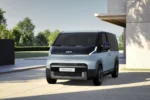
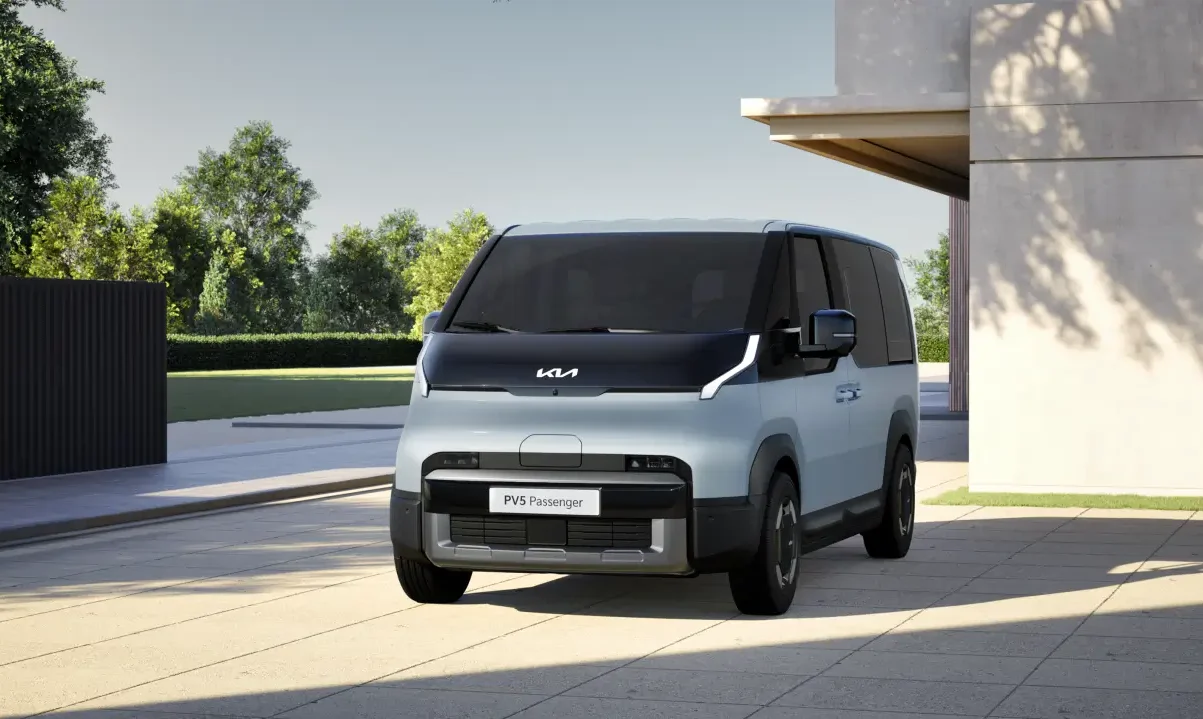
As the automotive industry shifts toward electrification, automakers are no longer focusing solely on building electric cars—they’re creating entire mobility ecosystems. The Kia PV5 Concept is one of the best examples of this evolution. Introduced as part of Kia’s ambitious Platform Beyond Vehicle (PBV) strategy, the PV5 combines a fully electric powertrain with a highly adaptable design that serves both personal and commercial transportation needs.
Rather than offering a one-size-fits-all vehicle, Kia designed the PV5 to be customized for families, businesses, delivery services, ride-sharing operators, and specialized industries. Its flexible platform, spacious cabin, advanced technology, and practical functionality make it one of the most innovative electric mobility concepts the company has introduced.
If you’re wondering whether the PV5 is simply another electric van, the answer is no. It’s a purpose-built mobility platform designed for the next generation of transportation.
What Is the Kia PV5?
The Kia PV5 Concept is a fully electric Platform Beyond Vehicle (PBV) developed on Kia’s dedicated E-GMP.S (Electric Global Modular Platform for Service) architecture. Unlike conventional vans that share platforms with passenger vehicles, the PV5 has been engineered specifically for modularity, allowing multiple body styles and interior layouts to be built on the same foundation.
The platform supports several configurations, including:
- Passenger model
- Cargo van
- Chassis Cab
- Wheelchair Accessible Vehicle (WAV)
- Future customized commercial variants
This flexible approach enables owners to choose a configuration that fits their daily needs without sacrificing efficiency or technology.
Exterior Design Focuses on Function Without Losing Style
At first glance, the PV5 has a clean, futuristic appearance. Its upright proportions and box-like silhouette aren’t just styling choices—they maximize interior space while maintaining compact exterior dimensions.
Measuring approximately 4.7 meters in length and standing below 1.9 meters tall, the PV5 remains easy to maneuver through crowded city streets and can comfortably fit into most parking garages.
Notable exterior highlights include:
- Modern LED lighting signature
- Short front overhang
- Large sliding side doors
- Wide rear cargo opening
- Aerodynamic body surfaces
- Durable lower body cladding
The overall design balances practicality with Kia’s latest “Opposites United” design philosophy, giving the vehicle a modern yet approachable look.
A Cabin Designed Around Everyday Practicality
The biggest surprise comes once you step inside.
Instead of a traditional van interior, the cabin feels open, flexible, and technology-focused. Every element has been designed to maximize usable space while making daily tasks easier.
Passenger versions feature:
- Low 399 mm step-in height
- Flat floor throughout the cabin
- Spacious five-seat layout
- Optional seven-seat configuration
- Large windows for excellent visibility
One feature that stands out is Kia’s clever L-track rail system, which allows owners to securely fasten cargo, storage accessories, or seating in different positions depending on their needs.
I particularly like how Kia has focused on adaptability rather than adding unnecessary luxury features. It feels like a vehicle designed around how people actually use transportation every day.
Electric Performance That Prioritizes Efficiency
The PV5 is built around a 400-volt electrical system, delivering smooth front-wheel-drive performance while keeping costs manageable.
Expected battery choices include:
| Feature | Standard Battery | Long-Range Battery |
|---|---|---|
| Capacity | 51.5 kWh | 71.2 kWh |
| Estimated WLTP Range | 300–400 km | Up to approximately 400 km+ |
| Drive Layout | Front-Wheel Drive | Front-Wheel Drive |
| Output | Around 160 hp | Around 160 hp |
| Fast Charging | 10–80% in under 30 minutes | 10–80% in under 30 minutes |
Although performance isn’t sports-car focused, the instant torque of the electric motor delivers smooth acceleration, especially in urban environments where commercial vehicles spend most of their time.
Fast charging up to 150 kW also minimizes downtime for businesses operating throughout the day.
Multiple Versions for Different Lifestyles
One of the strongest aspects of the PV5 is its versatility.
Instead of asking buyers to adapt to the vehicle, Kia allows the vehicle to adapt to the buyer.
Passenger Model
Designed for families, airport shuttles, ride-sharing services, and group transportation.
Highlights include:
- Sliding rear doors
- Flexible seating arrangements
- Large luggage compartment
- Quiet electric driving experience
- Spacious interior
Cargo Version
Created specifically for delivery companies and small businesses.
Benefits include:
- Large cargo volume
- Reinforced bulkhead options
- Easy loading floor
- Low running costs
- Zero tailpipe emissions
Chassis Cab
For businesses requiring customized solutions, the Chassis Cab serves as a blank platform suitable for specialized applications such as refrigerated transport, utility service bodies, mobile workshops, or compact pickup conversions.
Wheelchair Accessible Vehicle (WAV)
Accessibility has become an important part of modern mobility, and Kia has included a dedicated WAV version featuring:
- Side-entry wheelchair ramp
- Universal wheelchair securing system
- Third-row tip-up seats
- Easy passenger access
This version demonstrates Kia’s commitment to making electric transportation more inclusive.
Technology That Supports Daily Use
Technology inside the PV5 is focused on improving convenience rather than adding unnecessary complexity.
Expected features include:
- 12.3-inch infotainment touchscreen
- 7.5-inch digital driver display
- Wireless smartphone connectivity
- Heated front seats
- Over-the-air software updates
- Vehicle-to-Load (V2L) functionality
- Advanced driver assistance systems
Because the vehicle is software-defined, future updates can introduce new features without requiring hardware changes.
How the PV5 Compares With a Popular Electric MPV
While the PV5 targets several market segments, many buyers will naturally compare it with the Volkswagen ID. Buzz.
| Category | Kia PV5 Concept | Volkswagen ID. Buzz |
|---|---|---|
| Platform | E-GMP.S PBV | MEB |
| Body Styles | Passenger, Cargo, WAV, Chassis Cab | Mostly Passenger and Cargo |
| Customization | Extensive modular configurations | More limited |
| Charging Speed | Up to 150 kW | Up to around 170 kW (varies by model) |
| Interior Flexibility | Excellent | Very Good |
| Commercial Focus | Strong | Moderate |
| Value | Expected to be highly competitive | Generally higher-priced |
For buyers seeking maximum flexibility especially businesses and fleet operators, the PV5 offers a broader range of configurations than many traditional electric vans.
Practical Applications of the Kia PV5 Concept
Imagine a growing local bakery that delivers fresh products across the city each morning while also attending weekend farmers’ markets.
During the week, the Cargo version can transport baking supplies efficiently with low operating costs. On weekends, the same modular platform could support a customized mobile retail setup, allowing the business to serve customers directly. This kind of adaptability helps reduce fleet complexity while making better use of a single vehicle platform.
Why the PV5 Stands Out
Many electric vans simply replace an internal combustion engine with a battery. The PV5 goes further by rethinking how a vehicle can serve different people and industries.
Its dedicated modular architecture, software-driven features, multiple body styles, accessibility options, and practical interior make it far more than a conventional electric van. Whether used by families, entrepreneurs, delivery services, or fleet operators, the PV5 is designed to evolve alongside changing transportation needs rather than becoming outdated after a few years.
Related: Kia PV1 Concept Overview
Conclusion
The Kia PV5 Overview highlights a vehicle that reflects the future of electric mobility rather than merely following current trends. By combining a purpose-built electric platform with exceptional flexibility, smart technology, and practical design, Kia has created a solution capable of serving both private owners and commercial users.
While production specifications may vary by market, the core vision remains clear: deliver an electric vehicle that adapts to real-world demands instead of forcing owners to compromise. As Kia continues expanding its PBV lineup, the PV5 is positioned to become one of the brand’s most influential innovations in sustainable transportation.
FAQs
Is the Kia PV5 an SUV?
No. The PV5 is a purpose-built electric platform vehicle designed primarily as a passenger MPV, cargo van, and commercial mobility solution.
What platform does the Kia PV5 use?
It is built on Kia’s dedicated E-GMP.S (Electric Global Modular Platform for Service) architecture, developed specifically for Platform Beyond Vehicle applications.
What battery options are available?
Expected battery choices include 51.5 kWh and 71.2 kWh packs, depending on the selected model and intended use.
Does the PV5 support fast charging?
Yes. The vehicle supports DC fast charging of up to 150 kW, enabling a charge from 10% to 80% in less than 30 minutes under suitable conditions.
Will there be commercial versions?
Yes. Kia plans Passenger, Cargo, Chassis Cab, and Wheelchair Accessible Vehicle (WAV) variants, with additional specialized configurations expected in the future.
Who is the Kia PV5 designed for?
The PV5 is intended for a wide audience, including families, ride-hailing services, delivery companies, small businesses, fleet operators, and organizations requiring accessible transportation.