The Kia Multi-S was one of the brand’s most ambitious concept vehicles of the mid-2000s. Introduced at the 2005 Frankfurt Motor Show, this futuristic crossover explored a bold idea: what if a single vehicle could combine the comfort of a family MPV, the rugged image of an SUV, and the everyday practicality of a hatchback?
At the time, crossover vehicles were still evolving. Most automakers were experimenting with different shapes and purposes, yet Kia approached the segment from a surprisingly practical angle. Instead of chasing pure performance or luxury, the Multi-S focused on flexibility, smart packaging, and modern family needs. That approach eventually became one of Kia’s strongest advantages in later years.
Interestingly, the “S” in Multi-S represented three key traits Sporty, Spacious, and Smart. Those ideas shaped nearly every part of the vehicle, from its sleek exterior to its highly adaptable cabin layout.
A Design That Predicted the Future
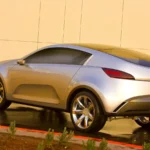
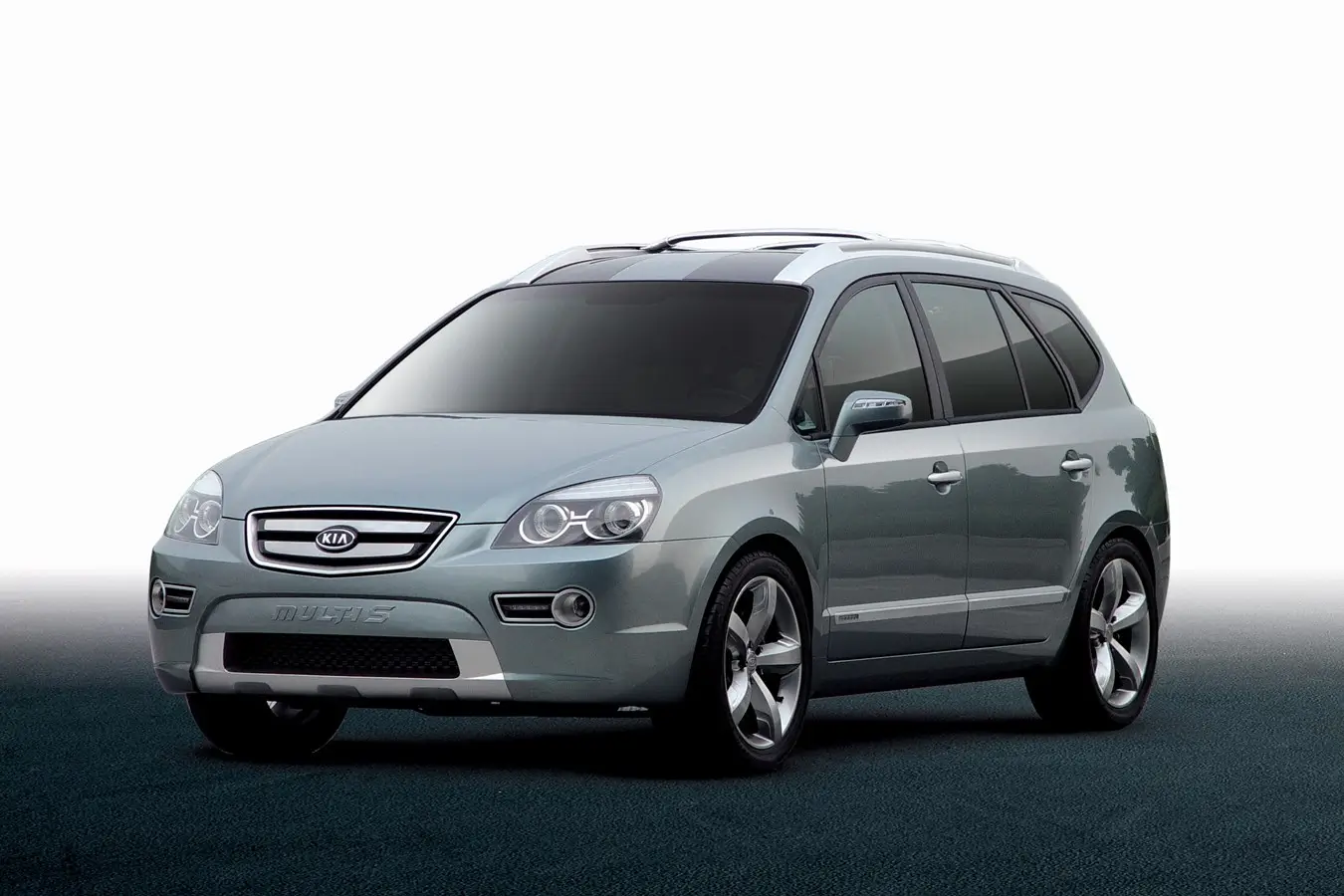
When the Multi-S debuted, it looked dramatically different from many family-oriented vehicles on the road. Rather than adopting the boxy appearance common among MPVs at the time, Kia gave the concept a low-profile stance with SUV-inspired proportions.
The front fascia featured aggressive headlamps and a wide grille treatment that hinted at Kia’s future design evolution. Meanwhile, large 19-inch alloy wheels added a more premium and athletic appearance. Even today, the silhouette still feels modern enough to blend into contemporary crossover traffic.
Unlike traditional people carriers that prioritized practicality over style, the Multi-S attempted to balance both. Its flowing roofline and sculpted body panels gave it a dynamic look without sacrificing passenger space.
In many ways, this concept previewed the direction the automotive industry would eventually take. Today’s three-row crossovers from multiple brands follow a similar formula: SUV styling mixed with family-friendly usability.
Interior Flexibility Was the Main Attraction
The cabin was arguably the Multi-S’s strongest feature. Kia designed it around real-world versatility instead of simply maximizing passenger numbers.
The three-row interior could accommodate up to seven passengers comfortably, which was impressive for a concept vehicle of that era. More importantly, the seating system was designed to adapt quickly for different situations.
Both the second and third rows could fold flat, creating a significantly larger cargo area when needed. This flexibility made the concept appealing for families, business users, and even outdoor travelers.
Additionally, Kia added numerous storage solutions throughout the cabin. Overhead compartments, integrated luggage areas, and clever organization spaces demonstrated that the company was paying close attention to daily usability.
One detail that stood out was the dual full-length glass roof system. It allowed more natural light into the cabin and created a more open atmosphere for passengers. Premium audio equipment and rear entertainment screens also helped position the Multi-S as a forward-thinking family vehicle rather than just a basic transporter.
I remember seeing early concept images of the Multi-S years ago, and even then, the cabin layout felt closer to modern crossovers than many production vehicles available at the time.
Powertrain and Engineering Approach
Kia equipped the Multi-S concept with a 2.7-liter V6 gasoline engine paired with a 5-speed automatic transmission. While the focus of the vehicle was practicality rather than outright speed, the V6 provided enough performance for highway driving and family travel.
However, Kia also designed the platform with flexibility in mind. The architecture could reportedly support a smaller 2.4-liter gasoline engine or a 2.0-liter turbo diesel powertrain depending on market demands.
That adaptability was important because crossover buyers often prioritize efficiency as much as performance. Kia clearly understood that future family vehicles would need multiple powertrain choices to appeal globally.
The concept also included several advanced technologies that were relatively impressive for 2005, including:
- Electronic Stability Control (ESC)
- Tire Pressure Monitoring System (TPMS)
- Adaptive front headlights
- Advanced infotainment connectivity
- Premium surround-sound audio system
These features reflected Kia’s growing ambition to compete with more established global manufacturers.
Why the Multi-S Was More Important Than People Realize
Although the Multi-S never entered production, its influence on future Kia models was substantial.
The concept helped Kia explore the idea of blending crossover utility with MPV practicality long before it became an industry trend. Later vehicles such as the Kia Carens and Kia Rondo adopted many of the same philosophies, especially regarding cabin flexibility and family-focused usability.
More importantly, the Multi-S represented a shift in Kia’s overall brand identity. During the early 2000s, Kia was still working to establish itself as more than a budget-oriented automaker. Concepts like the Multi-S demonstrated that the company was beginning to think creatively about design, technology, and customer lifestyle needs.
Today, when looking at modern Kia crossovers, you can still trace some of the Multi-S’s original DNA in the brand’s approach to spacious interiors and multifunctional design.
How the Kia Multi-S Compared to Similar Vehicles of Its Era
While several automakers experimented with crossover concepts during the mid-2000s, Kia’s approach focused more heavily on practical family versatility.
| Feature | Kia Multi-S | Typical MPV (2005 Era) | Traditional SUV (2005 Era) |
|---|---|---|---|
| Seating Capacity | 7 Passengers | 7 Passengers | 5–7 Passengers |
| Design Style | Sporty Crossover | Boxy Family Van | Rugged Utility |
| Interior Flexibility | Highly Configurable | Moderate | Limited |
| Ride Height | Balanced | Low | High |
| Family Technology | Advanced for its time | Basic | Moderate |
| Fuel Efficiency Focus | Moderate | Good | Lower |
| Urban Practicality | Excellent | Good | Average |
This balanced formula became increasingly valuable as consumer preferences shifted away from traditional minivans toward crossover vehicles.
A Practical Example of Its Everyday Appeal
Imagine a young family planning a weekend road trip in 2005. A traditional SUV offered cargo space but often lacked interior flexibility. On the other hand, a minivan provided practicality but didn’t appeal to drivers wanting a more stylish design.
The Multi-S attempted to solve both problems simultaneously.
Parents could fold the rear seats for luggage and sports equipment while still carrying additional passengers comfortably. Meanwhile, features like rear entertainment screens and the panoramic glass roof improved long-distance comfort for children and adults alike.
That combination of style and usability is precisely why crossover vehicles became dominant years later.
The Concept’s Lasting Legacy
The Kia Multi-S may have remained a concept, but its ideas were far ahead of their time. Instead of focusing solely on dramatic styling or unrealistic technology, Kia developed a vehicle centered around how people actually use their cars every day.
That practical philosophy eventually became one of Kia’s defining strengths as a global automaker.
Modern Kia vehicles now emphasize many of the same qualities first explored by the Multi-S: adaptable interiors, family-friendly technology, attractive styling, and efficient packaging. In that sense, the concept served as an important stepping stone in Kia’s transformation from an emerging manufacturer into a globally respected automotive brand.
Related: Kia Kue Overview
Conclusion
The Kia Multi-S stands as one of the company’s most underrated concept vehicles. Unveiled at the 2005 Frankfurt Motor Show, it successfully combined the functionality of an MPV, the styling of an SUV, and the versatility of a hatchback into one forward-thinking package.
Although it never reached production, the concept played a meaningful role in shaping Kia’s future crossover philosophy. Its spacious three-row layout, adaptable interior, advanced technology, and stylish design predicted many trends that dominate today’s automotive market.
More than two decades later, the Multi-S remains an excellent example of how concept vehicles can influence real-world automotive development long before consumers fully recognize the shift.
FAQs
What was the Kia Multi-S?
The Kia Multi-S was a crossover utility vehicle concept revealed at the 2005 Frankfurt Motor Show. It combined MPV practicality, SUV styling, and hatchback versatility into one design.
What did the “S” in Multi-S stand for?
The “S” represented Sporty, Spacious, and Smart, which reflected the vehicle’s overall design philosophy.
Did the Kia Multi-S ever go into production?
No, the Multi-S remained a concept vehicle and was never sold as a production model.
How many passengers could the Kia Multi-S seat?
The concept featured a three-row interior layout with seating for up to seven passengers.
Which Kia models were influenced by the Multi-S?
The design philosophy and versatility of the Multi-S influenced later Kia vehicles such as the Kia Carens and Kia Rondo.
What engine did the Kia Multi-S use?
The concept was powered by a 2.7-liter V6 gasoline engine paired with a 5-speed automatic transmission. Kia also designed the platform to support additional engine options.