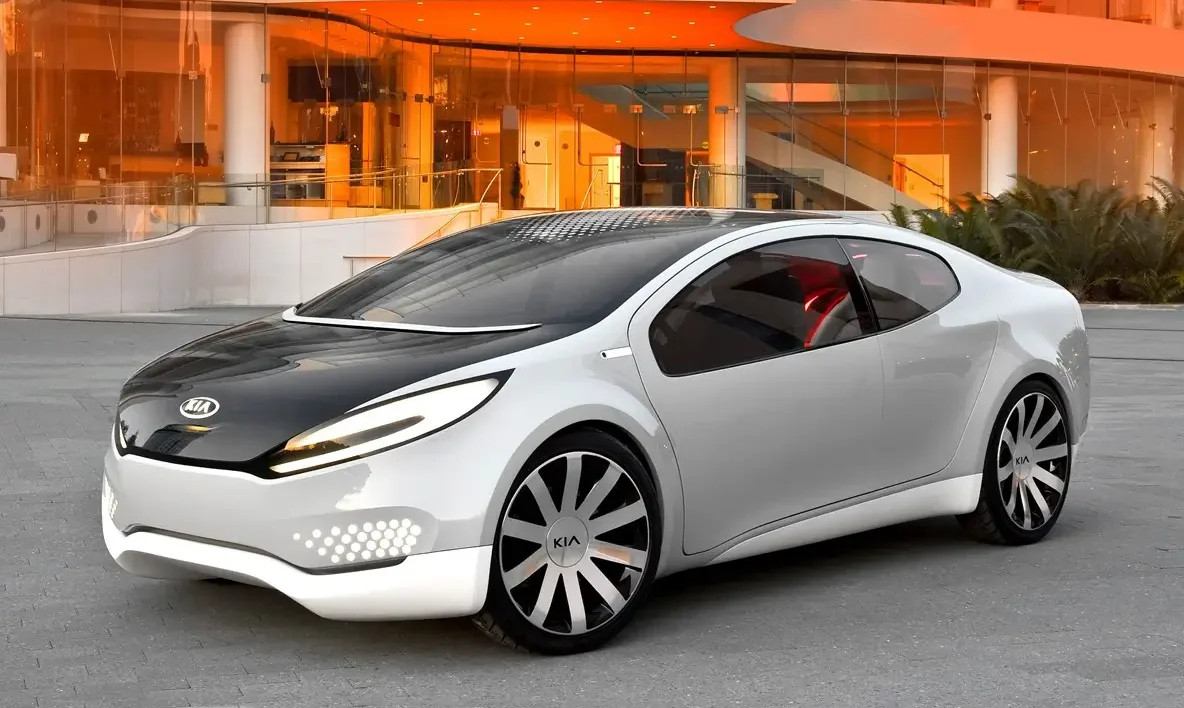
Finding a city car that combines compact dimensions with exceptional interior space is no easy task. The Kia Ray stands out by offering a creative approach to urban mobility, blending clever packaging, practical design, and efficient powertrains into one distinctive vehicle. Although it’s sold exclusively in South Korea, the model has attracted global attention because of its innovative layout and highly functional cabin.
Whether you’re curious about its unique sliding door, considering importing one, or simply exploring Kia’s lineup, this Kia Ray Overview covers everything you need to know—from its history and design to performance, interior versatility, and why it remains one of Kia’s most practical city cars.
What Is the Kia Ray?
The Kia Ray is a compact tall-boy hatchback introduced in 2011 for South Korea’s domestic market. Unlike traditional city cars that prioritize styling over practicality, this model was engineered around maximizing usable space within a very small footprint.
Its boxy silhouette may appear unconventional at first glance, but every design element serves a purpose. The high roof, upright seating position, and innovative passenger-side access create an interior that feels much larger than its exterior dimensions suggest.
Over the years, Kia has continuously updated the Ray with improved technology, refreshed styling, and more recently, an all-electric variant that further strengthens its appeal as an eco-friendly urban commuter.
A Design That Prioritizes Function
Rather than chasing sporty curves, the Ray embraces practicality.
At just 3,595 mm long, 1,595 mm wide, and 1,700 mm tall, it remains easy to maneuver through crowded city streets while offering headroom that rivals many compact crossovers.
One of its most recognizable features is the passenger-side B-pillarless layout. The front passenger door opens nearly 90 degrees, while the rear sliding door creates an unusually large opening. This makes entering the cabin significantly easier for children, elderly passengers, or anyone loading bulky items.
The squared-off proportions also increase cargo capacity without increasing the vehicle’s footprint—a thoughtful solution for urban living.
Spacious Interior That Defies Expectations
Step inside, and the biggest surprise becomes immediately obvious.
Despite its compact exterior, the cabin feels remarkably open thanks to the tall roofline and intelligently packaged interior.
Key highlights include:
- High seating position for better visibility
- Flexible seating arrangements
- Fold-flat front and rear seats
- Numerous storage compartments
- Excellent headroom for both rows
Many trims allow both front and rear seats to fold completely flat, creating impressive cargo flexibility for transporting furniture, camping equipment, bicycles, or business supplies.
After reviewing numerous compact city cars over the years, I’ve always found the Ray’s cabin layout to be one of Kia’s smartest packaging achievements because it delivers genuine everyday usability rather than simply maximizing specifications on paper.
Gasoline and Electric Powertrain Options
The Ray is available with two distinct powertrains, allowing buyers to choose between traditional efficiency and electric convenience.
Gasoline Model
The conventional version uses a 1.0-liter naturally aspirated three-cylinder gasoline engine producing approximately 76 horsepower.
Although performance isn’t designed for spirited driving, it provides enough power for:
- Daily commuting
- Urban traffic
- Short highway trips
- Low operating costs
Fuel economy remains one of its strongest advantages, making it an economical option for city residents.
Kia Ray EV
Kia later expanded the lineup by introducing the all-electric Ray EV.
Its latest version includes:
| Specification | Kia Ray EV |
|---|---|
| Battery | 35.2 kWh LFP |
| Power Output | 86 hp |
| Driving Range | Around 205 km (combined) |
| Fast Charging | 10%–80% in about 40 minutes |
The electric version focuses on short-distance commuting rather than long-range travel, making it particularly suitable for dense urban environments where charging infrastructure is readily available.
Technology That Supports Everyday Driving
The Ray isn’t intended to compete with luxury vehicles, yet it includes many convenience features expected in modern city transportation.
Depending on trim level, owners may enjoy:
- Digital instrument cluster
- Touchscreen infotainment
- Smartphone connectivity
- Automatic climate control
- Rear parking camera
- Parking sensors
- Heated seats
- Smart key with push-button start
Recent updates have modernized the dashboard considerably while maintaining straightforward controls that remain easy to operate during daily driving.
Safety Features
Although compact, the Ray incorporates numerous safety technologies designed to improve confidence behind the wheel.
Available equipment includes:
- Multiple airbags
- Electronic Stability Control
- Hill-start assist
- Anti-lock braking system
- Tire Pressure Monitoring System
- Autonomous Emergency Braking
- Lane Keeping Assist
- Forward Collision Avoidance Assist
These features help the Ray remain competitive despite its long production history.
Specifications at a Glance
| Feature | Kia Ray |
|---|---|
| Vehicle Type | Tall-boy city hatchback |
| Market | South Korea |
| Length | 3,595 mm |
| Width | 1,595 mm |
| Height | 1,700 mm |
| Seating Capacity | 4–5 passengers |
| Gasoline Engine | 1.0L 3-cylinder |
| EV Battery | 35.2 kWh LFP |
| EV Output | 86 hp |
| Fast Charging | Approximately 40 minutes (10–80%) |
How It Compares with Similar Urban Cars
For buyers researching compact city vehicles, the Ray occupies a unique niche.
| Feature | Kia Ray | Kia Picanto | Hyundai Casper |
|---|---|---|---|
| Body Style | Tall-box hatchback | Traditional hatchback | Micro SUV |
| Interior Space | Excellent | Moderate | Very Good |
| Sliding Rear Door | Yes | No | No |
| EV Version | Yes | No | Limited availability |
| Cargo Flexibility | Outstanding | Good | Very Good |
| Urban Maneuverability | Excellent | Excellent | Very Good |
While the Picanto emphasizes sporty city driving and the Casper leans toward crossover styling, the Ray focuses almost entirely on maximizing usable interior space. That practical philosophy makes it one of Kia’s most distinctive vehicles.
Why the Kia Ray Continues to Stand Out
Many compact cars promise efficiency, but few rethink how interior space should work.
Instead of making passengers adapt to a small vehicle, the Ray adapts the vehicle to everyday life. Its sliding door, tall roofline, fold-flat seating, and highly configurable cabin transform what could have been an ordinary city hatchback into something genuinely versatile.
This thoughtful design approach makes it equally attractive for:
- Small families
- Urban professionals
- Delivery businesses
- Elderly drivers
- Drivers with limited parking space
Rather than simply being another compact hatchback, it delivers functionality that’s difficult to replicate even in larger vehicles.
Everyday Practicality in Action
Imagine living in a busy metropolitan neighborhood where parking spaces are narrow and grocery shopping often requires carrying bulky household items.
A conventional hatchback might require multiple trips or awkward loading angles. The Ray’s wide passenger-side opening and flat-folding seats allow large boxes, bicycles, or even compact furniture to slide inside with surprisingly little effort. For many owners, that flexibility becomes one of the vehicle’s biggest daily advantages rather than an occasional convenience.
Is the Kia Ray Worth Considering?
If your priority is maximizing practicality without increasing vehicle size, the answer is yes.
Although it isn’t officially sold outside South Korea, the Ray has developed a loyal following among automotive enthusiasts because it solves everyday transportation challenges with thoughtful engineering instead of unnecessary complexity.
Its affordable operating costs, efficient engines, flexible interior, and now-electric option demonstrate how intelligent packaging can often matter more than outright performance.
Related: Kia PV5 Overview
Conclusion
The Kia Ray proves that smart engineering can redefine expectations for a city car. Its distinctive box-shaped design isn’t simply a styling choice, it’s the foundation of an exceptionally practical vehicle that delivers remarkable passenger comfort, cargo versatility, and urban usability.
Whether equipped with its economical gasoline engine or efficient electric powertrain, the Ray remains one of Kia’s most innovative domestic-market models. For drivers who value space, accessibility, and everyday convenience above flashy styling, this compact hatchback offers a refreshing alternative that continues to impress more than a decade after its debut.
FAQs
Is the Kia Ray available outside South Korea?
No. The Kia Ray is officially sold only in South Korea, although some examples are imported into other countries through independent dealers.
Does the Kia Ray have an electric version?
Yes. The latest Ray EV uses a 35.2 kWh LFP battery and offers an estimated combined driving range of around 205 km.
What engine does the gasoline Kia Ray use?
Most gasoline models are powered by a 1.0-liter naturally aspirated three-cylinder engine producing approximately 76 horsepower.
Why is the Kia Ray different from other city cars?
Its tall roofline, B-pillarless passenger-side opening, sliding rear door, and highly flexible seating configuration provide interior practicality that few competitors can match.
Is the Kia Ray suitable for families?
Yes. Small families, senior citizens, and urban commuters often appreciate its easy cabin access, spacious interior, and flexible cargo arrangements.
Can the seats fold completely flat?
Yes. Many trims allow both the front and rear seats to fold flat, creating impressive cargo space for transporting larger items.