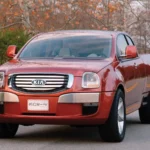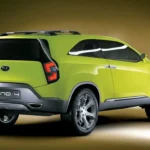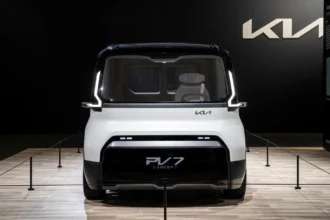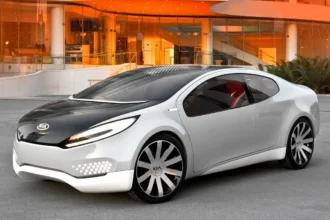
Before Kia became globally recognized for bold styling and premium-inspired vehicles, the brand faced a major challenge: standing out in a crowded automotive market. In the mid-2000s, Kia was still largely associated with affordability rather than emotional design or driving excitement. That perception began to change dramatically with the arrival of the Kia Kee concept in 2007.
Unveiled at the Frankfurt Motor Show, the Kee wasn’t simply another futuristic show car designed to grab headlines for a few weeks. It represented a complete design reset for Kia. More importantly, it introduced the now-famous “tiger nose” grille — a styling cue that would eventually define the identity of nearly every modern Kia model.
Even years later, the Kia Kee remains one of the brand’s most influential concepts because it marked the moment Kia began evolving from a budget-focused automaker into a company known for stylish, emotionally appealing vehicles.
The Concept That Changed Kia’s Direction
The Kee concept arrived during a period when automakers were aggressively experimenting with sporty coupe designs. Kia needed something memorable, something capable of reshaping public perception almost overnight.
That responsibility fell largely to renowned automotive designer Peter Schreyer, who had recently joined Kia after building a strong reputation in European automotive design. His mission was clear: create a vehicle that gave Kia a recognizable visual identity.
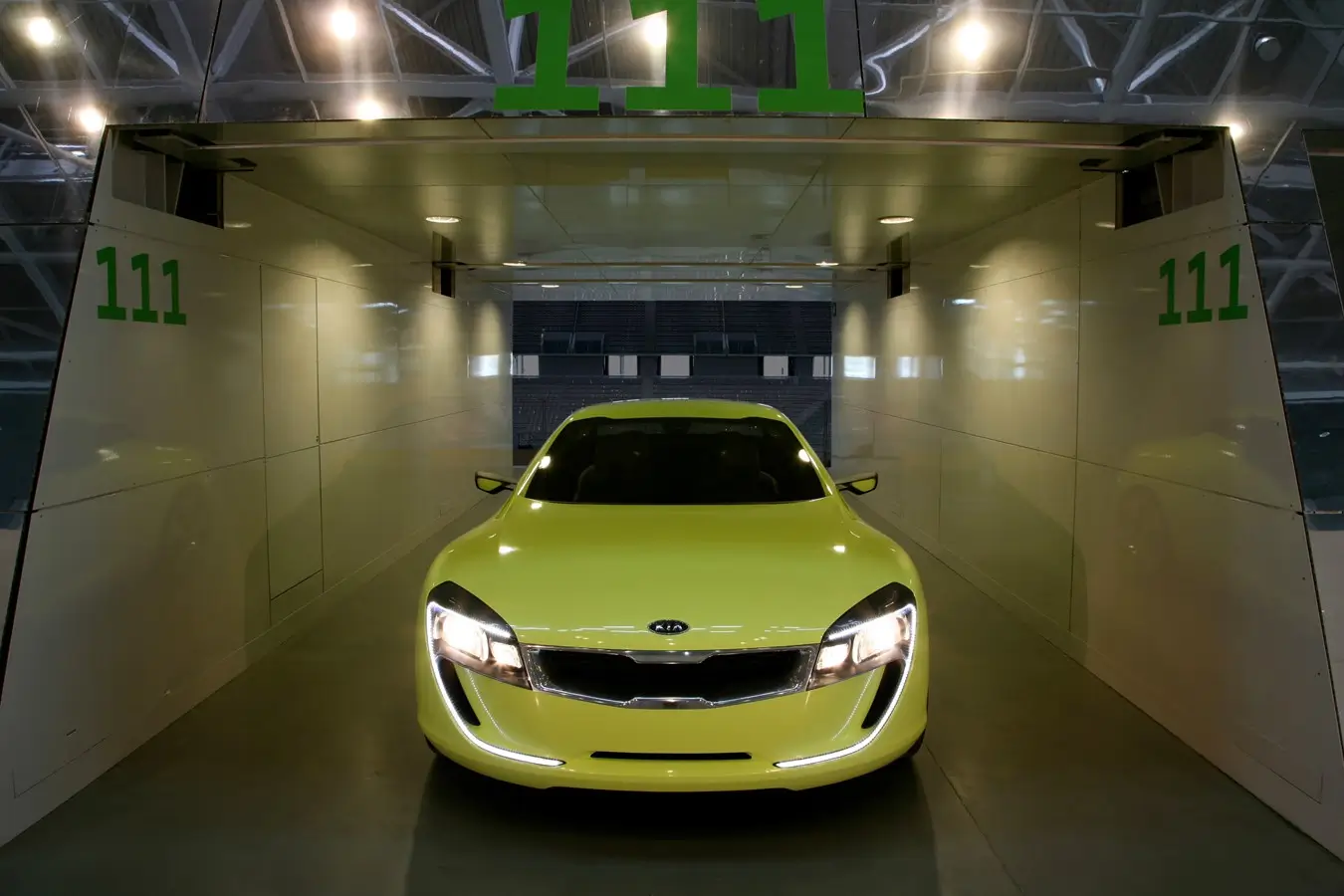
The result was the Kee — a low-slung 2+2 sports coupe with sharp proportions, muscular fenders, aggressive lighting, and clean body surfaces. Unlike some overly exaggerated concept cars of the era, the Kee looked realistic enough to inspire future production models.
Most importantly, it introduced the “tiger nose” grille, a feature that quickly became the signature face of Kia vehicles worldwide.
Today, that grille design is instantly recognizable, but the Kee was where it all began.
Exterior Design That Still Feels Modern
One reason the Kia Kee concept still receives attention today is because its styling aged remarkably well.
The coupe featured a long hood, short rear deck, wide stance, and flowing roofline that gave it genuine sports car proportions. Large 20-inch wheels added an aggressive presence without making the design feel overly futuristic.
The front fascia became the star of the show thanks to the newly introduced tiger nose grille. Rather than relying on excessive chrome or complicated detailing, the grille created a clean and confident identity that balanced elegance with aggression.
Slim headlights, sculpted air intakes, and subtle aerodynamic shaping further reinforced the sporty personality of the concept.
From certain angles, the Kee almost resembled a premium European grand tourer rather than a traditional Kia concept. That alone demonstrated how dramatically the company’s design philosophy was evolving.
Performance and Powertrain Details
Although the Kee focused heavily on design innovation, Kia also gave the concept respectable performance credentials.
The coupe was powered by a V6 engine, with most reports referencing either a 2.0-liter turbocharged setup or a 2.7-liter V6 producing around 200 horsepower. Power was paired with a six-speed automatic transmission driving the rear wheels.
At the time, rear-wheel-drive architecture added credibility to the concept because it aligned the Kee with genuine sports coupe dynamics rather than economy-focused front-wheel-drive platforms.
While Kia never released full production specifications, the Kee clearly aimed to demonstrate that the company could design vehicles with emotional appeal and engaging performance characteristics.
Compared with many compact coupes of the late 2000s, the Kee felt more refined and upscale in both appearance and philosophy.
A Driver-Focused Interior Experience
Inside the cabin, Kia continued the futuristic yet realistic approach.
The interior featured a 2+2 seating layout with a cockpit-inspired dashboard designed around the driver. The center console angled slightly toward the driver’s seat, creating a more engaging and performance-oriented atmosphere.
One of the most talked-about details was the unusual mouse-inspired gear selector, which added a modern technological feel to the cabin. Kia also incorporated a vibrant red-orange engine start button and premium materials throughout the interior.
Unlike many concept cars that prioritize extreme experimentation over usability, the Kee’s cabin felt surprisingly practical. The controls appeared intuitive, the seating layout realistic, and the design cohesive.
I still remember how surprising the Kee looked when compared to other Kia vehicles from that era. It genuinely felt like the company had skipped several generations of design evolution overnight.
How the Kia Kee Compared to Other Sport Coupes
When the Kee debuted, several automakers were already competing in the affordable sports coupe segment. However, Kia approached the category differently by focusing equally on emotional styling and brand transformation.
| Feature | Kia Kee Concept | Hyundai Coupe/Tiburon | Audi TT (2007) |
|---|---|---|---|
| Vehicle Type | 2+2 Sports Coupe Concept | Production Coupe | Premium Sports Coupe |
| Design Focus | Emotional styling | Affordable sportiness | Luxury performance |
| Signature Feature | Tiger nose grille | Curved body styling | Iconic rounded silhouette |
| Drivetrain | Rear-wheel drive concept | Front-wheel drive | AWD available |
| Interior Theme | Driver-focused futuristic cabin | Conventional sporty cabin | Premium minimalist design |
This comparison highlights why the Kee mattered so much. Kia wasn’t merely trying to copy existing coupes — it was attempting to establish an entirely new design identity.
Influence on Future Kia Models
Although the Kee never entered production, its influence spread across Kia’s lineup almost immediately.
The tiger nose grille became a defining characteristic of future models including the Forte, Optima, Sportage, and Stinger. Beyond the grille itself, the Kee inspired Kia’s broader design philosophy centered around cleaner surfaces, sportier proportions, and more emotional styling.
A real-world example of its impact can be seen in the first-generation Kia Forte Koup. That production model borrowed much of the Kee’s sporty attitude and helped attract younger buyers looking for stylish alternatives to traditional compact cars.
The concept also helped reposition Kia in markets like North America and Europe, where design perception heavily influences buying decisions.
Without the Kee, Kia’s transformation into a globally respected design-focused brand may have taken much longer.
Why the Kee Became a Turning Point
The most important aspect of the Kia Kee wasn’t horsepower or futuristic technology — it was confidence.
Before the Kee, Kia vehicles were often viewed as sensible transportation choices. After the Kee, consumers and industry experts began recognizing that Kia could create emotionally engaging vehicles with strong visual identities.
That shift changed the trajectory of the entire company.
The Kee demonstrated that design could become Kia’s competitive advantage rather than simply an afterthought. In many ways, modern vehicles like the Kia Stinger and EV6 owe part of their visual DNA to this groundbreaking concept.
Related: Kia KCV4 Mojave Overview
Conclusion
The Kia Kee concept remains one of the most important vehicles in Kia’s history because it introduced the styling philosophy that transformed the brand’s global image. With its sleek coupe proportions, driver-focused interior, rear-wheel-drive layout, and iconic tiger nose grille, the Kee represented a bold new direction that Kia continues to build upon today.
Although it never reached production, the concept achieved something arguably more valuable: it redefined how people viewed Kia as an automaker.
Looking back, the Kee wasn’t simply a concept car displayed under bright auto show lights. It was the foundation of Kia’s modern identity and the beginning of the company’s rise as a design leader in the automotive world.
FAQs
What is the Kia Kee?
The Kia Kee is a sports coupe concept car unveiled at the 2007 Frankfurt Motor Show. It introduced Kia’s signature tiger nose grille and previewed the brand’s future design direction.
Who designed the Kia Kee?
The concept was designed under the leadership of Peter Schreyer, who played a major role in transforming Kia’s styling philosophy.
Did the Kia Kee enter production?
No, the Kee remained a concept vehicle. However, many of its design elements later appeared in production Kia models.
What engine did the Kia Kee use?
The concept reportedly used either a 2.0-liter or 2.7-liter V6 engine producing approximately 200 horsepower paired with a six-speed automatic transmission.
Why is the Kia Kee important?
The Kee introduced the tiger nose grille and helped reposition Kia as a design-focused automaker known for stylish and emotionally engaging vehicles.