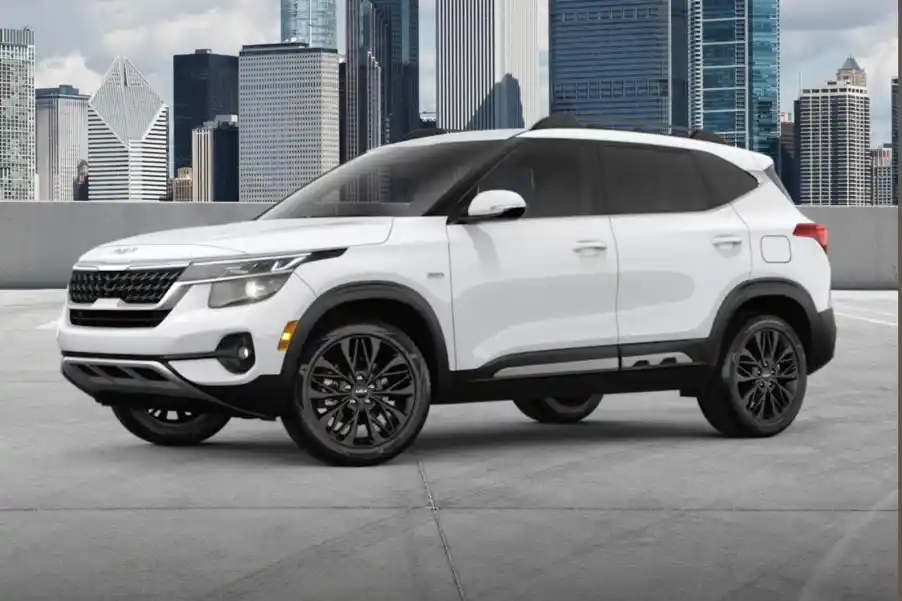
When I financed my first Kia Sportage, I had two choices go with Kia Finance or take a loan from my local bank. On paper, both options seemed similar, but the real difference showed up in the details: interest rates, promotions, and hidden terms that most people overlook.
If you’re planning to buy or refinance a Kia in 2025, understanding how Kia Finance and bank loans compare can literally save you hundreds maybe thousands over the life of your loan.
Let’s break it down clearly, based on real-world experience and what’s changing in the car-finance world this year.
How Kia Finance Works in 2025
Kia Finance (officially Kia Motors Finance or KMFUSA) is Kia’s own financial arm. Instead of working through a third-party lender, you apply directly for financing or leasing through Kia’s dealership network or online portal.
The process is simple:
- Apply for financing online or at the dealership.
- Kia checks your credit and offers you rates and terms based on your profile.
- Choose your loan or lease plan (24-72 months typical).
- Make payments via auto-pay, phone, or online.
Why people like Kia Finance:
- Manufacturer-backed reliability.
- Access to exclusive deals (0% APR, cashback offers).
- Easier coordination between loan, warranty, and vehicle service.
When I compared rates last year, Kia Finance offered 3.9% APR and a $750 rebate, while my credit union quoted 4.6%. The rebate alone made Kia Finance the smarter deal — even though the APR was only slightly better.
How Bank or Credit-Union Auto Loans Work
Bank loans and credit-union financing are independent meaning they’re not tied to the car manufacturer. You apply separately, get pre-approved, and take that approval to the dealership when you buy.
Benefits of going with a bank or credit union:
- They often finance used vehicles or older models that Kia Finance may not cover.
- You might qualify for relationship discounts if you already bank there.
- They can be more flexible with credit score requirements.
However, they rarely offer manufacturer incentives like Kia’s promotional APRs or loyalty programs.
In my experience, my local bank gave me more flexible payment terms but required a higher down payment 15% compared to Kia’s 10%.
Kia Finance vs Bank Loans: Side-by-Side Comparison
| Feature | Kia Finance | Bank / Credit Union |
|---|---|---|
| Interest Rate (2025 avg.) | 0%–6.5% (promotional rates available) | 4%–8% (varies by credit) |
| Special Offers | Cashback, loyalty rebates, bonus APR | Rarely any |
| Credit Score Flexibility | Moderate – favors higher credit | More flexible for borderline credit |
| Used Car Financing | Limited to Certified Pre-Owned (CPO) | Available for most used cars |
| Application Process | Through dealer or KiaFinance.com | Online or in-person |
| Customer Service | Manufacturer-backed | Bank-specific |
| Extra Perks | Lease-end support, payment deferment | None |
Quick Verdict:
- Kia Finance wins if you’re buying new or certified-used Kia models and qualify for promo rates.
- Banks win for used cars or when you need more customized repayment options.
Which One Is Cheaper in 2025?
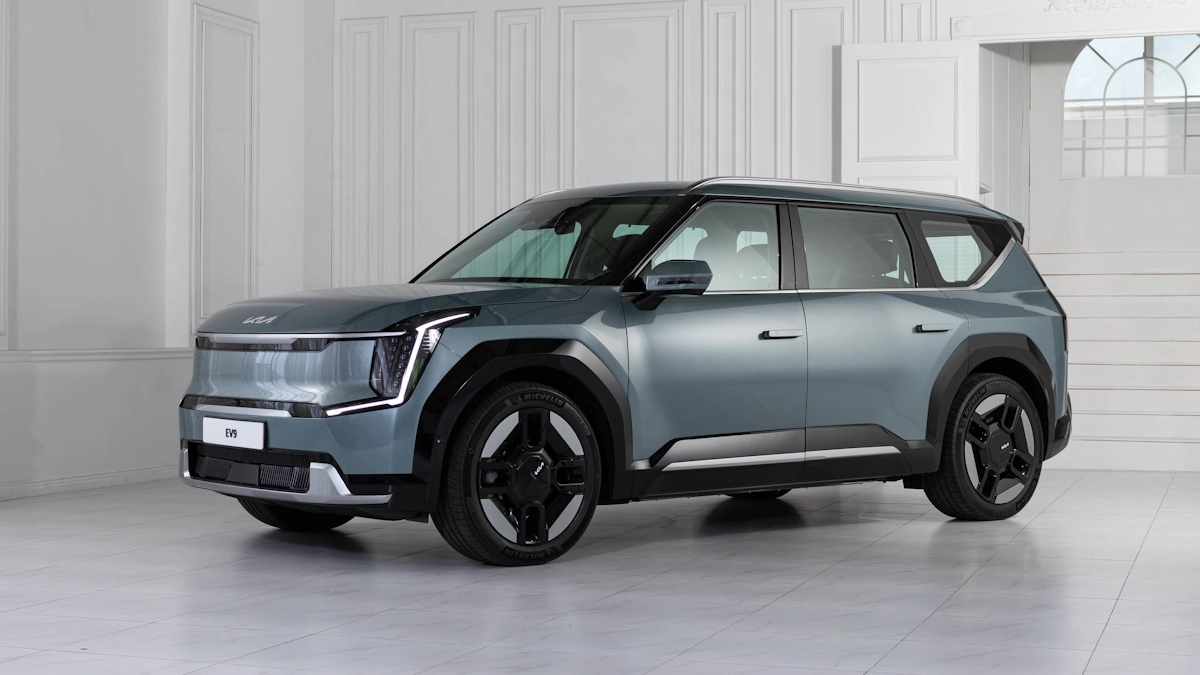
In 2025, the auto-loan landscape is shifting. Kia Finance is focusing heavily on low-APR promotions for new EV models like the EV6 and EV9. Some buyers are even seeing 0% for 36 months deals on select trims.
Banks, on the other hand, are tightening rates slightly most auto loans hover around 5.5%–7% unless you have exceptional credit.
Here’s a simple example based on real loan calculations:
| Example Vehicle | Loan Amount | Loan Term | Kia Finance (3.9%) | Bank Loan (5.9%) |
|---|---|---|---|---|
| 2025 Kia Sorento | $30,000 | 60 months | $552/month | $580/month |
| Savings over 5 years | ≈ $1,680 saved with Kia Finance |
So yes, Kia Finance usually wins on total cost when promotional rates apply.
Hidden Costs You Need to Watch Out For
Here’s where things get tricky. Many buyers only look at APR, but hidden add-ons can quickly eat your savings.
1. Dealer Add-Ons and Bundled Extras
Some dealerships automatically include GAP insurance, tire protection, or extended warranties into your Kia Finance package.
Always ask for the “loan amount before add-ons” and review line-by-line.
2. Early Payoff or Lease-End Fees
If you lease through Kia Finance, ending early can trigger termination charges or mileage penalties.
For bank loans, early payoffs are usually free, but not all banks are transparent about payoff timelines.
3. Deferred Payment Programs
Kia Finance sometimes offers “Skip-A-Payment” promotions convenient but remember, interest still accrues during skipped months.
Credit Score Requirements: Kia Finance vs Bank
Based on current 2025 data:
- Kia Finance prefers borrowers with 650+ credit scores for low-APR promos.
- Banks/Credit Unions often work with 580+ and offer subprime programs.
If your score is below 600, you might still get approved with Kia, but the rate could climb to 9%+.
In that case, it’s smarter to start with your credit union for a more flexible rate.
My Personal Experience & Advice
When I financed my Kia Forte, Kia Finance offered me 4.1% APR, not the lowest, but they included three months of deferred payments and a $500 loyalty rebate because I traded in an older Kia.
Later, when I refinanced that same car through my credit union, the APR dropped to 3.7%, but I lost the dealer incentives and free maintenance.
The lesson? Kia Finance wins upfront, banks can win long-term if you plan to refinance later.
Two Insider Tips Most Buyers Miss
1. Ask for a “Rate Lock”
When you’re pre-approved, insist on getting a written confirmation of your APR.
Dealership systems occasionally “update” rates mid-process — a locked quote protects you from that.
2. Compare Total Loan Cost, Not Just APR
Plug both offers into your payment calculator.
A 0.5% rate difference may sound small but could mean $700–$1,000 over 5 years.
You can even use your site’s Kia Finance Calculator to compare scenarios.
When to Choose Kia Finance
- You’re buying a new Kia model (Telluride, Sportage, EV6, EV9).
- You qualify for promotional APR or cash-back offers.
- You want everything (loan, warranty, payments) in one portal.
When to Choose a Bank Loan
- You’re buying a used Kia from a non-dealer source.
- You prefer flexibility and plan to refinance or pay off early.
- You have average or rebuilding credit and want broader approval chances.
You might also like:
Conclusion
In 2025, both Kia Finance and bank loans can make sense, it all depends on your credit profile and the car you’re buying.
If you value convenience, rebates, and low-APR promotions, Kia Finance often wins.
If you prefer freedom, flexibility, or are buying used, a bank or credit-union loan could save you more in the long run.
My honest take: Apply for both before you buy, then use whichever gives you the lowest total cost, not just the lowest monthly payment.
That one extra comparison step could be the difference between paying $28,000 or $29,500 for the same Kia.
Frequently Asked Questions
1. Is Kia Finance cheaper than a bank loan?
In many cases, yes. Kia Finance often offers 0% or low-APR promotions and cashback deals on new Kia vehicles, especially during special events or model-year clearances. However, banks and credit unions can sometimes provide lower rates for used cars or refinance options, depending on your credit score.
2. Does Kia Finance require a good credit score?
Kia Finance typically prefers a credit score of 650 or higher for its best rates. Buyers with lower scores may still qualify but will face higher interest rates or larger down payments. Banks and credit unions tend to be more flexible for those with average or fair credit.
3. Can I refinance my Kia Finance loan through a bank?
Yes. Once you’ve made several on-time payments, you can refinance through your bank or credit union to lower your APR or monthly payment. Many Kia owners refinance after 12–18 months when their credit has improved.
4. Are there hidden fees with Kia Finance?
Kia Finance doesn’t charge hidden “junk” fees, but buyers should be aware of dealer add-ons, extended warranty costs, and interest accrual if using deferred payment programs. Always review your contract’s “loan amount before add-ons” to understand the real total.
5. Which option is better for buying a used Kia?
If you’re buying a Certified Pre-Owned Kia (CPO), Kia Finance may still offer promotional rates.
However, if the car is older or bought from a non-Kia dealer, a bank or credit-union loan usually provides better flexibility and approval odds.