Electric pickup trucks have moved well beyond the “future concept” phase. What was once viewed as a luxury experiment or lifestyle statement is now becoming a legitimate alternative to gas-powered work trucks. Established automakers are electrifying their most trusted nameplates, while newer brands are reimagining what a pickup can be when freed from the limits of internal combustion. The result is a fast-growing segment that blends utility, performance, and technology in ways traditional trucks never could.
What makes this transition especially significant is that pickup buyers are among the most demanding in the automotive market. They care about towing, durability, reliability, and long-term ownership costs. Electric pickups are no longer trying to win people over with novelty alone—they are competing on real capability.
How Electric Pickup Trucks Differ at a Fundamental Level
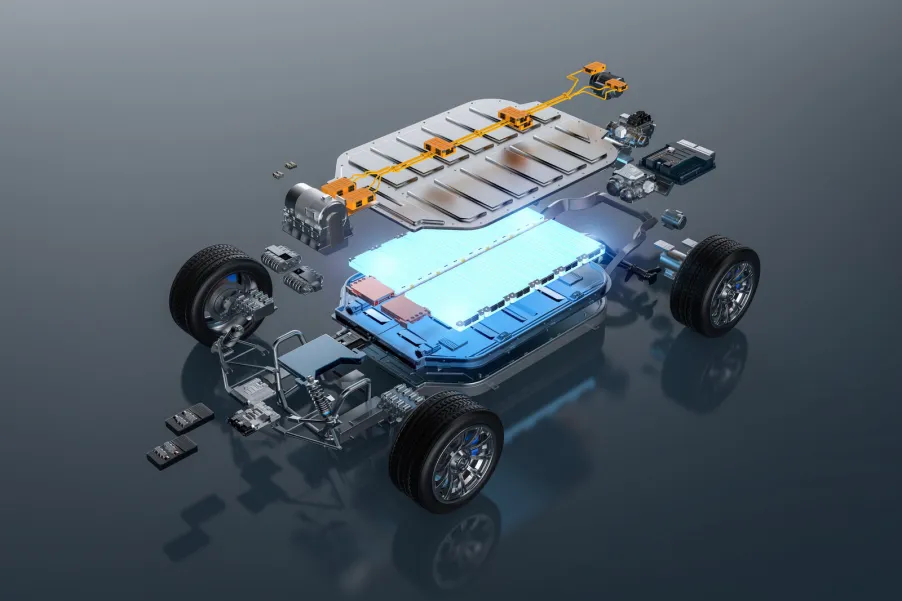
At a mechanical level, electric pickups operate very differently from their gasoline counterparts. Large battery packs are mounted low in the chassis, lowering the center of gravity and improving stability. Electric motors deliver instant torque, which is particularly valuable when launching heavy loads or navigating uneven terrain.
Without multi-speed transmissions or complex drivetrains, power delivery feels smooth and immediate. At the same time, this architecture introduces new considerations, especially around energy use under load and charging logistics.
Current Leaders in the Electric Pickup Market
Several models have emerged as benchmarks, each approaching the segment from a slightly different angle.
Ford F-150 Lightning builds on decades of F-Series trust. It retains the familiar shape and work-focused interior of the traditional F-150 while adding electric advantages. One of its most practical features is bi-directional power, which allows the truck to run tools, job sites, or even supply electricity to a home during outages.
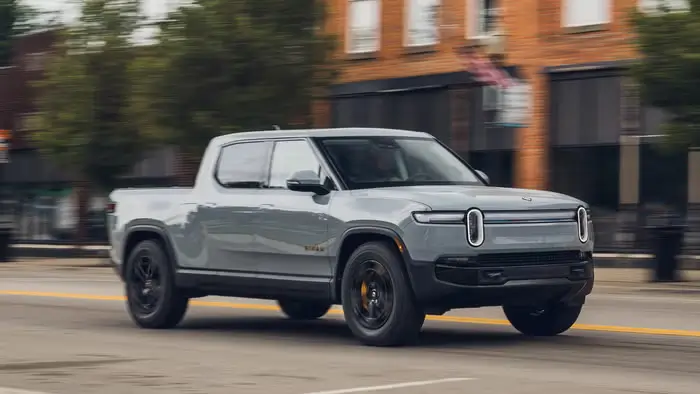
Rivian R1T takes a more lifestyle-oriented approach. Its unique gear tunnel storage, air suspension, and strong off-road credentials appeal to buyers who want adventure capability alongside daily usability. With range figures exceeding 400 miles in certain configurations, it pushes expectations for what an electric truck can achieve.
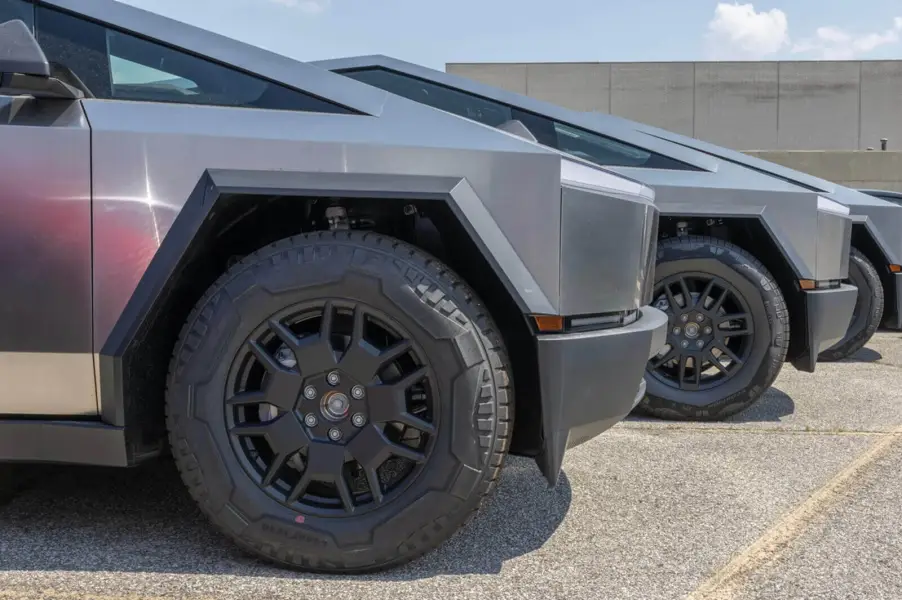
Tesla Cybertruck is easily the most polarizing entry. Its stainless-steel exoskeleton and angular design break every convention, yet underneath the styling lies serious performance, including towing capacity up to 11,000 pounds and impressive straight-line acceleration.
Chevrolet Silverado EV focuses on scale and flexibility. Built on General Motors’ Ultium platform, it leads the segment in maximum driving range and introduces the Multi-Flex Midgate, allowing the bed to extend into the cabin for hauling longer items.
At the extreme end sits the GMC Hummer EV, a super-sized electric truck emphasizing power and off-road technology. Features like CrabWalk, which enables diagonal movement, highlight how electrification can unlock entirely new capabilities rather than simply replacing gasoline engines.
Comparing Capability Across Leading Models
| Model | Max Range (est.) | Notable Strength | Ideal Buyer |
|---|---|---|---|
| Ford F-150 Lightning | Up to 320 miles | Powering tools and homes | Traditional truck owners |
| Rivian R1T | Up to 410 miles | Off-road versatility | Outdoor lifestyle users |
| Tesla Cybertruck | ~340 miles | High towing and durability | Tech-forward buyers |
| Silverado EV | Up to 492 miles | Long-range hauling | Fleet and utility users |
| GMC Hummer EV | ~350 miles | Extreme off-road features | Performance-focused owners |
This comparison shows that electric pickups are no longer one-size-fits-all. Buyers can now choose based on use case rather than simply accepting early limitations.
Towing, Range, and the Reality of Work Use
One of the most important realities of electric pickup ownership is how towing affects driving range. Pulling heavy trailers can reduce range by as much as 40–50 percent, depending on load weight, speed, and terrain. For local job sites or recreational towing, this is manageable. For long-haul towing, it requires careful planning.
That said, electric trucks excel in short-distance work cycles. Construction crews, utility fleets, and contractors who return to a central location daily can take advantage of overnight charging and reduced fuel costs. Instant torque also makes tasks like launching boats or maneuvering trailers noticeably easier.
Charging Infrastructure and Time Considerations
Large battery packs mean longer charging times, but technology is improving quickly. Some newer electric trucks can add around 100 miles of range in roughly 10 minutes when connected to high-output DC fast chargers. Still, charging infrastructure remains uneven, especially in rural or remote work areas.
For many owners, home or depot charging is the key enabler. Plugging in overnight replaces gas station visits entirely, a shift that changes daily routines more than most buyers initially expect.
I remember watching a neighbor power an entire backyard construction project straight from his electric truck’s outlets, and it completely reframed how I thought about pickups as mobile tools.
Pricing and Total Ownership Costs
Upfront pricing remains one of the biggest barriers. Entry-level trims typically start around the mid-$50,000 range, while fully loaded performance versions can exceed $100,000. However, operating costs often tell a different story.
Electric pickups generally cost less to maintain due to fewer moving parts and no oil changes. Electricity is also more price-stable than gasoline or diesel in many regions. Over several years of ownership, these savings can partially offset higher purchase prices, especially for high-mileage users.
What’s Coming Next in the Electric Pickup Segment
The next few years will broaden the market significantly. Volkswagen-backed Scout plans to introduce the Terra, a rugged off-road-focused electric truck aimed squarely at American buyers. Ford’s next-generation “Project T3” is expected to rethink aerodynamics and efficiency from the ground up.
Perhaps most transformative are efforts to create affordable electric pickups. Startups targeting simpler designs and smaller batteries aim to bring prices down toward the mid-$20,000 range by the latter half of the decade, potentially opening the segment to an entirely new audience.
The Practical Value That Sets Electric Pickups Apart
Beyond specs and headlines, the strongest advantage of electric pickup trucks lies in versatility. They are quieter on job sites, capable of powering equipment directly, and easier to maneuver thanks to precise torque control. They also integrate seamlessly with modern software ecosystems, enabling remote monitoring, updates, and fleet management tools.
For buyers who don’t need to tow long distances daily, the benefits often outweigh the trade-offs. Instead of compromising capability, electrification reshapes how that capability is delivered.
Related: The Cheapest 2026 EV: Still $10,000 Too Expensive
Conclusion
Electric pickup trucks have crossed an important threshold. They are no longer experimental vehicles designed to prove a point—they are functional, capable machines that can replace gasoline trucks for many real-world uses. While challenges around towing range, charging access, and pricing remain, the pace of improvement is rapid. As more models arrive and infrastructure expands, electric pickups are poised to become a permanent and influential part of the truck market.
FAQs
Are electric pickup trucks suitable for work use?
Yes, especially for local and regional work where overnight charging is possible and heavy towing is occasional rather than constant.
How much range do electric trucks lose when towing?
Range reductions of up to 50% are common when towing heavy loads, depending on conditions.
Can electric pickups power tools and equipment?
Many models offer built-in outlets capable of running tools, appliances, or even supplying emergency home power.
Are electric trucks more expensive to maintain?
Typically no. Maintenance costs are often lower due to fewer mechanical components and reduced wear items.
Will there be more affordable electric pickups soon?
Yes. Several manufacturers and startups are targeting lower-priced models between 2026 and 2028.