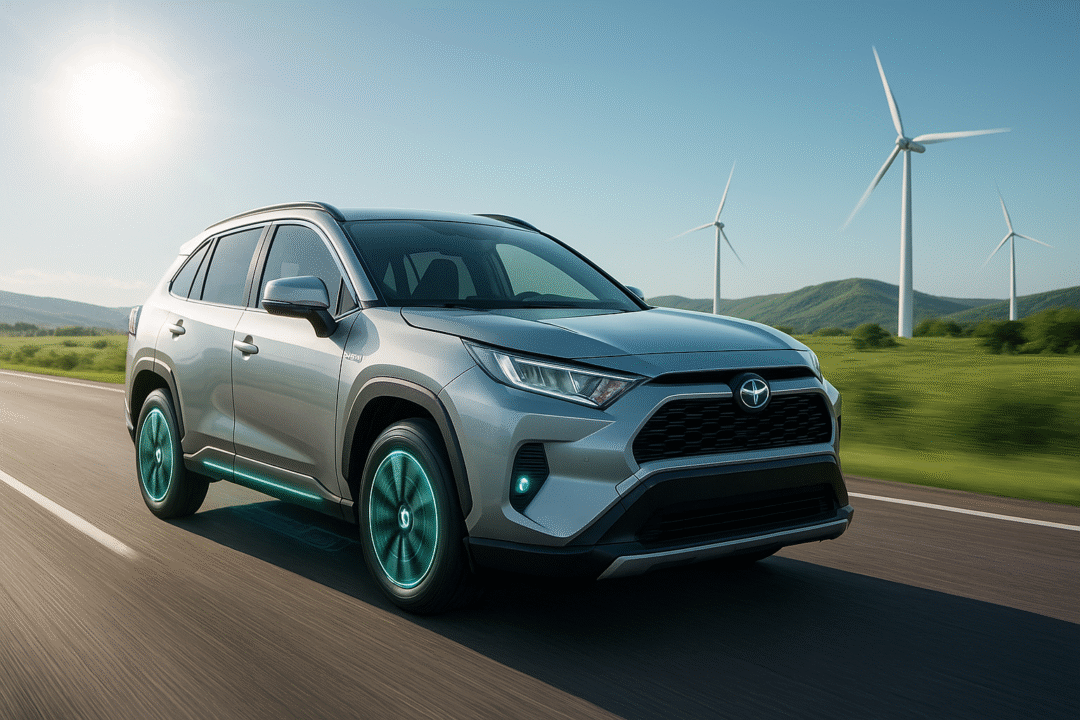
Hybrid vehicles have emerged as one of the most balanced solutions in the modern automotive landscape. As fuel prices fluctuate, emissions standards tighten, and electric vehicles continue to evolve, many drivers find themselves seeking an option that delivers better efficiency without demanding drastic lifestyle changes. Hybrid technology answers that need by blending familiar gasoline power with electric assistance in a way that feels intuitive, reliable, and immediately beneficial.
Rather than representing a temporary trend, hybrids have matured into a proven category that fits real driving conditions across the United States. They reduce fuel consumption, lower emissions, and maintain the convenience drivers expect, making them a compelling choice for individuals and families alike.
How Hybrid Vehicles Operate in Everyday Driving
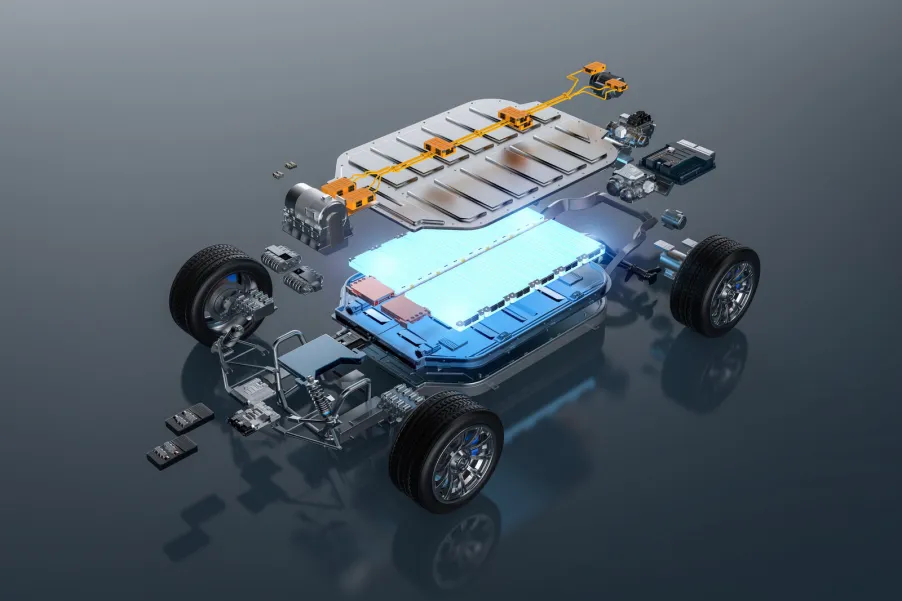
Hybrid vehicles use a combination of a gasoline engine, one or more electric motors, and a battery pack managed by intelligent software. The system continuously decides how to power the vehicle based on speed, load, and driving conditions. At low speeds or during gentle acceleration, electric power often takes the lead. During highway cruising or heavier acceleration, the gasoline engine provides sustained output.
One of the most effective features is regenerative braking. When the driver slows down, energy that would normally be lost as heat is captured and stored in the battery. This recovered energy is later reused to assist acceleration or power accessories. The driver does not need to intervene; the system works automatically, improving efficiency without altering driving habits.
Why Hybrid Vehicles Function as a Bridge Technology
Hybrid vehicles serve as a natural transition between conventional internal combustion vehicles and fully electric models. They allow drivers to benefit from electrification without concerns about charging infrastructure or limited range.
Unlike battery-electric vehicles, hybrids do not depend on public charging stations for daily usability. Long-distance travel remains as simple as refueling at any gas station, eliminating range anxiety. At the same time, hybrids deliver meaningful reductions in fuel consumption and tailpipe emissions compared to gasoline-only vehicles, offering immediate environmental advantages.
This balance is especially important in regions where charging access is still developing or for drivers who regularly take long road trips. Hybrids provide progress without compromise.
Variations in Hybrid Technology
Hybrid systems are not one-size-fits-all. Different designs cater to different driving patterns and priorities.
Some systems use a small electric motor to assist the engine during acceleration and smooth stop-start operation. Others allow the vehicle to drive short distances on electric power alone, particularly in city traffic. Plug-in hybrids expand this capability further by offering a larger battery that can be charged externally, enabling many daily trips to be completed without using gasoline at all.
The practical differences become clearer when comparing how they perform in everyday use:
| Hybrid System Type | Typical Driving Experience | Best Fit For |
|---|---|---|
| Mild hybrid | Feels nearly identical to a gas vehicle | Highway-heavy drivers |
| Full hybrid | Frequent engine shutoff in city traffic | Urban and suburban commuters |
| Plug-in hybrid | Short trips can be mostly electric | Drivers with home charging access |
Choosing the right configuration depends less on technology labels and more on how and where the vehicle is driven.
Fuel Efficiency and Total Cost of Ownership
In daily driving, hybrid vehicles often deliver fuel economy figures that are significantly higher than comparable gasoline models, particularly in stop-and-go conditions. Many owners see combined efficiency in the range of 40 to 60 miles per gallon, depending on vehicle size and driving style.
Operating costs tend to be lower as well. Regenerative braking reduces wear on brake components, and the electric motor handles much of the low-speed work that typically stresses an engine. Over time, this can translate into fewer maintenance expenses and smoother long-term ownership.
During a week of commuting through dense traffic, I personally noticed that a hybrid required far fewer fuel stops than expected, even without changing my driving style. That kind of passive efficiency is one of the technology’s strongest advantages.
Ownership Considerations and Trade-Offs
While hybrid vehicles offer many benefits, they are not without considerations. Purchase prices are generally higher than equivalent gasoline vehicles, reflecting the added components and technology. Mechanical complexity is also greater, which can lead to higher repair costs outside of warranty periods.
However, modern hybrid systems are engineered for durability and are often supported by extended manufacturer warranties, particularly for battery components. For many drivers, fuel savings and reduced wear offset the higher upfront investment over time.
Cargo space and towing capacity can vary by model due to battery placement, making it important for buyers to evaluate specifications carefully if those factors are priorities.
Hybrid Vehicles in Everyday Life
Consider a household with a daily commute, school drop-offs, weekend errands, and occasional long road trips. A hybrid vehicle can handle city driving efficiently during the week, reducing fuel consumption in traffic, while remaining fully capable of traveling hundreds of miles on the highway without planning charging stops.
This flexibility is what sets hybrids apart. They integrate seamlessly into existing routines rather than forcing changes in behavior. For many drivers, that ease of adoption is the deciding factor.
Long-Term Reliability and Maintenance Outlook
Hybrid vehicles have been on the road long enough to establish a strong reliability record. Battery systems are designed for thousands of charge cycles and are managed carefully to avoid the deep discharges that shorten lifespan in consumer electronics.
Routine maintenance remains familiar: oil changes, fluid checks, and scheduled inspections. Because the electric motor shares the workload, engines often experience less strain during city driving, which can contribute to longevity when properly maintained.
Related: Why Ford $30k Truck Isn’t a Pickup and Might Win
Conclusion
Hybrid vehicles offer a realistic, efficient, and accessible approach to modern mobility. They reduce fuel consumption and emissions while preserving the convenience and driving familiarity that many consumers value. Rather than forcing an all-or-nothing decision, hybrids provide flexibility, allowing drivers to move toward a more sustainable future at a comfortable pace. For those seeking efficiency without compromise, hybrid technology continues to stand out as a smart and dependable choice.
FAQs
Do hybrid vehicles require charging?
Most hybrids do not require external charging and operate entirely on gasoline and self-generated electric power. Plug-in hybrids can be charged but do not depend on it.
Are hybrids suitable for long road trips?
Yes. Hybrid vehicles refuel like conventional cars and are well-suited for extended highway travel.
How long do hybrid batteries last?
Hybrid batteries are engineered for long service life and are typically covered by extended warranties, often lasting many years or miles.
Do hybrids save money over time?
Fuel savings, reduced brake wear, and efficiency gains can offset higher upfront costs, especially for drivers who spend time in city traffic.
Are hybrids better than electric vehicles?
They serve different needs. Hybrids offer flexibility and convenience, while electric vehicles maximize emissions reduction for drivers with reliable charging access.