The plug-in hybrid segment expanded rapidly in the late 2010s, but only a handful of models managed to balance efficiency, practicality, and everyday drivability. The 2018 Kia Niro PHEV entered the U.S. market as a smart middle ground between a traditional hybrid and a full electric vehicle. Designed as a compact crossover rather than a sedan, it offered buyers the flexibility of electric commuting combined with the long-distance capability of a gasoline engine.
At the time of its launch, Kia positioned this model as part of its broader EcoDynamics strategy—an initiative aimed at expanding alternative-fuel vehicles while keeping them accessible for mainstream drivers. The result was a practical plug-in hybrid crossover that could run on electricity during short daily trips while still delivering impressive fuel efficiency on longer journeys.
A Plug-In Hybrid Built for Everyday Driving
Unlike many early plug-in hybrids that prioritized technology over practicality, this crossover kept usability at the forefront. Under the hood sits a 1.6-liter gasoline direct-injection four-cylinder engine paired with a 60-horsepower electric motor and an 8.9 kWh lithium-polymer battery pack.
Together, the system generates 139 horsepower and 195 lb-ft of torque. While those numbers may not sound thrilling compared with performance-oriented hybrids, they are more than sufficient for city commuting and highway cruising.
One aspect that sets the vehicle apart from many rivals is its six-speed dual-clutch automatic transmission. Many hybrids rely on continuously variable transmissions (CVTs), which can sometimes feel disconnected. The dual-clutch setup here provides a more traditional driving feel with defined gear changes, something many drivers appreciate.
The plug-in system allows the crossover to travel about 26 miles purely on electricity, making it ideal for short daily drives such as commuting or running errands. Once the battery is depleted, the vehicle seamlessly switches to hybrid mode, maintaining an EPA-rated 46 mpg combined fuel economy.
Electric Range, Efficiency, and Charging
Efficiency was one of the biggest selling points of this plug-in hybrid. According to EPA estimates, it delivers 105 MPGe when operating with a fully charged battery. For drivers who regularly charge at home, gasoline consumption can drop dramatically.
Charging is straightforward and convenient:
- Level 2 (240V): roughly 2.5 hours for a full charge
- Level 1 (120V): around 8–9 hours using a standard household outlet
The charging port sits on the driver-side front fender, making it easy to access in most parking situations. Combined with a gasoline tank, the total driving range can reach approximately 560 miles, eliminating the range anxiety often associated with early electric vehicles.
Exterior Design and Hybrid Identity
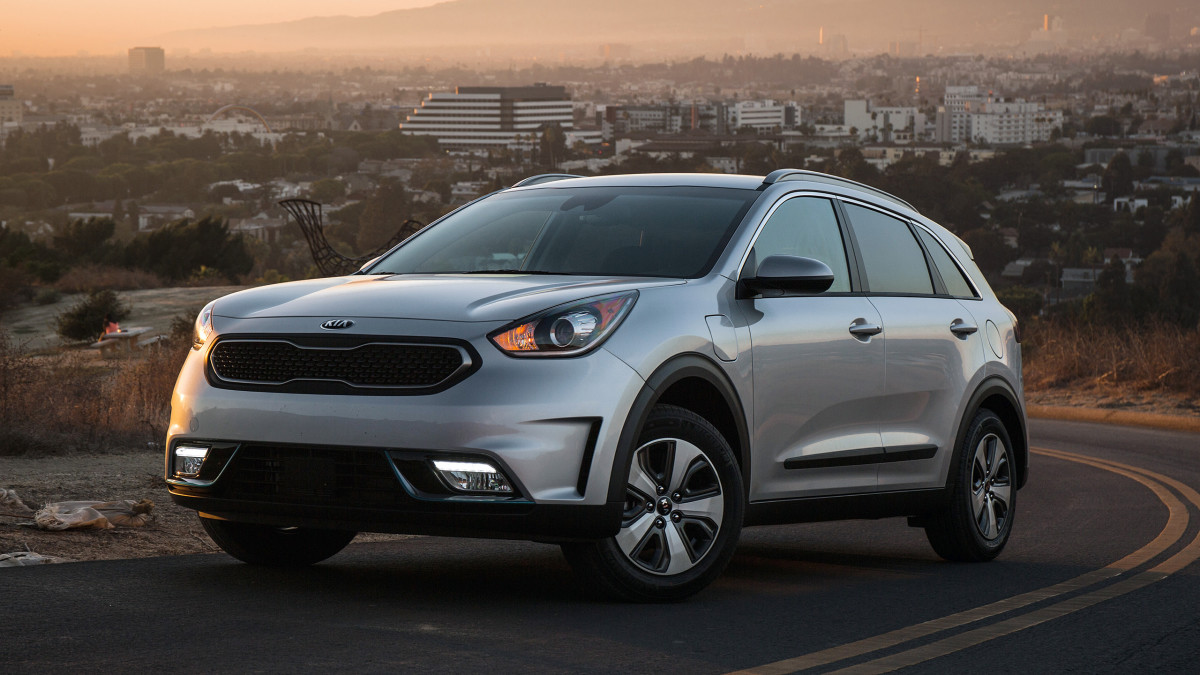
While some eco-focused vehicles adopt futuristic styling, this crossover keeps things subtle and familiar. It shares the same platform and overall shape as the standard hybrid version but includes several distinctive touches.
Design highlights include:
- A slightly revised grille with blue accents
- Available LED headlights
- Aerodynamic wheel designs
- Plug-in hybrid badges
- A charging port integrated into the front fender
The overall design remains practical and crossover-like, which helps the vehicle appeal to buyers who want efficiency without sacrificing everyday usability.
Interior Comfort and Technology
Inside the cabin, the 2018 model focuses on comfort and intuitive technology. The five-passenger interior offers supportive seating and a clean dashboard layout. One impressive aspect is that the battery placement—under the rear seats and cargo floor—allows the vehicle to retain nearly the same cargo capacity as the regular hybrid version.
Key technology features include:
- Apple CarPlay and Android Auto compatibility
- A user-friendly touchscreen infotainment system
- Available 7-inch digital instrument cluster
- Dual-zone automatic climate control
- Heated front seats and steering wheel (on higher trims)
A particularly clever feature is Driver-Only Air Conditioning, which directs airflow primarily to the driver when no passengers are present. This small innovation helps conserve energy and maximize efficiency.
Safety and Driver Assistance
Kia has long focused on safety technology, and this plug-in hybrid benefits from a comprehensive set of driver-assistance systems. Standard and available features include:
- Forward Collision Warning
- Autonomous Emergency Braking
- Lane Keep Assist
- Blind Spot Detection
- Rear Cross-Traffic Alert
- Smart Cruise Control
- Front and rear parking sensors
The vehicle’s structure also incorporates over 50 percent advanced high-strength steel, improving rigidity while keeping weight under control. This design approach contributed to strong safety expectations from both NHTSA and IIHS during its launch period.
Pricing and Trim Options
When new in the United States, the plug-in hybrid crossover was offered in two primary trims:
| Trim | Starting Price (Original MSRP) | Key Features |
|---|---|---|
| LX | $28,840 | Apple CarPlay, driver-assistance tech, 8-inch touchscreen |
| EX Premium | $35,440 | Leather seats, premium audio, advanced safety features |
The price difference mainly reflected upgrades in interior materials, technology features, and convenience options.
How It Compared With Other Plug-In Hybrids
During its release year, several plug-in hybrids competed for attention in the U.S. market. The Niro stood out largely because of its crossover practicality.
| Vehicle | Electric Range | Combined MPG | Body Style |
|---|---|---|---|
| Kia Niro Plug-in Hybrid | 26 miles | 46 MPG | Subcompact crossover |
| Toyota Prius Prime | 25 miles | 54 MPG | Compact hatchback |
| Chevrolet Volt | 53 miles | 42 MPG | Compact hatchback |
| Hyundai Ioniq Plug-in | 29 miles | 52 MPG | Liftback |
While the Chevrolet Volt offered significantly more electric range, it lacked the crossover practicality. Meanwhile, the Toyota Prius Prime focused heavily on efficiency but had limited rear-seat space. The Kia found a sweet spot by combining respectable electric capability with SUV-like usability.
Everyday Driving Practicality
Imagine a driver with a 20-mile daily commute in a suburban U.S. city. With a full charge every morning, the vehicle can complete the entire trip on electricity alone, using no gasoline at all. During the weekend, that same driver could embark on a 300-mile road trip without worrying about charging infrastructure, thanks to the gasoline engine acting as a backup power source.
This dual-purpose capability is what makes the vehicle particularly appealing to households transitioning toward electrified transportation.
Personal Driving Impression
During a brief test drive at a regional auto showcase a few years ago, I was impressed by how normal the driving experience felt—the seamless shift between electric and hybrid modes made it easy to forget you were driving an electrified vehicle at all.
What Makes This Plug-In Hybrid Stand Out
The biggest strength of this model is its balance. Instead of focusing purely on electric range or pure efficiency, Kia designed it to fit real lifestyles. Drivers get the benefit of electric commuting, excellent fuel economy on longer trips, and the practicality of a crossover with comfortable seating and usable cargo space.
For buyers who want to experiment with electrification without committing to a fully electric vehicle, this plug-in hybrid offers a compelling and practical entry point.
Related: 2026 Kia Niro EV Overview
Conclusion
The 2018 Kia Niro PHEV represents an important step in Kia’s electrification journey. It combines the efficiency of a plug-in hybrid with the versatility of a compact crossover, making it an appealing option for drivers seeking lower fuel consumption without sacrificing practicality.
With its 26-mile electric range, 46 mpg efficiency, and nearly 560-mile total driving range, it manages to deliver both environmental benefits and everyday usability. Add in strong technology features, advanced safety systems, and competitive pricing, and the result is a well-rounded plug-in hybrid that remains relevant even years after its release.
For drivers looking to reduce fuel consumption while keeping the flexibility of a gasoline vehicle, this crossover proves that the transition to electrified driving can be both practical and enjoyable.
FAQs
What is the electric range of the 2018 Kia Niro PHEV?
The EPA estimates around 26 miles of all-electric driving, depending on driving conditions and temperature.
How long does it take to charge the battery?
Using a Level 2 charger, the battery can recharge in about 2.5 hours, while a standard household outlet typically requires 8–9 hours.
How fuel-efficient is the plug-in hybrid when running on gasoline?
In hybrid mode, it achieves approximately 46 mpg combined, making it one of the more efficient crossover-style vehicles in its class.
Does the battery reduce cargo space?
No. The battery is strategically placed under the rear seats and cargo floor, allowing the vehicle to retain similar cargo capacity to the regular hybrid version.
Is the 2018 model a good used car choice today?
Yes. Thanks to its reliability, strong fuel efficiency, and flexible plug-in hybrid powertrain, it remains a practical and economical option in the used car market for drivers interested in electrified vehicles.