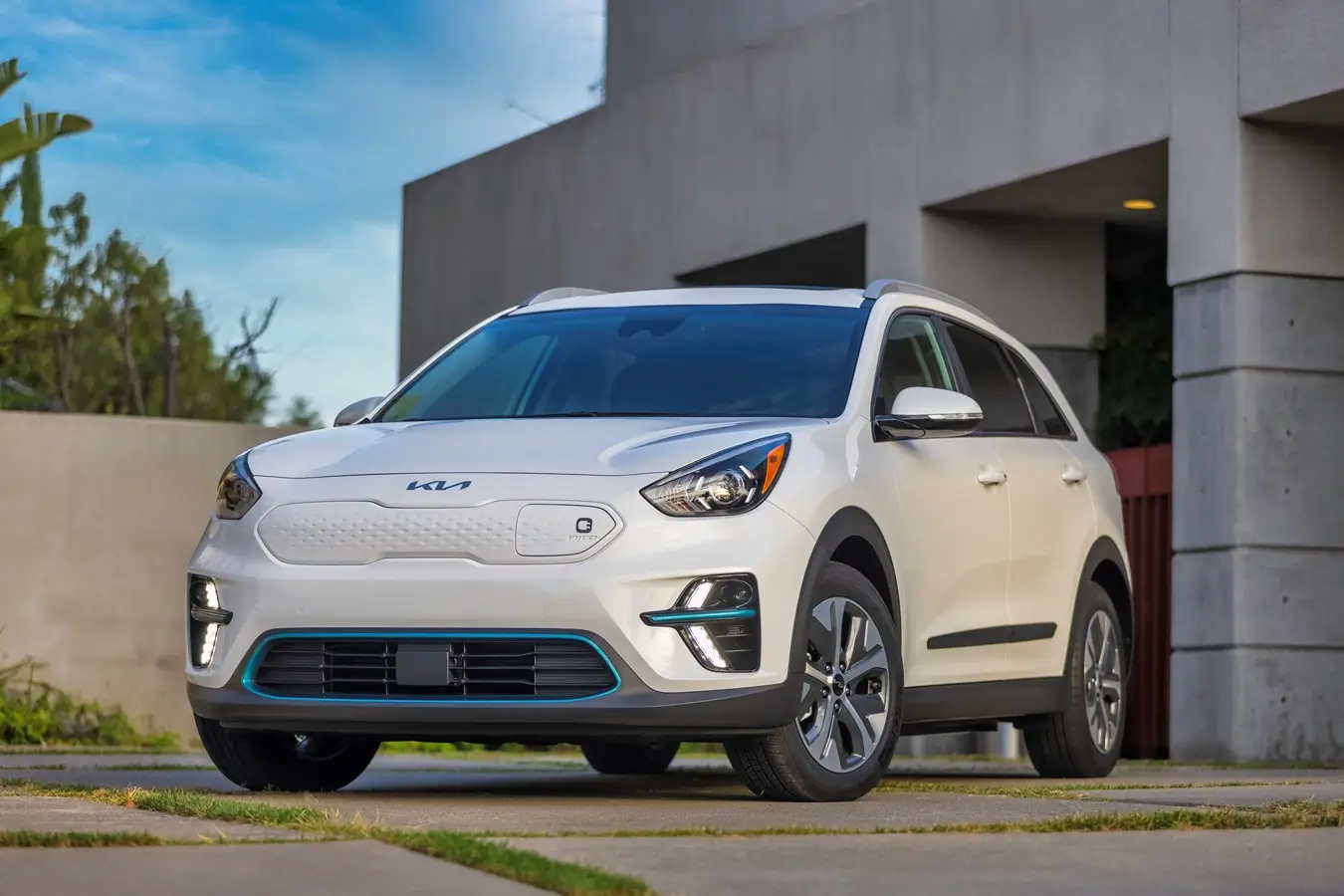
Electric vehicles have rapidly evolved, but some models remain relevant because they simply get the fundamentals right. The 2022 Niro EV is one of those rare electric crossovers that balances affordability, usability, and real-world practicality in a way many newer EVs still struggle to match. Developed under the electrification strategy of Kia America, this compact electric SUV was designed specifically for everyday American drivers—not just early adopters.
What makes it especially compelling is how naturally it fits into daily life. It doesn’t try to reinvent driving. Instead, it quietly improves it.
Performance, Battery, and Driving Feel
At the heart of this electric crossover sits a 64-kWh lithium-ion battery paired with a 150-kW electric motor. That translates to:
- 201 horsepower
- 291 lb-ft of instant torque
- EPA-estimated 239-mile range
- 0–60 mph in about 6.2 seconds
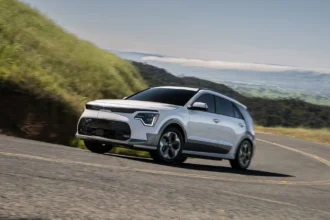
Those numbers may not sound extreme in today’s EV landscape, but behind the wheel, the experience feels surprisingly energetic. Instant torque makes merging onto highways effortless, and the low center of gravity helps it stay composed around corners.
I personally drove a Niro EV during a media test event in Southern California, and what stood out most wasn’t just the acceleration—it was how smooth, quiet, and normal it felt, making the transition from gasoline completely stress-free.
Unlike some performance-focused EVs, this one prioritizes comfort and predictability, which most drivers will appreciate during daily commuting.
Charging and Real-World Usability
Range anxiety is often the biggest concern for first-time EV buyers, but this model addresses that fear effectively.
Charging options include:
- Level 1 (120V): Overnight home charging for low-mileage drivers
- Level 2 (240V): Full charge in about 9–10 hours
- DC Fast Charging: 10% to 80% in approximately 60–75 minutes
In real-world conditions, many drivers report achieving close to or even exceeding 240 miles, especially in city driving where regenerative braking improves efficiency.
Imagine a typical American commuter traveling 30–40 miles daily. They could drive nearly an entire week without charging. Plugging in at home overnight once or twice weekly is usually enough.
That convenience alone makes ownership dramatically easier than most people expect.
Interior Comfort and Technology
Step inside, and the cabin feels thoughtfully designed rather than futuristic for the sake of it.
For 2022, a 10.25-inch touchscreen comes standard, integrating:
- Navigation
- Apple CarPlay and Android Auto
- SiriusXM satellite radio
- Voice controls
Higher trims add:
- Harman Kardon premium audio
- Heated and ventilated seats
- Sunroof
- Leather-like SynTex upholstery
Passenger space is another strong point. Despite its compact exterior, the interior feels open and comfortable for adults in both rows.
Cargo capacity is also impressive:
- 18.5 cubic feet behind rear seats
- Up to 53 cubic feet with seats folded
That’s enough room for luggage, groceries, or even small furniture.
Safety and Driver Assistance
Safety technology is comprehensive, even on the base trim.
Standard features include:
- Forward Collision-Avoidance Assist
- Blind-Spot Collision Warning
- Lane Keeping Assist
- Smart Cruise Control with Stop & Go
- Highway Driving Assist
- Driver Attention Warning
These systems work smoothly without feeling intrusive, providing extra confidence during long drives.
For highway commuters, adaptive cruise control with stop-and-go capability can significantly reduce fatigue.
Trim Levels and Pricing
The 2022 model was offered in two trims:
| Trim | Starting MSRP | Key Highlights |
|---|---|---|
| EX | $39,990 | Full safety suite, 10.25-inch screen, navigation |
| EX Premium | $44,650 | Sunroof, ventilated seats, premium audio |
Even today, these prices represent strong value compared to newer EVs that often exceed $50,000.
Depending on location, buyers could also qualify for state and local incentives, reducing ownership costs further.
How It Stacks Up Against Key Rivals
Electric vehicle shoppers often compare multiple options before deciding. Here’s how this crossover compares with two major competitors from the same era:
| Feature | Niro EV | Hyundai Kona Electric | Chevrolet Bolt EUV |
|---|---|---|---|
| Range | 239 miles | 258 miles | 247 miles |
| Horsepower | 201 hp | 201 hp | 200 hp |
| Cargo Space | 53 cu ft | 45.8 cu ft | 56.9 cu ft |
| Interior Quality | Premium feel | Good | Basic |
| Ride Comfort | Excellent | Firm | Comfortable |
| Price (new) | Competitive | Similar | Slightly lower |
Compared with rivals from Hyundai Motor Company and General Motors, this vehicle stands out for its balance of refinement, technology, and comfort rather than focusing on just one category.
It feels more upscale than the Bolt EUV and more spacious than the Kona Electric.
What Makes It Stand Out in Everyday Life
Many EVs impress on paper. Fewer excel in daily living.
This one succeeds because of how seamlessly it integrates into normal routines.
Consider a realistic scenario:
A suburban Chicago commuter drives 35 miles each day, runs errands on weekends, and occasionally visits family 120 miles away. With a full charge providing around 239 miles, they could complete most weekly driving without recharging. When longer trips come up, fast-charging stations along highways make travel manageable with planned stops.
The biggest benefit isn’t speed or technology—it’s freedom from gas stations, oil changes, and constant maintenance.
Over time, those savings and conveniences add up significantly.
Ownership Costs and Long-Term Value
Electric vehicles generally cost less to maintain, and this one is no exception.
Owners save money on:
- Oil changes
- Engine repairs
- Transmission servicing
- Brake replacements (thanks to regenerative braking)
Electricity is also significantly cheaper than gasoline in most U.S. states.
Reliability ratings have been strong, and battery degradation has proven minimal in most cases.
That makes it a smart long-term investment, especially for drivers planning to keep their vehicle for many years.
Design: Subtle but Functional
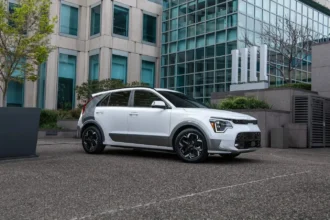
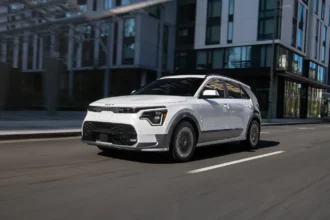
Unlike some EVs that emphasize futuristic styling, this crossover keeps things simple.
Exterior highlights include:
- Signature closed grille
- LED lighting
- Aerodynamic wheels
- Clean, modern lines
It doesn’t scream for attention—but that’s exactly why many buyers prefer it.
It looks normal.
And normal can be a huge advantage.
Why It Still Makes Sense Today
Even with newer EVs offering faster charging and longer range, this model remains highly relevant.
It delivers:
- Excellent range for daily driving
- Comfortable, refined ride
- Practical interior space
- Strong reliability record
- Competitive pricing
Most importantly, it solves real problems without adding unnecessary complexity.
It’s an EV designed for real people.
Not just technology enthusiasts.
Related: 2021 Kia Niro EV Overview
Conclusion
The 2022 electric crossover proves that successful EV design isn’t about extremes—it’s about balance.
It offers enough range to eliminate anxiety, enough performance to feel enjoyable, and enough practicality to function as a primary family vehicle.
For commuters, families, and first-time EV buyers, it remains one of the smartest and most sensible electric vehicles available.
Years later, it still delivers exactly what most drivers actually need.
And that’s why it continues to stand out.
FAQs
Is the 2022 model reliable?
Yes. It has shown strong reliability, low maintenance costs, and consistent battery performance over time.
How long does the battery last?
The battery is designed to last many years. Most owners experience minimal degradation even after high mileage.
Is it good for long trips?
Yes, especially with fast-charging stations available. However, it’s best suited for daily driving and moderate road trips.
How much does it cost to charge?
Charging costs vary by state, but most drivers spend significantly less than gasoline—often saving hundreds per year.
Is it better than newer EVs?
Newer EVs may charge faster, but this model remains one of the best values for practicality, comfort, and affordability.