If there’s a single electric crossover that nails the “do-it-all” brief, it’s the Tesla Model Y. It’s the EV you keep seeing everywhere: compact enough for city parking, roomy enough for a small family, quick off the line, frugal at the plug, and flush with software tricks that feel a step ahead. But the Model Y is also a lightning rod, its strengths are obvious, and its weak spots make headlines. Here’s a human, no-nonsense walkthrough of what the Tesla Model Y EV really is in 2025: the good, the tricky, and the context you need before you buy.
What the Model Y Is (and Isn’t)
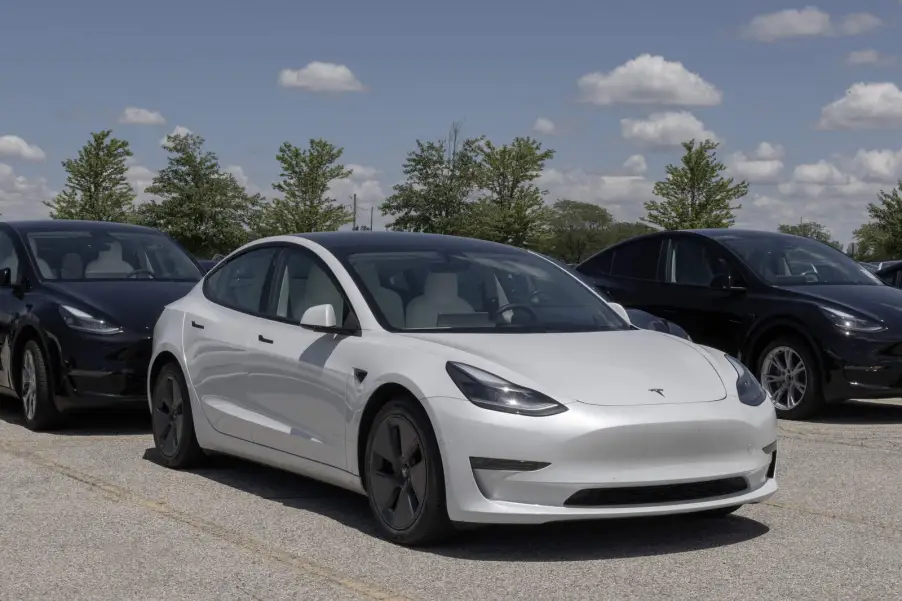
The Model Y is a five-door, all-electric compact crossover built on the Model 3 platform. Think raised seating position, hatchback practicality, and a tech-forward cabin centered on a single touchscreen. You can get it in dual-motor all-wheel drive (the default for most trims) or performance-tuned variants. There have been occasional runs of a third-row “7-seat” option; it’s best for kids and short trips, but it does boost practicality for parents who need an emergency row.
Core appeal in one breath: instant torque, fuss-free charging on Tesla’s Supercharger network (still the benchmark for ease), over-the-air software updates that add or refine features, and operating costs that undercut comparable gas crossovers.
What it’s not: a plush luxury SUV with buttons everywhere, a soft-riding off-roader, or a vehicle designed around old-school mechanical redundancies. Tesla prioritizes software, simplicity, and efficiency—even when that means fewer physical controls.
Range, Charging, and Real-World Efficiency
Range varies by trim, wheel size, climate, and speed, but the Model Y is consistently strong for its class. Drive it sensibly and you’ll see highway ranges that make most daily commutes feel trivial and most weekend trips simple with one fast stop. Supercharging is the ace card: you navigate to a station, the battery preconditions automatically, you plug in, and the car handles billing. Peak charging speeds are zippy; more important is the reliability of the network and the sheer number of stalls at many sites, which keeps wait times down.
Pro tip for new owners: bigger wheels look great but nibble at range; cold weather also bites. Precondition in winter, keep an eye on the trip planner’s live consumption estimates, and you’ll be fine.
Performance and Ride
Even the “regular” dual-motor Model Y is quick—overtakes require a toe-twitch, not a runway. The Performance variant is borderline silly for a family crossover, with launch force that will make your passengers search for seatback handles that don’t exist. Handling is composed and predictable, though the ride can run firm, especially on larger wheels. If you live on cracked pavement and prioritize comfort, mind your spec (wheel/tire choice matters).
Interior, Tech, and Usability
Love it or hate it, the minimalist interior does exactly what it says on the tin. The 15-inch center touchscreen runs the show: navigation, media, climate, vehicle settings, and most driving controls. Voice commands help, and software updates routinely add polish—small things like improved route planning, new camera views, or better charging recommendations.
Seating space is generous up front; the second row fits two child seats comfortably (three in a pinch depending on seat width). The cargo hold is cavernous for the class, and the under-floor bin plus front trunk (“frunk”) make weekend runs embarrassingly easy. Wireless phone charging pads, a solid audio system, and clean cabin air filtration round out the daily-use perks.
What trips up some owners: fewer physical buttons means a learning curve. Get used to the on-screen wiper, glovebox, and mirror controls. Save driver profiles once you’ve got mirrors and wheel where you want them; then it’s painless.
Driver Assistance: Useful, With Important Caveats
Tesla’s basic driver-assist suite—traffic-aware cruise control and lane keeping makes long drives less tiring. Navigate on Autopilot and hands-on lane changes can be helpful on boring highway slogs. The controversial “Full Self-Driving” (no, it’s not fully autonomous) is a paid add-on aimed at expanding city-street assistance. Treat any assist as assist: you’re the driver, fully responsible, eyes on, hands ready. That’s not a disclaimer, it’s the only correct way to use any current system.
Safety, Doors, and the “Power-First” Philosophy
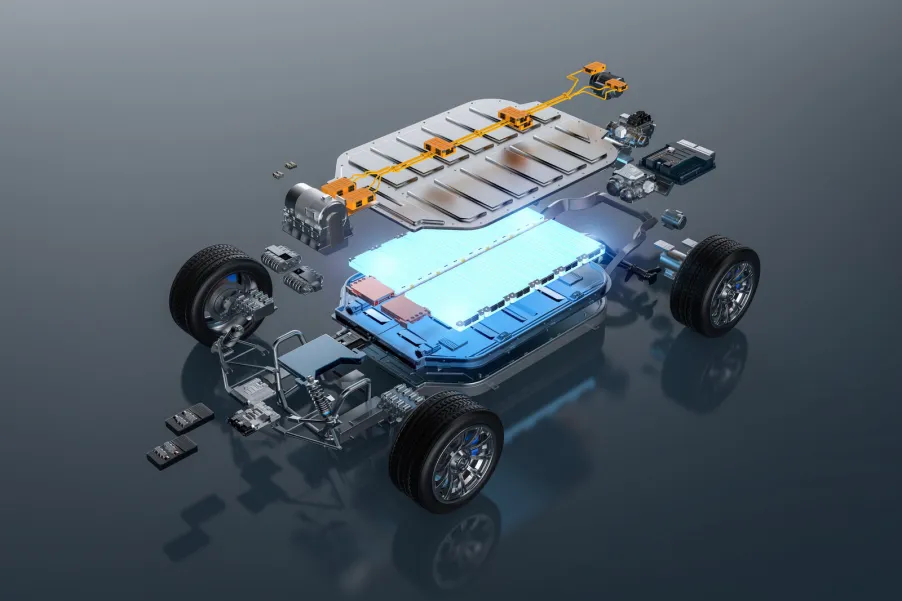
Tesla has earned strong crash-test scores historically, and the rigid battery platform gives a low center of gravity that benefits stability. However, the brand’s power-first approach to controls and latches sometimes creates edge-cases. A current example making news: reports of exterior door handles becoming inoperative during low-voltage dips, leading some parents to break a window to reach a child in a Model Y. There are interior manual releases, but kids might not locate or operate them quickly; outside, if the exterior handle is dead, you’ll need the key card/phone and a live 12-volt system—or, in a true emergency, you break glass. For families, it’s worth rehearsing interior manual releases with older kids and keeping a glass-break tool accessible to adults (never loose in the cabin with children). It’s also wise to set up all keys/phones properly and watch for low-voltage warnings.
Ownership Costs, Maintenance, and Resale
EVs slash routine maintenance: no oil changes, fewer moving parts, and regenerative braking that stretches pad life. Tires can wear faster if you drive it like a rocket—rotate on schedule and keep pressures set in the UI. Electricity costs undercut gasoline almost everywhere; home charging wins for convenience and cost, while road-trip energy costs depend on Supercharger rates in your area. Insurance varies by market; shop quotes with EV-savvy carriers.
Resale has been volatile industry-wide as battery tech and pricing shift, but the Model Y’s ubiquity and charging advantage help keep demand healthy. If you plan to sell within a couple years, stick with widely desired specs (AWD, sensible wheel size, common colors).
Pros and Cons in One Glance
Pros
- Excellent efficiency and range for a compact crossover
- Class-leading fast-charging network and seamless plug-and-go experience
- Quick performance; secure handling; roomy cargo
- Frequent over-the-air software improvements
Cons
- Firm ride on big wheels; road noise varies by tire
- Minimal physical controls aren’t for everyone
- Power-dependent features (like exterior handles) can create rare but serious edge-cases
- Premium pricing when optioned, plus paid add-ons for advanced driver assistance
Buying Advice and Setup Tips
- Pick the right wheels. 18–19 inch equivalents maximize range and comfort.
- Budget for home charging. A Level-2 setup (or at minimum, a 240-V outlet) transforms ownership.
- Learn the car in Park. Walk through menus, set driver profiles, configure phone keys, and practice the interior manual door releases.
- Drive the assist, don’t delegate it. Treat every assist as a helper, not a chauffeur.
Conclusion
The Tesla Model Y EV remains the segment’s reference point: fast, efficient, software-smart, and anchored by the best public fast-charging experience around. It isn’t perfect—its minimalist control philosophy and reliance on powered mechanisms demand that owners learn a few emergency basics. But if you want an EV that feels relentlessly modern and is easy to live with day-to-day, the Model Y deserves a spot at the top of your list.
Related: Chevy Overtakes Ford in U.S. Non-Luxury EV Market Share