A wrongful-death case that raises old questions about new door tech
Tesla is back under legal fire—this time over a crash that killed five people after a Model S hit a tree and erupted in flames in Verona, Wisconsin, on November 1, 2024. The surviving children of Jeffrey and Michelle Bauer have filed a wrongful-death lawsuit alleging the car’s electronic door system failed after the battery ignited, trapping the occupants as the fire spread. The suit was filed last week in Dane County Circuit Court and claims Tesla knew of prior incidents and feasible safety fixes but failed to implement them.
What the lawsuit says happened—seconds matter when power dies
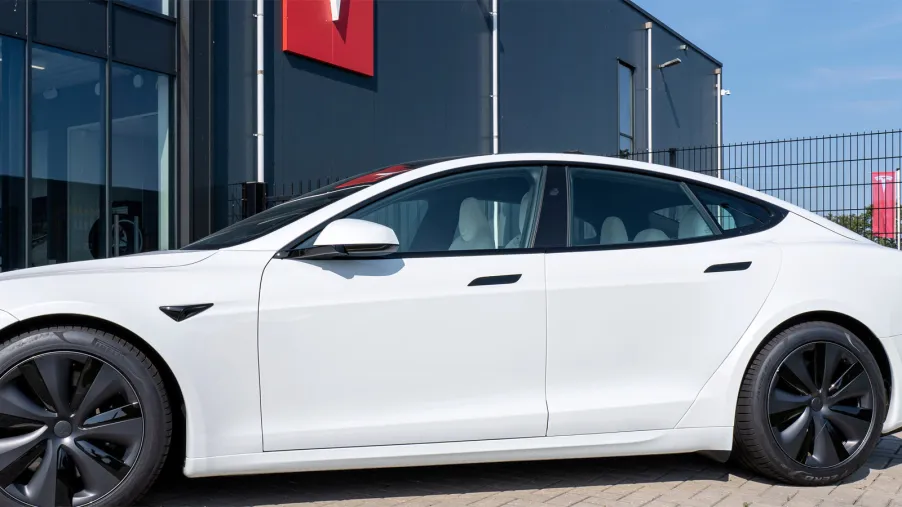
According to the complaint, the Model S’s electronically actuated doors and flush handles became inoperable once power was compromised by the post-impact battery fire. While Teslas include manual mechanical releases, the suit argues they are difficult to locate quickly under duress—especially for rear-seat passengers—because a tab is positioned low and beneath trim material, impeding a rapid escape in low-visibility, high-heat conditions. In short: when the vehicle lost power, the intuitive exit path vanished.
A pattern under scrutiny: regulators are already probing door failures
This case doesn’t arrive in a vacuum. In September, U.S. auto-safety regulators opened an investigation into Tesla door handles and latches after reports that low voltage or power loss rendered doors inoperable, with parents in multiple incidents breaking windows to free children from the back seat. That probe covers a large population of Model Y vehicles but touches on a common design question across Tesla’s lineup: what happens when electronic convenience meets emergency reality?
The broader context: other fatal fires and similar claims
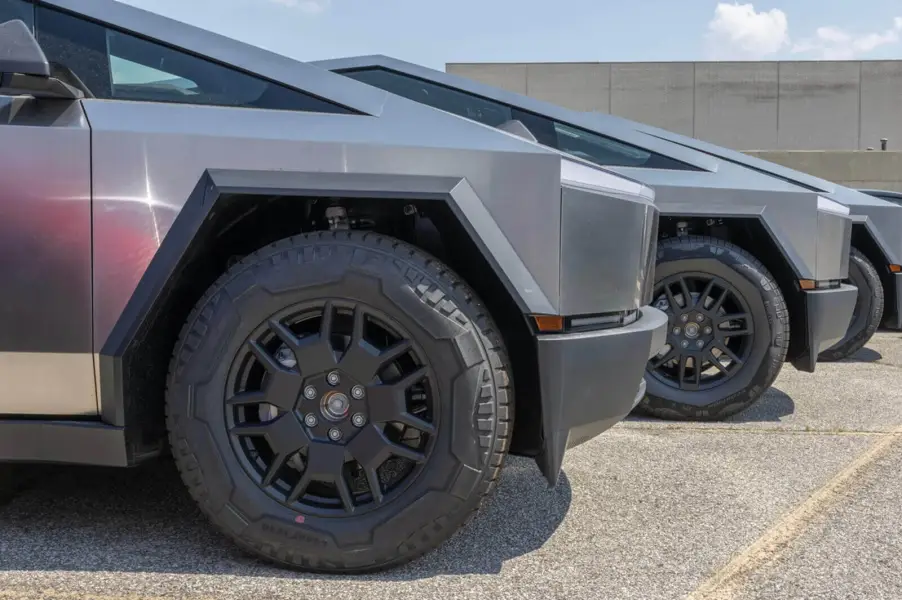
The Wisconsin crash is one of several recent tragedies now wrapped in litigation over door egress. Families of two college students killed in a 2024 Cybertruck crash in Piedmont, California, allege the truck’s electronic exit buttons failed after power loss, trapping victims inside a burning vehicle. Separate reporting notes Tesla has been working on a redesign aimed at improving emergency usability, though the company has not publicly commented in detail on the lawsuits. These cases collectively argue that flush, power-dependent door systems create a foreseeable risk: passengers who survive an impact may not survive the fire that follows.
What’s at stake for Tesla—and for the industry
For Tesla, the legal exposure is two-pronged. First is product liability: plaintiffs say safer, feasible alternatives were available, such as more prominent, standardized mechanical overrides accessible to all occupants—not just the driver—or door hardware that defaults to a “fail-open” state in crashes. Second is the knowledge question: did Tesla have sufficient notice of similar incidents or regulator interest and did it move quickly enough to mitigate the risk? The Reuters and Bloomberg coverage underscore that the Wisconsin filing specifically alleges Tesla “knew or should have known” of the hazard well before this crash. If a jury agrees, damages can rise steeply. Beyond Tesla, the case challenges a broader EV/AV trend favoring smooth, electronically mediated interfaces that can confound escape when every second counts.
How electronic doors can become an emergency liability
Modern EVs lean on electronic latches and capacitive, pop-out handles for aerodynamics and style. Under normal conditions, these systems work—and delight. Under abnormal ones, they can create a paradox: power loss or thermal runaway (battery fire) disables the very interfaces needed to flee. The Wisconsin complaint highlights this failure mode, and previous reports detail confusion in back seats where manual cables or tabs are hidden beneath trim or carpet. Human-factors engineering is central here: in smoke, darkness, and panic, design must reduce cognition, not demand it. That’s why aviation and motorsport rely on bright, tactile, standardized mechanical pulls. Automakers who choose electronic elegance have to prove their redundancies are as fast and obvious as a big red lever.
Will the NHTSA probe force changes?
If NHTSA’s preliminary evaluation matures into an engineering analysis and ultimately a recall, Tesla could be compelled to modify software behaviors (e.g., automatic unlatching post-crash while power remains), hardware (adding conspicuous, labeled mechanical releases at every seating position), or both. Past Tesla over-the-air updates have addressed safety concerns, but a mechanical visibility problem typically demands a physical remedy. The ongoing federal probe—triggered by real-world entrapment reports—suggests regulators see a systemic issue worth deeper examination.
What Tesla has said and not said
As of this writing, Tesla hasn’t issued a detailed public response to the Wisconsin allegations. Prior reporting on the California Cybertruck cases notes the company has acknowledged working on improved emergency usability of its door systems. Historically, Tesla has emphasized that vehicles include manual releases, owner’s manuals explain their use, and first responders receive guidance on breaking glass and cutting power. Plaintiffs counter that hidden, non-intuitive releases are not adequate in the chaos of a fire, and that training firefighters does little for trapped occupants in those first critical seconds after impact. Expect Tesla, if and when it responds, to argue that the crash forces and subsequent fire—not door design—were the proximate causes, and that the vehicles met federal standards at sale.
Why this story resonates with readers
Automotive enthusiasts track lap times, range figures, and 0–60 sprints—but safety design is the spec that matters most when things go wrong. The idea that a car could be survivable in a crash but unsurvivable in the fire that follows—because doors won’t open—hits a visceral nerve. It raises the perennial question for tech-forward cars: can we have minimalist interfaces without sacrificing the primitive reliability of a simple latch? The answer will likely come from a mix of courtroom findings, regulatory actions, and, ultimately, redesigned hardware that makes manual egress obvious, tactile, and universal.
Related: Tesla six-passenger SUV $47,000: Model Y L Explained
The road ahead: what to watch next
In the weeks ahead, watch for three things. First, whether Tesla files a motion to dismiss or seeks to bifurcate claims against co-defendants (the suit reportedly also names the driver’s estate) to narrow its exposure. Second, any updates from NHTSA on the status of the door-handle probe and whether similar defect theories are being examined across multiple Tesla models. Third, indications of an industry-wide pivot: clearer emergency labeling, illuminated mechanical pulls, or software defaults that favor unlocking after a crash, even at the expense of certain anti-theft or battery-preservation behaviors. The combination of a high-profile lawsuit, a federal investigation, and past fatal incidents suggests momentum toward change—whether voluntary or compelled.