The 2021 Kia Soul sits in a sweet spot for drivers who want something practical but refuse to blend into traffic. With its boxy silhouette, upright stance, and reputation for punching above its weight, the Soul has carved out a loyal following over the years. For 2021, Kia didn’t reinvent the formula—and that’s a good thing. Instead, it refined what already worked, quietly addressing comfort, convenience, and safety while keeping the Soul’s personality intact.
At its core, this model year is a continuation of the fully redesigned fourth-generation Soul introduced in 2020. The platform, proportions, and cabin layout remain the same, but Kia made subtle updates that improve day-to-day ownership. It’s the kind of car that doesn’t scream for attention on paper yet surprises you once you live with it.
Design and road presence
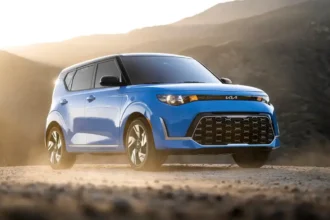
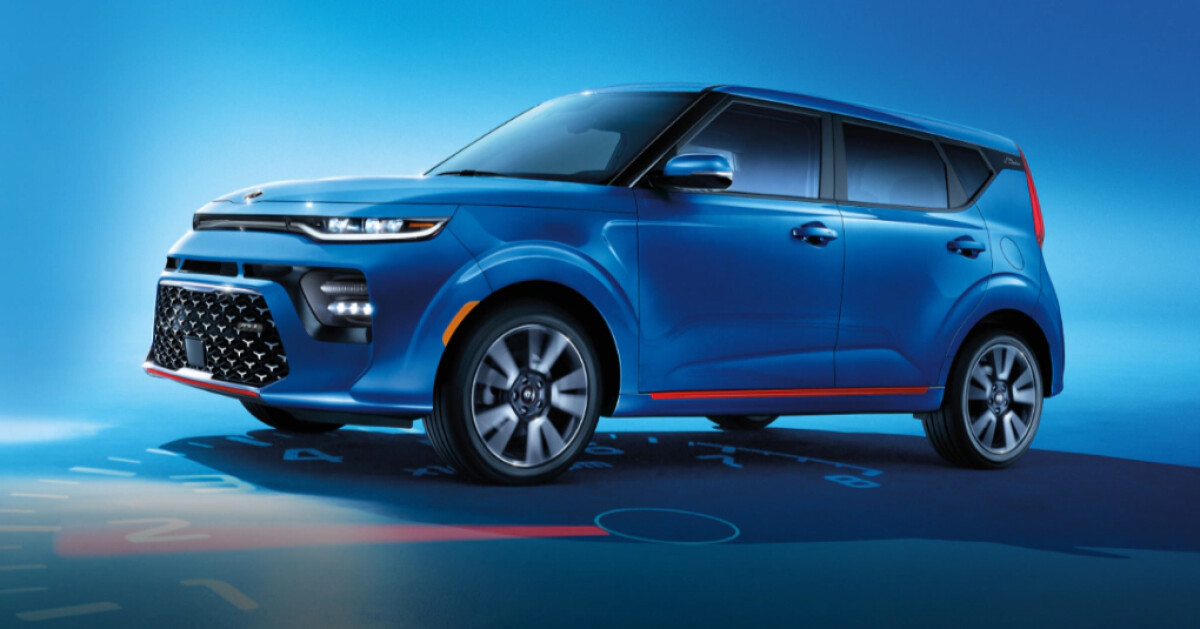
The Soul’s design has always been divisive, but that’s part of its appeal. Short overhangs, a tall roofline, and a wide stance give it a confident, almost playful posture. In 2021, trim-specific styling cues—such as blacked-out accents on the X-Line or sportier touches on the Turbo—allow buyers to choose between rugged, urban, or performance-inspired looks.
Despite compact exterior dimensions, the upright design pays dividends in real life. Parking is easy in tight city spaces, and visibility is excellent compared to many low-slung crossovers. This is a car you can confidently place on the road without relying heavily on cameras or sensors.
Interior comfort and everyday usability
Step inside, and the Soul continues to impress with smart packaging. The cabin feels airy, thanks to the tall roof and generous glass area. Front and rear passengers enjoy headroom that rivals vehicles from a class above, and the seating position is comfortable for long drives.
Materials vary by trim, but even lower variants feel thoughtfully assembled. Higher trims add soft-touch surfaces, ambient lighting, and larger infotainment screens that make the interior feel more premium than the price tag suggests. One detail that stands out is how intuitive everything feels—controls are where you expect them to be, and the learning curve is minimal.
From personal experience, a weekend road trip in the 2021 Soul proved surprisingly relaxing; after several hours behind the wheel, fatigue was noticeably lower than in many compact SUVs I’ve driven.
Cargo space is another strong point. With the rear seats folded, the Soul can swallow bikes, flat-pack furniture, or a week’s worth of luggage without drama. It’s a practical choice for young professionals, small families, or anyone who values flexibility over sheer size.
Engine options and driving character
Kia offered two distinct powertrains for the 2021 model, catering to very different drivers. The standard 2.0-liter four-cylinder engine delivers 147 horsepower, which is more than adequate for daily commuting. It’s not designed to thrill, but it’s smooth, predictable, and fuel-efficient—qualities most buyers in this segment prioritize.
For those who want more excitement, the 1.6-liter turbocharged engine changes the Soul’s personality entirely. With 201 horsepower on tap, acceleration feels genuinely brisk, especially in urban driving where quick gaps matter. The turbo variant transforms the Soul from a sensible runabout into something unexpectedly fun.
Ride quality also received attention. Certain trims with larger wheels gained revised shock absorbers, resulting in better control over rough surfaces. In real-world driving—think potholes, uneven city roads, and highway expansion joints—the Soul feels composed without becoming stiff.
Safety and driver assistance
Safety is an area where the 2021 Soul quietly overdelivers. Many advanced driver assistance features come standard or are widely available across trims, rather than being locked behind the most expensive versions. Forward collision avoidance, lane keeping assist, blind-spot monitoring, and rear cross-traffic alert contribute to a reassuring driving experience.
A particularly thoughtful addition is Rear Occupant Alert, now standard across the lineup. It’s a small feature, but one that reflects Kia’s attention to real-world use cases, especially for families or rideshare drivers.
How it stacks up against rivals
When placed next to competitors like the Honda HR-V, Toyota C-HR, and Hyundai Kona, the Soul stands out for space efficiency and value. While some rivals focus on sporty styling or brand reputation, the Soul prioritizes interior room, visibility, and everyday comfort.
Here’s a quick snapshot to put things into perspective:
| Feature | Kia Soul (2021) | Honda HR-V | Toyota C-HR |
|---|---|---|---|
| Rear Headroom | Excellent | Good | Average |
| Cargo Flexibility | Very High | High | Moderate |
| Turbo Option | Yes | No | No |
| Base Price Value | Strong | Moderate | Moderate |
| Ride Comfort | Balanced | Firm | Firm |
What this shows is that the Soul doesn’t try to out-sport or out-luxury its rivals. Instead, it focuses on livability—something that matters more over years of ownership than spec-sheet bragging rights.
Ownership costs and efficiency
Fuel economy remains competitive, especially with the naturally aspirated engine, making the Soul an affordable daily driver. Maintenance costs are generally low, and Kia’s reputation for long warranties adds peace of mind for buyers planning to keep their vehicle for several years.
Insurance premiums also tend to be reasonable, partly due to the Soul’s strong safety ratings and modest repair costs. For budget-conscious buyers, this combination of efficiency, reliability, and warranty coverage can make a noticeable difference over time.
A real-world use case
Imagine a city-based professional who commutes during the week, runs errands on weekends, and occasionally heads out of town. The 2021 Soul fits seamlessly into this lifestyle. It’s easy to maneuver in traffic, comfortable enough for longer highway drives, and spacious enough to handle spontaneous plans—whether that’s helping a friend move or loading up camping gear.
Unlike larger SUVs, it doesn’t feel cumbersome. Unlike smaller hatchbacks, it doesn’t feel cramped. That balance is where the Soul quietly excels.
Why the 2021 model still makes sense
Even years after its release, the 2021 version remains relevant because it delivers fundamentals exceptionally well. It’s not chasing trends or gimmicks. Instead, it focuses on space, comfort, safety, and value—qualities that age far better than flashy features.
For buyers looking at the used market or comparing options within this generation, the 2021 model offers a mature, well-rounded package that avoids the growing pains of early redesign years.
Related: 2020 Kia Soul Overview
Conclusion
The 2021 Kia Soul is proof that smart design and thoughtful engineering can outshine raw numbers. It offers a rare blend of personality, practicality, and value, wrapped in a shape that refuses to be boring. Whether you choose it for daily commuting, family duties, or simply because you want something different, the Soul delivers a genuinely satisfying ownership experience. In a segment crowded with compromises, it manages to feel refreshingly complete.
FAQs
Is the 2021 Kia Soul reliable for long-term ownership?
Yes, it has a solid reliability record, backed by Kia’s strong warranty coverage and relatively low maintenance costs.
Does the 2021 Soul feel underpowered?
The standard engine is adequate for daily driving, while the turbo option provides noticeably stronger performance for drivers who want more punch.
Is it suitable for small families?
Absolutely. The spacious rear seat, good cargo capacity, and safety features make it a practical choice for small households.
How does it perform on highways?
It remains stable and comfortable at highway speeds, with good noise insulation and confident handling for a compact vehicle.
Is the 2021 model still worth buying today?
Yes, especially in the used market, where it offers excellent value without sacrificing modern features or comfort.