The Kia Telluride didn’t just enter the midsize SUV segment, it reset expectations. From its debut, it blended rugged presence with thoughtful comfort, delivering a family hauler that felt equally at home on road trips, school runs, and light off-road adventures. As the model approaches a pivotal transition period, buyers are watching closely. The near-term story is unusual: a potential 2026 carryover in some markets followed by a full second-generation redesign arriving early as a 2027 model. That dual-track moment underscores just how important the Telluride has become to Kia’s lineup.
What hasn’t changed is the core appeal. Owners value the Telluride for its space efficiency, ride comfort, intuitive tech, and an interior that punches above its price class. The next evolution aims to keep those strengths intact while modernizing powertrains and design for a market that increasingly demands efficiency without sacrificing capability.
Design Direction: Familiar Confidence, Then a Bold Reset
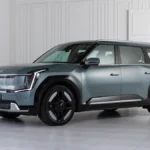
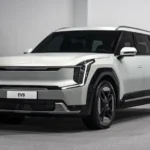
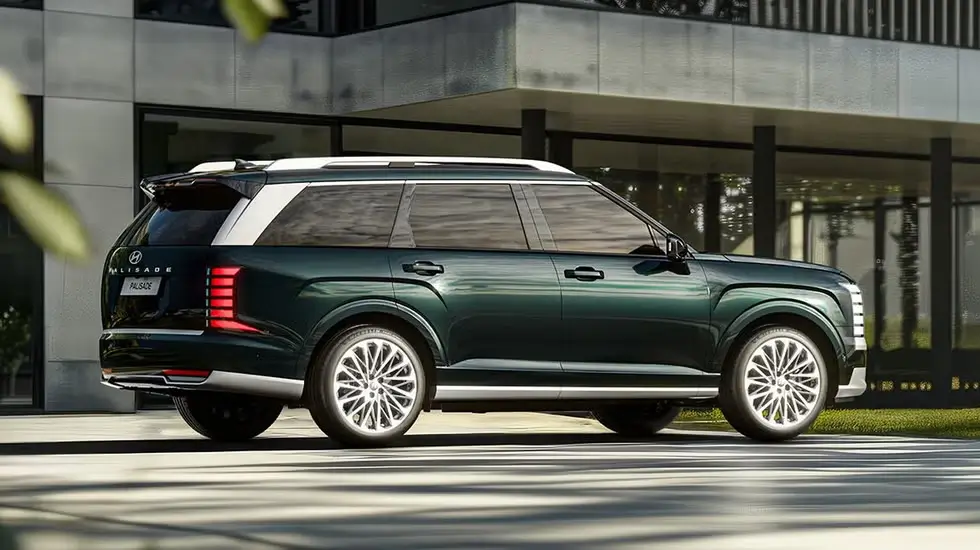
Current versions maintain a squared-off stance with strong shoulder lines and a commanding grille—design cues that read “substantial” without tipping into excess. It’s a look that resonates with families who want presence without pretense. Step forward to the upcoming redesign, and the inspiration becomes clearer: a boxier silhouette influenced by the Kia EV9, vertical LED lighting, flush door handles, and a longer wheelbase that promises even better third-row comfort.
This evolution isn’t about novelty for novelty’s sake. It’s about aerodynamics, packaging, and visibility—practical improvements that also happen to look modern. The Telluride’s exterior story remains grounded in usability, not fashion cycles.
Interior Experience: Comfort That Feels Considered
Inside, the appeal has always been how easy it is to live with the cabin. Wide-opening doors, a low step-in height, and seats that support long stints behind the wheel make daily use feel effortless. Materials are durable where they should be and refined where you notice most—touch points, armrests, and seating surfaces.
The forthcoming interior update leans into technology without abandoning ergonomics. Expect dual curved 12.3-inch displays that integrate instrumentation and infotainment, a column-mounted shifter to free up console space, and relaxation seating with heating and ventilation across all three rows. The result is a cabin that feels airy and premium while staying intuitive—no learning curve required.
I still remember a weekend drive where the third-row passengers stayed comfortable for hours without complaints, which says more than any spec sheet ever could.
Powertrains: Proven V6 Meets an Efficient Hybrid Future
Depending on region and timing, shoppers may encounter two very different mechanical philosophies.
Some markets are expected to offer a 2026 carryover model powered by the familiar 3.8-liter V6. It’s a known quantity—smooth, reliable, and well-matched to the Telluride’s size. For buyers who value predictability and proven performance, that’s a reassuring option.
The bigger news arrives with the next-generation Telluride. A new 2.5-liter turbocharged hybrid is expected to headline the lineup, pairing strong output with a meaningful efficiency gain. A turbocharged gasoline-only version of the same engine family is also slated, replacing the V6 with comparable torque delivered earlier in the rev range. The message is clear: more usable power, less fuel burned.
Towing and Capability: Still Ready for Real Work
Capability has always been part of the Telluride’s appeal. Properly equipped, current models tow up to 5,500 pounds, making them suitable for small campers, boats, or utility trailers. Rugged trims with all-terrain tires, additional ground clearance, and enhanced traction systems broaden the use case for families who spend weekends beyond pavement.
The upcoming hybrid is expected to trade a bit of maximum towing for efficiency, landing around 4,500 pounds. For many owners, that’s still plenty—and the payoff at the pump could be significant.
To put the transition in context, here’s how the two paths compare:
| Feature | 2026 Carryover (V6) | 2027 Redesign (Hybrid) |
|---|---|---|
| Engine | 3.8L V6 | 2.5L Turbo Hybrid |
| Horsepower | 291 hp | ~329 hp |
| Estimated MPG | 20 city / 26 hwy (FWD) | ~35 combined |
| Max Towing | Up to 5,500 lbs | ~4,500 lbs |
| Availability | Late 2025 / Early 2026 | Early 2026 |
Technology and Safety: Quietly Competitive
The Telluride’s tech story isn’t about chasing gimmicks; it’s about consistency. The infotainment system is quick to respond, smartphone integration is straightforward, and physical controls remain where they make sense. Advanced driver-assistance features—automatic emergency braking, lane-keeping assistance, blind-spot monitoring—come standard or are widely available, contributing to strong safety scores year after year.
The next generation is expected to refine these systems further, improving sensor coverage and software logic without overwhelming drivers. It’s the kind of progress that fades into the background—exactly where safety tech should live.
Ownership Value: Where the Telluride Really Shines
Here’s the part that often seals the deal. Against similarly sized rivals, the Telluride tends to deliver more space, more features, and a more upscale feel for the money. That value equation extends beyond purchase price to ownership costs. Maintenance is straightforward, reliability has been strong, and resale values reflect sustained demand.
Consider a family juggling carpools during the week and a mountain cabin run on the weekend. The Telluride handles daily duty with quiet comfort, then switches gears for gravel roads and gear-hauling without complaint. That versatility—without the premium-brand price tag—is the model’s enduring advantage.
Market Timing and What Buyers Should Do Now
With a possible carryover year followed by a comprehensive redesign, timing matters. Buyers who want the known reliability of the V6 and maximum towing may prefer the outgoing architecture. Those seeking the latest design and better efficiency will want to wait for the hybrid-equipped successor arriving early as a 2027 model.
Either way, the decision isn’t about settling—it’s about prioritizing what matters most in the next few years of ownership.
You might also like:
Conclusion
The Kia Telluride has earned its reputation by being exceptionally good at the fundamentals while feeling thoughtfully elevated. As it straddles two generations, it offers something rare: a choice between proven familiarity and forward-looking efficiency, both wrapped in a package that understands family life. Whether you opt for the final chapter of the first generation or wait for the redesigned future, the Telluride remains one of the most complete three-row SUVs on the road.
FAQs
Is there a 2026 Telluride or should buyers wait for 2027?
In some markets, a 2026 carryover is expected, while others may transition directly to the redesigned 2027 model arriving early.
Will the new hybrid replace the V6 entirely?
The redesign is expected to move away from the V6, offering turbocharged gasoline and hybrid options instead.
How does towing change with the hybrid?
Maximum towing is estimated to be lower than the V6, but still sufficient for most recreational needs.
Does the Telluride compete with luxury SUVs?
In terms of interior quality and features, it often overlaps with entry-level luxury models at a lower price.
Is it a good choice for long road trips?
Yes. Its seating comfort, cabin quietness, and space make it especially well-suited for extended travel.