
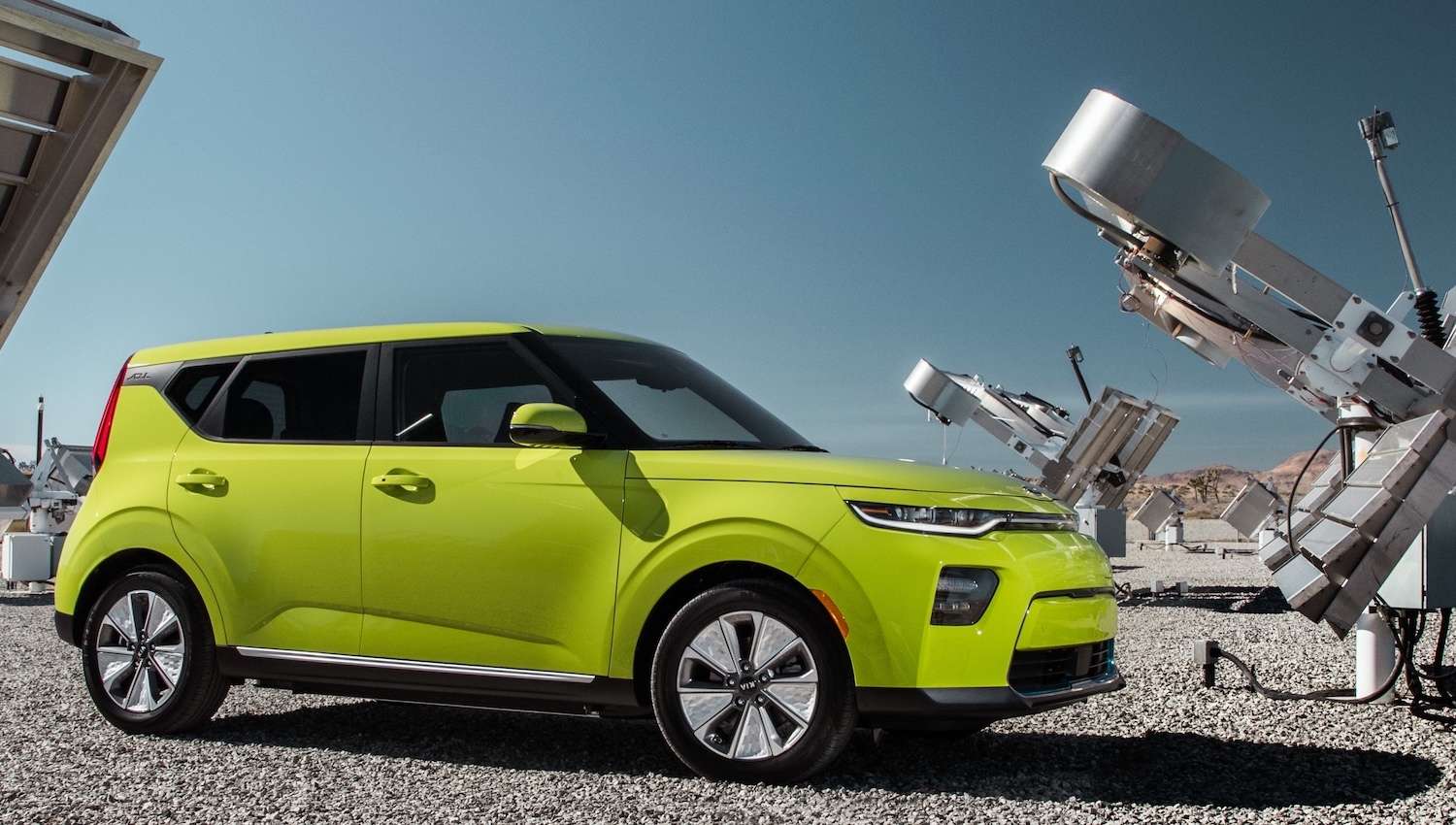
The 2018 Kia Soul EV is the fourth model year of Kia’s first mass-market electric vehicle, and it marks an important evolution in the brand’s approach to everyday electrification. For drivers who want zero-emission performance without sacrificing practicality, the Soul EV strikes a thoughtful balance between city efficiency, functional design, and engaging daily usability. This update brought a noticeable increase in battery capacity, making it more competitive for urban commuters and first-time EV adopters alike.
Trim Structure and Pricing
Kia structured the 2018 Soul EV lineup around simplicity and choice. Buyers could decide between two main trims that offered varying levels of features without changing the core electric drivetrain.
Available Trims (MSRP, Excluding Destination):
- EV – $33,950
- EV+ – $35,950
The pricing placed the Soul EV within reach of environmentally conscious buyers and positioned it competitively among small electric vehicles. While destination and handling fees would apply in final pricing, Kia’s strategy was to offer choice without confusion.
Motor, Battery, and Performance
At the heart of the Soul EV is a reliable electric powertrain that prioritizes smooth delivery over outright performance numbers. This mirrors the vehicle’s mission as a hands-on, day-to-day electric commuter rather than a performance EV.
Key Specifications:
- Electric Motor: A/C Synchronous Permanent Magnet
- Power Output: 109 hp
- Torque: 210 lb-ft
- Battery Pack: 30 kWh Lithium-ion polymer
- EPA Estimated Range: 111 miles
- Efficiency (MPGe): 124 city / 93 highway / 108 combined
This battery upgrade from previous model years provided a modest but meaningful range increase over earlier versions, making short work of daily commutes and errands. The flat battery pack under the floor also helps keep a lower center of gravity and improves interior space utilization.
Exterior and Interior Design
Visually, the Soul EV stays true to the distinctive and upright profile that has defined the Soul family since its inception. It feels more like a compact crossover with electric spirit rather than a typical hatchback, and that carries through into practicality.
Inside, the Soul EV offers generous headroom and thoughtful cargo space — features that make it easy to live with day-to-day. The boxy design isn’t glamorous, but it’s purposeful, giving passengers roominess that rivals some conventional gasoline-powered compacts.
Charging Options and Daily Use
The 2018 Soul EV supports multiple charging strategies:
- Level 2 Home Charging: Full charge in roughly 5 hours
- DC Fast Charging: Quick top-ups on the go
This flexibility makes it simple to recharge overnight at home or grab quick top-ups during errands or longer journeys (where chargers are available). For typical commuters driving around 40–60 miles per day, this level of accessibility comfortably fits daily life.
Imagine a driver living a few miles from work with occasional errands downtown — plugging in at home overnight easily covers all weekday needs and leaves buffer capacity for weekends without stress.
How It Compares to Alternatives
In 2018, the EV market was quickly diversifying, and the Soul EV competed with other compact electric cars that offered varying combinations of range, power, and price. Below is a snapshot of how it lined up against a couple of key rivals:
| Model | Battery | EPA Range | Power Focus | Practical Strength |
|---|---|---|---|---|
| 2018 Soul EV | 30 kWh | ~111 miles | Balanced | Excellent space use |
| Nissan Leaf | 40 kWh | ~150 miles | Range-oriented | Stronger range |
| Chevrolet Bolt EV | 60 kWh | ~238 miles | Long-range | Top distance for trips |
While the Leaf and Bolt offered longer range, the Soul EV’s spacious interior and upright design gave it an edge for buyers prioritizing comfort and usability in urban environments. It didn’t chase highway dominance — but it didn’t have to for its target audience.
Practical Strengths for Everyday Drivers
The Soul EV’s real appeal lies in daily life usability. It isn’t about breaking range records; it’s about offering a comfortable, easy-to-live-with electrified experience without compromise on cargo space or interior sort-of quirks that smaller EVs often sacrifice.
- Quiet and Relaxed Driving: Instant torque and silent operation make commuting a more comfortable experience, especially in stop-and-go traffic.
- Cargo Flexibility: Maximum cargo capacity competes well with small SUVs, making the EV useful for shopping, travel, or weekend gear.
- Low Running Costs: Electricity costs are predictable, and maintenance is generally lower than conventional internal combustion vehicles.
Real owners often appreciate these strengths most — the Soul EV feels like a car you adapt to easily, not one that asks you to change your routines drastically.
Limitations to Consider
Of course, no vehicle is without trade-offs:
- Range is modest compared to newer EVs or those with larger batteries.
- In extreme weather conditions, real-world range can tighten.
- For frequent highway travel, additional charging planning is recommended.
Within the context of its era and design philosophy, however, these limitations are not deal breakers — especially for buyers focused on urban commuting and routine daily use.
Related: 2017 Kia Soul EV Overview
Conclusion
The 2018 Kia Soul EV represents an important chapter in electrification for everyday drivers. It doesn’t headline its way into conversations with lofty range claims or track numbers, but it does win the day with practical design, intuitive usability, and sensible electric performance.
For commuters, small families, or first-time EV buyers, the 2018 Soul EV delivers a comfortable and confidence-boosting electric experience that fits regular life rather than forcing change. It’s not the longest-ranged EV of its time, but it is one of the most well-rounded and approachable.
Frequently Asked Questions
Is the Soul EV good for highway driving?
It handles highway speeds comfortably, but its range is optimized more for city and suburban use than long non-stop interstate trips.
How long does charging take?
Level 2 home charging completes in about five hours, while DC fast charging can replenish a significant amount of range during a short break.
Does it support fast charging?
Yes — standard DC fast charging is included, making it flexible on longer routes.
Is the cabin space generous?
Yes — its boxy design translates to impressive interior headroom and cargo capacity compared with many compact vehicles.
Is the Soul EV a good first electric car?
Absolutely — it’s easy to live with, straightforward to use, and requires minimal adaptation for new EV drivers.