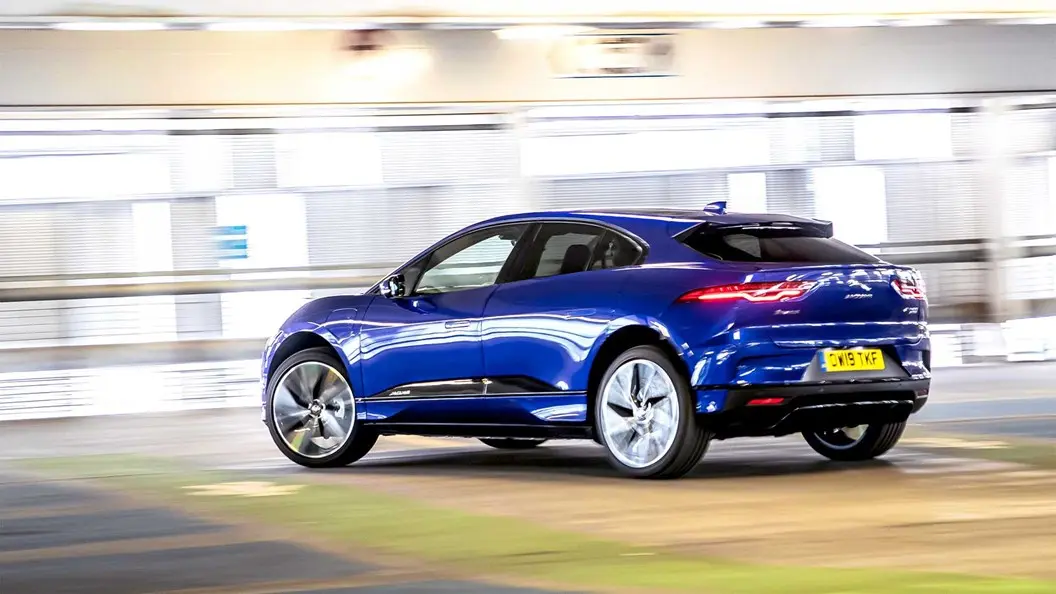
Used electric vehicles are no longer a niche experiment tucked into the back corner of dealer lots. They are moving quickly, often faster than comparable gasoline cars, and buyers are increasingly treating them as smart, practical purchases rather than risky bets. Recent market data shows a clear shift: once a used EV appears for sale, it doesn’t sit around for long. The reasons behind this trend are grounded less in hype and more in everyday economics and real-world ownership experience.
What’s happening now feels like a turning point. Early adopters have already absorbed the steep depreciation hit that came with first-generation EVs. As a result, second owners are stepping into modern, well-equipped vehicles at prices that finally make sense.
Why used electric vehicles are suddenly in demand
For years, the biggest knock against EVs was cost. New models carried premium price tags, and incentives didn’t always bridge the gap. That equation changes dramatically on the used market. Today, the average used EV is priced close to a used gasoline car, sometimes within a few hundred dollars. In many cases, the EV is newer, better equipped, and cheaper to operate.
Fuel savings are a major driver. A buyer shopping used is often budget-conscious, and electricity costs are far more predictable than gas prices. Charging at home can cut monthly “fuel” expenses by hundreds of dollars compared to filling up at the pump. Over a year or two, that difference becomes impossible to ignore.
Then there’s maintenance—or rather, the lack of it. Used EVs appeal to buyers who want fewer surprises after purchase. No oil changes, no spark plugs, no exhaust systems, and far fewer moving parts. Regenerative braking means brake pads last longer, and routine service visits are minimal.
From my own experience test-driving a used EV as a daily commuter, the absence of maintenance anxiety was striking. Weeks passed without thinking about service intervals, fluid changes, or engine noises—something that rarely happens with older gas cars.
Technology advantage over used gas cars
Another quiet advantage of used EVs is how modern they feel. Because mass-market EV adoption accelerated only in the past decade, many used electric vehicles are relatively new. Features like Apple CarPlay, adaptive cruise control, digital dashboards, and advanced safety systems are far more common in used EVs than in similarly priced gasoline cars from earlier model years.
This creates an interesting situation on dealer lots. A buyer comparing a five-year-old gasoline sedan with cloth seats and basic infotainment against a three-year-old EV with a large touchscreen and driver-assist features often finds the EV more appealing—even before considering fuel savings.
Battery fears versus real-world data
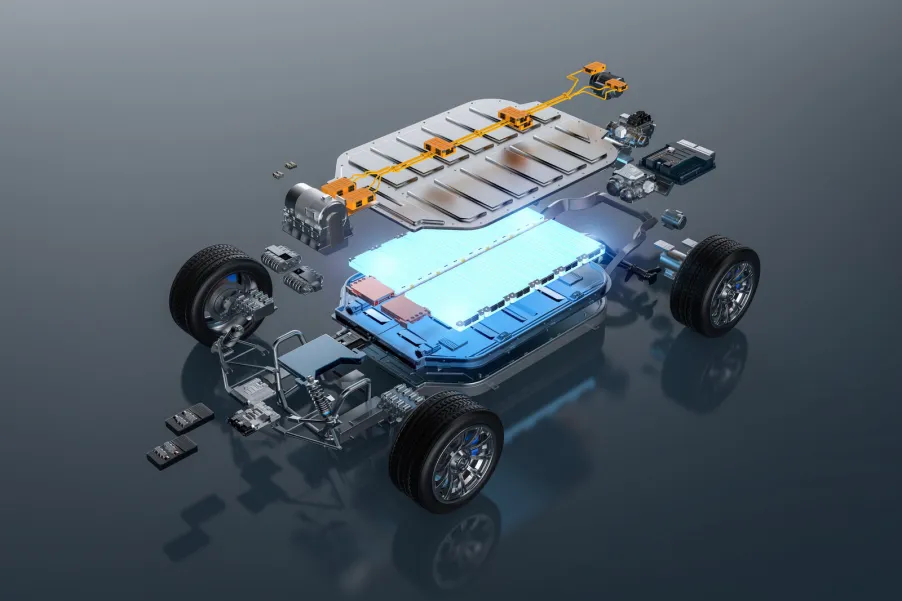
Battery degradation was once the biggest psychological barrier to buying used EVs. Early concerns suggested batteries would fail quickly and cost a fortune to replace. Real-world data has largely debunked that fear.
High-mileage EVs have demonstrated impressive battery longevity. In documented cases, vehicles with over 200,000 miles still retain most of their original capacity. Modern battery management systems, improved chemistry, and conservative charging buffers have all contributed to this durability.
While no battery lasts forever, the evidence increasingly suggests that batteries often outlive other components buyers worry about in used gasoline vehicles, such as transmissions or turbochargers.
Where used EVs fit—and where they don’t
Used EVs aren’t perfect for everyone. Long-distance road trips can still require more planning, especially in regions with limited fast-charging infrastructure. Charging stops, while improving, are not always as quick or convenient as refueling a gasoline car.
That said, for drivers whose routines involve commuting, errands, school runs, and predictable travel, used EVs fit seamlessly. Consider a real-world scenario: a household with a 40-mile daily commute and home charging. That driver may go weeks—or months—without ever visiting a public charger. In that context, an EV doesn’t feel restrictive; it feels liberating.
Interestingly, some drivers report that highway travel in EVs is actually more comfortable than in gas cars. Smooth acceleration, quiet cabins, and one-pedal driving reduce fatigue over long stretches, even if charging breaks are required.
How used EVs compare to used gas cars
The appeal becomes even clearer when comparing ownership realities side by side.
| Factor | Used EVs | Used Gas Cars |
|---|---|---|
| Average Purchase Price | Similar | Similar |
| Fuel Costs | Much lower | Higher, variable |
| Maintenance | Minimal | Moderate to high |
| Technology Features | More modern | Often outdated |
| Daily Driving Comfort | Very high | High |
| Long Road Trips | Planning required | Easy |
This comparison highlights why used EVs are selling faster. For many buyers, the advantages outweigh the limitations, especially when most driving happens close to home.
Depreciation works in buyers’ favor
One of the strongest arguments for buying used EVs is depreciation. New EVs can lose value quickly due to rapid technology advancement and shifting incentives. For second owners, that depreciation is an advantage. You’re buying after the steepest drop, which reduces financial risk and improves resale stability.
This also means used EV buyers can afford models that were once out of reach. Premium brands, longer-range variants, and higher trims become accessible without luxury-car pricing.
The role of charging infrastructure
Charging access remains a key consideration. Home charging dramatically improves the used EV experience, but it’s not mandatory for everyone. Public charging networks have expanded significantly, especially along major highways and urban corridors. While not perfect, the infrastructure today is far more usable than it was just a few years ago.
Buyers who research charging availability in advance often find that their concerns fade quickly after ownership begins.
Where the used EV market is headed
The surge in used EV sales suggests this is not a temporary spike. As more EVs age into the used market and battery confidence continues to grow, availability will increase and prices may stabilize further. This could make used EVs one of the most compelling value segments in the entire automotive market.
Manufacturers, dealers, and even lenders are adjusting. Extended battery warranties, certified used EV programs, and better resale data are all signs that the market is maturing.
Related: Porsche vs. Luxury SUVs: Where Emotion, Utility, and Status Collide
Conclusion
Used EVs are selling fast because they solve real problems for real people. They offer modern technology, lower running costs, and reduced maintenance at prices comparable to traditional used cars. While they aren’t ideal for every lifestyle, many drivers find that the benefits outweigh the trade-offs almost immediately.
As buyers become more informed and infrastructure continues to improve, used EVs are no longer the future—they’re a practical, present-day solution that’s earning its place in driveways everywhere.
FAQs
Are used EVs cheaper than used gasoline cars?
Purchase prices are often similar, but EVs usually cost less to operate and maintain over time.
How long do EV batteries last?
Real-world data shows many batteries retain strong capacity well past 200,000 miles, depending on use and charging habits.
Are used EVs good for road trips?
They can be, but require more planning than gasoline cars. For daily driving, they are often more comfortable and convenient.
Do used EVs need less maintenance?
Yes. With fewer moving parts and no oil changes, maintenance costs are typically much lower.
Who should consider buying a used EV?
Drivers with predictable daily routes, access to charging, and a desire to lower fuel and maintenance costs are ideal candidates.