Summary
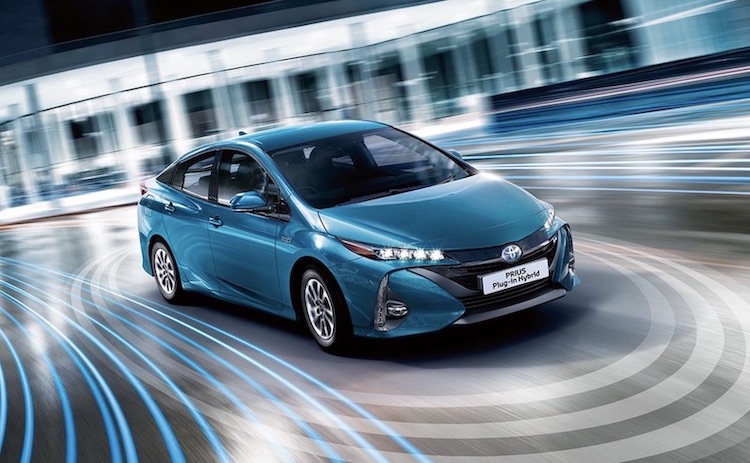
The Toyota Prius hybrid is still the benchmark commuter car for people who want big fuel savings without EV charging anxiety. This guide distills the must-knows—from real-world fuel economy and AWD-e to battery warranty, driver-assist tech, and five-year costs so first-time hybrid shoppers and used-car browsers can buy with confidence. Where we cite specs or ratings, we link you to primary sources.
Why the Prius still makes sense
If you’re cross-shopping hybrids, the Prius brings a rare mix of efficiency, everyday practicality, and proven reliability. The latest generation pairs a 2.0-liter engine with Toyota’s hybrid system, delivering standout EPA numbers (as high as 57 mpg combined on base FWD trims) and available AWD-e for snowbelt confidence. It also includes Toyota Safety Sense 3.0 driver assists standard.
Quick comparison: trims, MPG and AWD-e
| Trim | Drivetrain | EPA city / hwy / combined (mpg) | AWD-e available? |
|---|---|---|---|
| LE | FWD | 57 / 56 / 57 | Optional AWD-e |
| LE AWD | AWD-e | 53 / 54 / 54 | Standard on LE AWD |
| XLE | FWD | 52 / 52 / 52 | Optional AWD-e |
| Limited | FWD | 52 / 52 / 52 | Optional AWD-e |
| XLE/Limited AWD | AWD-e | 49 / 50 / 49 | Yes |
EPA estimates shown here reflect current model-year guidance widely cited by automakers and outlets (always verify your exact build on fueleconomy.gov before purchase).
Fuel economy: what to expect (and why it varies)
- City-heavy driving often matches or beats the sticker. Hybrids recapture braking energy and can run the engine less at lower speeds (that’s why city mpg is so strong on the Prius). The Prius’s regenerative braking and engine/motor blending are what make that possible.
- Bigger wheels and AWD cost a few mpg. stepping from LE FWD to AWD-e or higher trims adds weight/rolling resistance, which is why their EPA combined ratings dip.
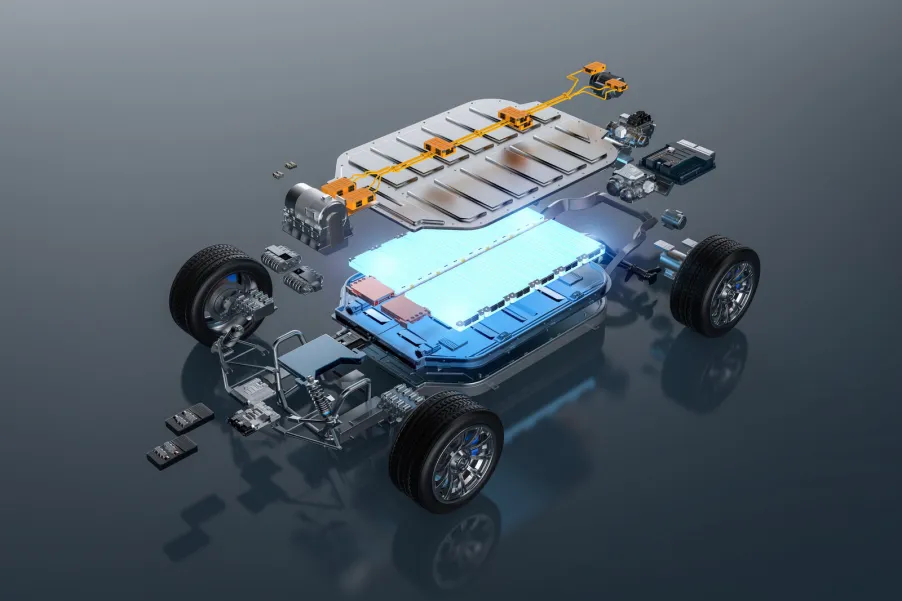
- Cold weather? AWD-e trims use a NiMH pack chosen for resilience in low temperatures. Toyota adopted NiMH chemistry for AWD-e durability in cold climates.
Realistic range math: With 54–57 mpg combined and an 11.3-gal tank (varies by trim), most owners see 500–600 miles between fills if they drive gently and keep tires at spec. Always consult your window sticker/EPA listing for your exact vehicle.
Battery life, warranties, and long-term confidence
- Hybrid battery warranty: Toyota covers the hybrid (HV) battery for 10 years/150,000 miles from first use, whichever comes first (model year 2020+). That is one of the strongest HV battery warranties among mass-market hybrids.
- Hybrid components: Toyota also publishes separate coverage for electric drive components; read your Warranty & Maintenance Guide for fine print.
- How the pack lasts: Hybrids maintain a middle state-of-charge and lean on regen, both of which help extend life versus deep cycling—one reason many older Priuses still run on original packs. (Charging strategy and regen basics from U.S. DOE resources.)
Safety & driver assistance: TSS 3.0 and crash results
Every new Prius includes Toyota Safety Sense 3.0: Pre-Collision System with Pedestrian Detection, Dynamic Radar Cruise Control, Lane Departure Alert with Steering Assist, Lane Tracing Assist, Road Sign Assist, and more. Toyota also adds Proactive Driving Assist (PDA) on certain models to gently assist with braking/steering in specific, low-risk scenarios. These features are driver assists, not substitutes for attentive driving.
Crash testing has been a strong suit: the 2024 Prius earned IIHS Top Safety Pick+, and 2025 testing/press mentions continue to indicate top-tier results—always confirm the exact year/trim you’re buying on IIHS before you sign.
What AWD-e is (and isn’t)
AWD-e is an on-demand electric rear axle that adds traction when slip is detected; there’s no driveshaft from the engine to the rear. It’s seamless for the driver, excellent in rain/snow starts, and light enough to keep efficiency high. In earlier generations, Toyota paired AWD-e with NiMH packs for cold-weather robustness—a design choice that explains some chemistry differences you’ll read about in Prius forums.
5-year costs: what the numbers say
Edmunds’ True Cost to Own (TCO) for a 2025 Prius shows very low fuel and maintenance outlays and modest depreciation compared with non-hybrids. Depending on trim, Edmunds models $32k–$40k in five-year TCO, including fuel, tax, insurance, maintenance, and repairs (assumptions vary use their tool for your ZIP).
Practical steps / checklist
- Start with your drive cycle.
- City/suburban miles? Prioritize LE FWD for the best EPA 57-mpg combined rating.
- Snowbelt or steep driveways? Consider LE AWD-e; the mpg penalty is small.
- Audit your wheel/tire choice. Bigger wheels look great but can shave mpg and ride compliance; stick to 17-inch if efficiency matters most.
- Confirm safety tech by VIN. Use the build sheet to ensure your Prius has TSS 3.0 (it should) and check IIHS for your specific year before purchase.
- Run the numbers. Plug local fuel prices, miles, and financing into Edmunds TCO and fueleconomy.gov tools to validate payback vs. alternatives.
- Understand the warranty. The 10-year/150k-mile HV battery coverage is a Prius highlight—read the booklet so you know what’s covered.
- Drive for hybrid gains. Smooth throttle, anticipate stops to harvest regenerative braking, and keep tires properly inflated.
- Used shoppers: Verify software updates and hybrid health with a pre-purchase inspection; request service records showing coolant, brake fluid, and 12-V battery history.
Common mistakes & how to avoid them
- Treating TSS as autopilot. Driver-assist features mitigate risk but can’t see everything. Keep hands/eyes engaged.
- Ignoring wheel/tire impact. Jumping to 19-inch wheels for looks can reduce mpg and add tire replacement cost. Check EPA ratings by trim and wheel size.
- Overestimating AWD benefits. AWD-e helps with traction from a stop, not high-speed handling on ice. Invest in quality winter tires if you face real snow.
- Skipping warranty fine print. The HV battery warranty is excellent, but coverage requires following maintenance schedules. Read the official document.
- Not comparing total ownership cost. A low monthly payment can hide higher insurance or depreciation. Use a TCO model.
FAQ
1) What real-world mpg can I expect?
Many owners see mid-50s combined in mixed driving with LE FWD; AWD-e and larger wheels trend a few mpg lower. Cold weather, hills, and short trips reduce mpg most. Check your exact trim’s EPA label and compare to outlets like
2) How does regenerative braking feel?
It’s mostly seamless. Light decel blends motor regen first, then friction brakes as needed. You’ll feel more decel when you lift early—good for efficiency.
3) How long will the hybrid battery last?
Toyota backs the HV battery for 10 years/150,000 miles (model year 2020+). Many Prius packs last far longer, but lifespan depends on climate and care.
4) Is AWD-e worth it?
If you face slick starts, unplowed side streets, or steep driveways, yes—it adds rear-axle assist when slip is sensed with a small mpg cost. For dry/warm regions, FWD maximizes efficiency.
5) How safe is the Prius?
The 2024 model earned IIHS Top Safety Pick+; 2025 testing and press notes show continued strong performance. Always verify your year/trim on IIHS before purchase.
6) How does the Prius compare to rivals like Kia Niro or Honda Civic Hybrid?
Independent tests show the Prius typically leads in mpg and power vs. Niro and competes closely with the Civic Hybrid’s refinement; warranty and pricing vary. Cross-shop all three.
7) What about the Prius Prime (plug-in)?
That’s the plug-in version with a larger battery for electric-only miles (roughly 39–44 miles by trim) and a hybrid mode around high-40s mpg. It’s great if you can charge; otherwise, the standard Prius remains simpler.
Related: General Motors cuts EV production: what’s changing and why it matters
Conclusion
For eco-conscious commuters and cost-savvy buyers, the Toyota Prius hybrid remains the most complete, low-effort path to slashing fuel bills without plugging in. Choose LE FWD for peak mpg, AWD-e if you battle weather, and verify safety and specs for your exact VIN. The warranty coverage on the hybrid battery is a long-term confidence booster, and five-year ownership costs remain among the lowest in the segment. Use the checklist above, sanity-check your numbers with the linked tools, and you’ll step into the right Prius—new or used—with eyes wide open.