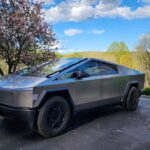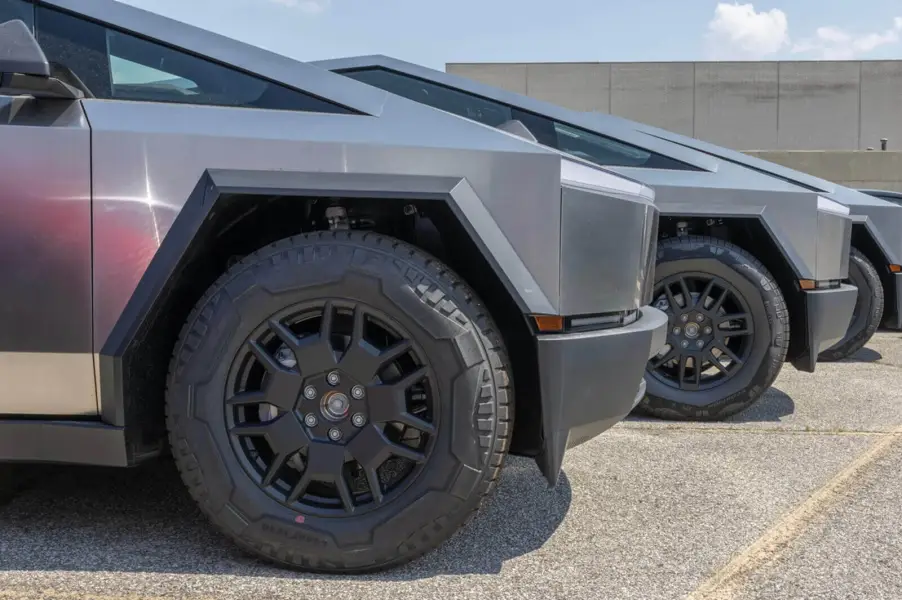
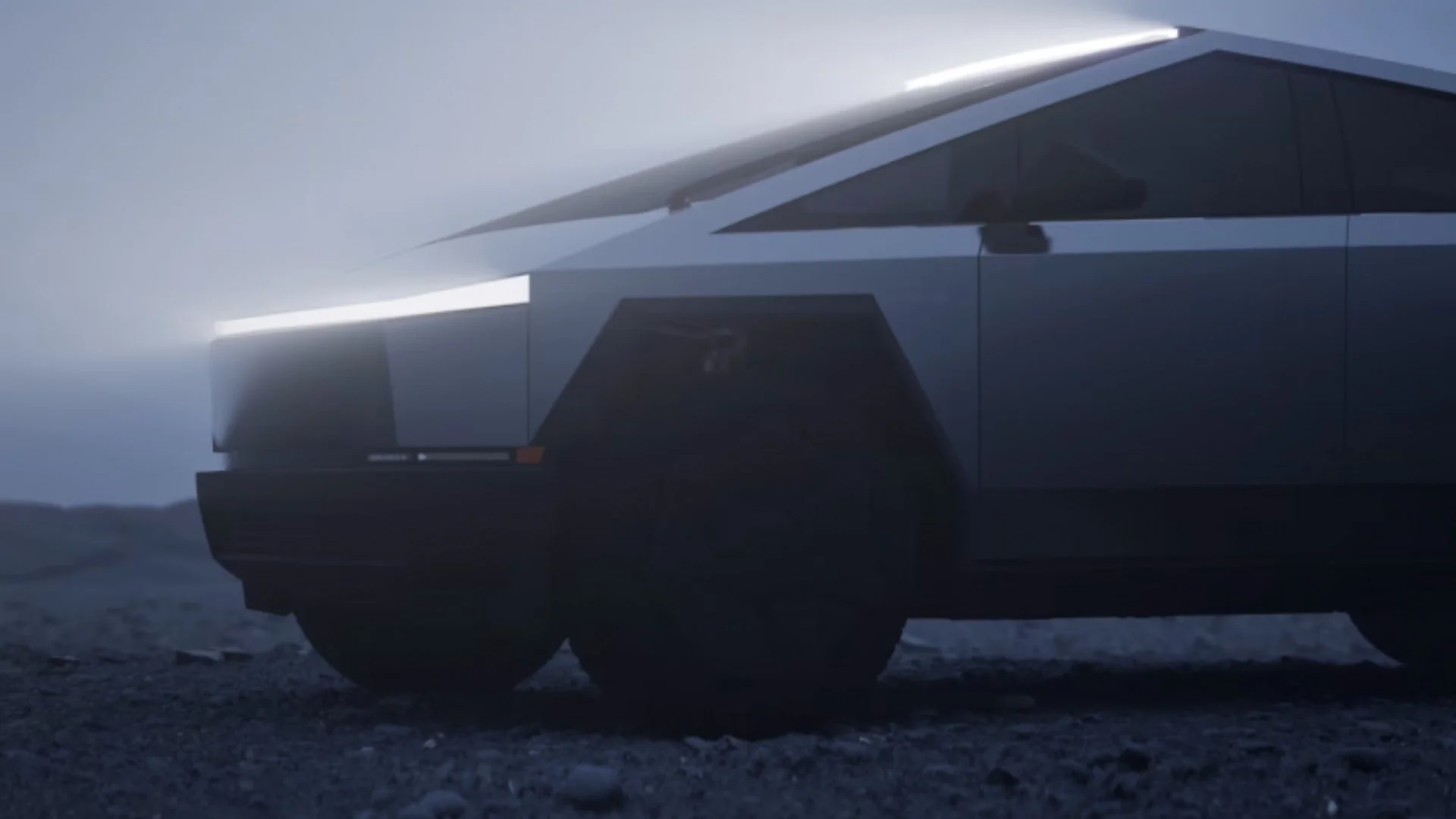
The idea of adding an overhead light bar to a Tesla may seem unconventional at first, especially for a brand known for clean lines and minimalist design. However, as Tesla expands into utility-focused vehicles and adventurous use cases, the concept of a Tesla over light bar particularly on the Cybertruck has moved from novelty to practical accessory. Whether installed for off-road visibility or aesthetic enhancement, overhead lighting on Tesla vehicles brings both advantages and important considerations.
What an Over Light Bar Means in the Tesla Ecosystem
An over light bar refers to a roof-mounted or overhead LED lighting system designed to improve forward visibility beyond standard headlights. In Tesla’s lineup, this concept gained mainstream attention with the Cybertruck, a vehicle explicitly marketed for durability, off-road capability, and overlanding scenarios.
Unlike traditional trucks, Tesla vehicles rely heavily on software integration and regulatory compliance. That makes lighting accessories more complex than simply bolting on aftermarket hardware. Tesla’s approach blends physical components with service-level installation and strict usage limitations.
Tesla’s Official Cybertruck Over Light Bar
Tesla introduced an official off-road light bar accessory specifically for the Cybertruck, branded under the UP Invincible® name. The unit features a 50-inch double-row LED design delivering high-intensity illumination for trail driving, remote terrain, and low-light environments.
This accessory is not intended for regular on-road use. Legal restrictions in many U.S. states limit the use of auxiliary lighting on public roads, which is why Tesla configures the system strictly for off-road operation. Control integration is intentionally limited, and activation typically falls outside everyday driving modes.
The installation is performed by Tesla service technicians rather than end users, reinforcing Tesla’s preference for controlled modifications rather than owner-installed hardware.
The 2025 Cybertruck Light Bar Recall Explained
In late 2025, Tesla issued a recall affecting approximately 6,200 Cybertrucks equipped with the optional over light bar. The issue stemmed from improper adhesive used during installation, which in some cases caused the light bar to loosen or partially detach.
This created a potential road hazard, particularly at highway speeds. Some owners reported wind noise, visible gaps between the light bar and roofline, or vibration during driving. Tesla responded by offering inspections and corrective fixes, including reattachment or replacement where necessary.
The recall highlighted a key reality of advanced vehicle accessories: even factory-approved components must meet strict mechanical and safety standards, especially when mounted externally.
Installation, Mounting, and Legal Constraints
One of the most misunderstood aspects of Tesla over light bars is installation and usage legality. Tesla does not currently enable fully integrated, always-on overhead lighting for street use. This limitation is intentional.
Most U.S. vehicle codes restrict forward-facing auxiliary lights above a certain height or brightness for on-road driving. Tesla designs its lighting accessories to comply with these laws, even if that means reduced functionality compared to traditional off-road trucks.
Because installation is handled by Tesla technicians, owners cannot easily modify mounting methods or wiring without voiding warranties or risking compliance issues.
Aftermarket Light Bar Options for Tesla Vehicles
Beyond Tesla’s official offering, a growing aftermarket industry caters to Tesla owners seeking additional lighting solutions. These options vary widely in complexity and purpose.
Some aftermarket solutions focus on interior illumination, such as USB-powered LED strips for center consoles, footwells, or ambient cabin lighting. These are generally low-risk, easy to install, and purely aesthetic.
Exterior aftermarket light bars exist for certain Tesla models, but they typically require custom brackets, independent wiring, and careful consideration of legal restrictions. Unlike traditional trucks, Tesla vehicles are not designed with auxiliary mounting points, making improper installations risky.
Companies like DIY Wrap Club (formerly TESBROS) have contributed to the broader Tesla customization culture, emphasizing reversible modifications that avoid permanent alterations.
Practical Applications and Use-Case Considerations
Consider a Cybertruck owner who regularly travels to remote desert trails or overland campsites. Standard headlights may be adequate on highways but fall short when navigating unlit terrain after sunset. An overhead light bar dramatically expands the field of view, illuminating obstacles, trail markers, and wildlife well beyond the reach of factory lighting.
At the same time, that same owner must remain aware that the light bar cannot legally be used when returning to paved roads. This dual-use reality defines Tesla’s lighting philosophy: powerful when needed, restricted when required.
Reliability, Maintenance, and Ownership Experience
Overhead lighting systems are exposed to wind, debris, weather, and vibration. Proper mounting is critical, as demonstrated by the Cybertruck recall. Tesla’s response underscored the importance of professional installation and periodic inspection.
From an ownership perspective, Tesla’s willingness to acknowledge and correct the issue reinforced trust, even if the recall itself raised concerns. Long term, owners should periodically check mounting integrity, listen for wind noise, and address any visible gaps early.
Design Philosophy Versus Utility
Tesla’s approach to over light bars reflects a broader design tension. The brand prioritizes aerodynamics, efficiency, and visual simplicity, while accessories like light bars emphasize rugged utility.
The Cybertruck bridges this gap more naturally than other Tesla models. Its angular design, stainless-steel body, and off-road positioning make overhead lighting feel purposeful rather than intrusive. On sedans or crossovers, however, such additions can clash with Tesla’s core design language.
Related: EV and Plug-In Hybrid Buyers: Guide to Choosing
Conclusion
A Tesla over light bar is not merely an accessory; it represents Tesla’s cautious expansion into utility-focused enhancements. On the Cybertruck, the official off-road light bar delivers meaningful visibility improvements for off-road use while remaining constrained by legal and safety considerations. The 2025 recall served as a reminder that even factory-approved accessories demand rigorous execution.
For Tesla owners, the key lies in understanding purpose, legality, and installation quality. When used as intended, an overhead light bar can significantly enhance capability without compromising safety or compliance.
FAQs
Is Tesla’s over light bar legal for road use?
No. Tesla configures the Cybertruck light bar strictly for off-road use due to U.S. lighting regulations.
What caused the Cybertruck light bar recall?
An installation adhesive issue led to potential detachment, prompting Tesla to inspect and correct affected vehicles.
Can I install an aftermarket light bar on my Tesla?
It is possible, but not recommended without professional guidance, as improper installation can affect safety, legality, and warranty coverage.
Are there safer lighting upgrades for Tesla vehicles?
Interior LED lighting and low-profile accent lighting are safer, non-invasive options commonly used by Tesla owners.
Does Tesla fix recalled light bars for free?
Yes. Tesla offered inspections and corrective repairs or replacements for affected Cybertrucks.