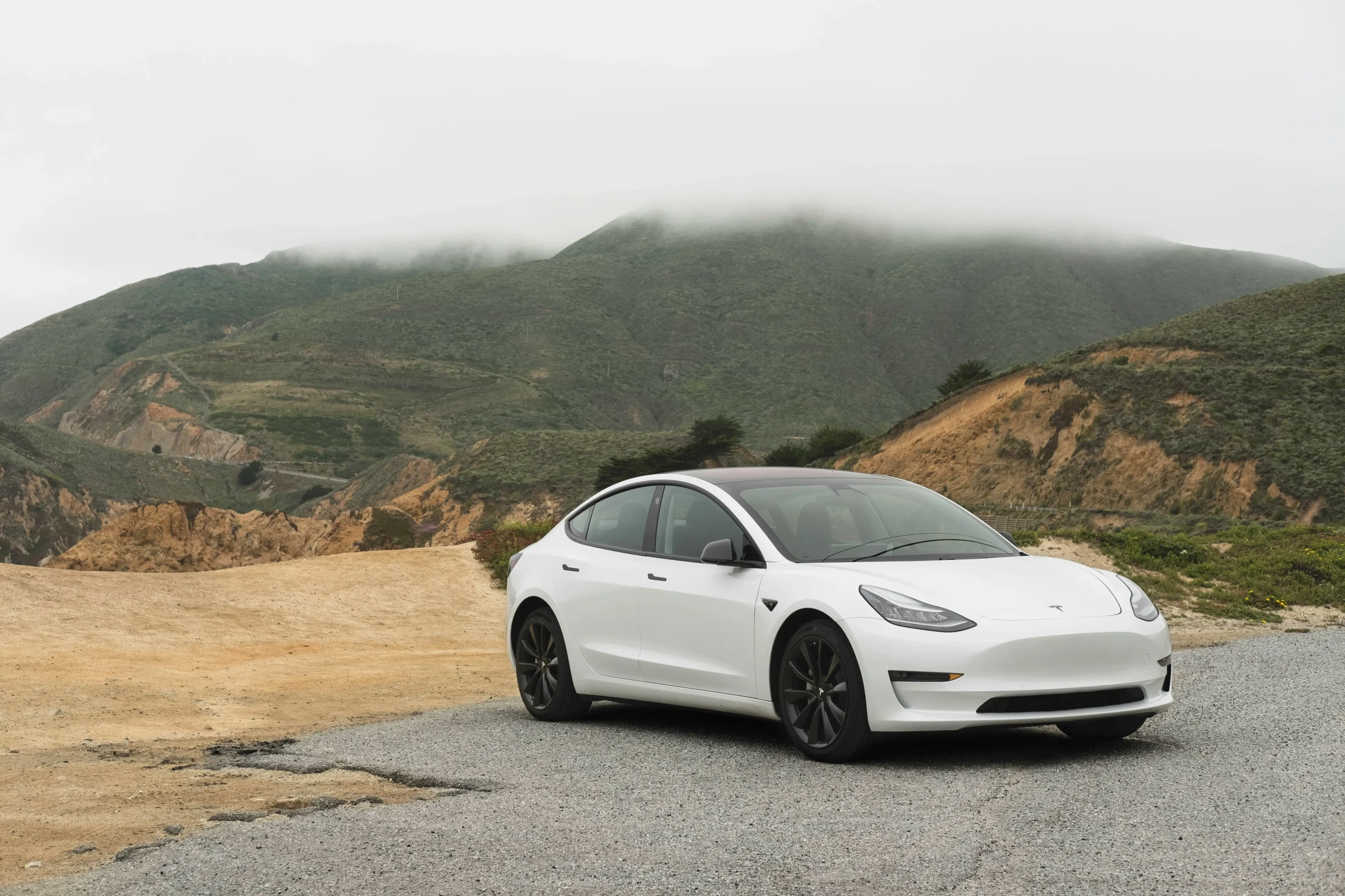
Few vehicles have reshaped the global auto market as decisively as the Tesla Model 3. What began as an ambitious attempt to make electric mobility mainstream has evolved into one of the world’s most widely adopted EVs. Its success is not built on novelty alone, but on a combination of efficiency, performance, software-driven refinement, and an ownership ecosystem that continues to influence how competitors design their own electric sedans.
As of the 2026 model year, the car enters its next phase with meaningful updates that respond directly to customer feedback. These changes reinforce its position not just as an electric vehicle, but as a well-rounded daily driver that happens to be electric.
Design Evolution and Driving Character
The latest iteration reflects a more mature design philosophy. The exterior remains instantly recognizable, but subtle refinements improve aerodynamics and reduce road noise. Suspension tuning has been revised to deliver a smoother ride, addressing one of the most common critiques of earlier versions. This makes highway cruising more composed while maintaining the quick steering response that drivers expect.
One of the most talked-about updates is the return of physical turn-signal stalks. After a brief experiment with steering-wheel-mounted buttons, Tesla reversed course for global models, restoring a familiar control layout that improves usability in everyday driving. This move signals a broader trend: efficiency and minimalism matter, but not at the expense of intuitive operation.
Interior, Technology, and Comfort
Inside, the cabin reflects Tesla’s minimalist ethos while adding elements that elevate comfort. The “Highland” refresh introduces ventilated front seats, a feature that noticeably improves long drives in warm climates. Customizable ambient lighting allows drivers to adjust the cabin atmosphere, while rear passengers benefit from an 8-inch touchscreen that controls climate and entertainment.
Acoustic glass now surrounds the cabin, significantly reducing wind and road noise at higher speeds. This change makes the interior feel more premium and aligns the experience closer to traditional luxury sedans.
The central 15.4-inch touchscreen remains the command center for nearly all vehicle functions. It is fast, responsive, and frequently updated over the air. While the absence of Apple CarPlay and Android Auto continues to divide opinion, Tesla’s native system offers deep integration with navigation, charging, and vehicle settings that third-party platforms cannot fully replicate.
Performance Options and What They Mean for Drivers
The lineup offers three distinct configurations, each tailored to a different type of buyer.
The rear-wheel-drive version focuses on efficiency and value. With an estimated range exceeding 360 miles, it suits drivers who prioritize daily commuting and long-distance travel without frequent charging stops.
The all-wheel-drive Long Range configuration balances traction and acceleration with extended usability in colder climates or varied terrain. It appeals to drivers who want confident performance year-round without sacrificing range.
At the top sits the Performance variant, capable of sprinting from 0–60 mph in under three seconds. While its range is slightly reduced, the acceleration rivals sports cars costing far more, proving that efficiency and excitement are no longer mutually exclusive.
How It Stacks Up Against Rivals
| Category | Tesla Model 3 | Typical Electric Sedan Competitor |
|---|---|---|
| Driving range | Class-leading efficiency | Competitive but often lower |
| Acceleration | Extremely quick across trims | Varies by model |
| Software updates | Frequent OTA improvements | Limited or dealer-based |
| Charging access | Extensive fast-charging network | Fragmented infrastructure |
| Interior philosophy | Minimalist, tech-centric | More traditional layouts |
This comparison highlights why the Model 3 remains difficult to displace. It is not perfect, but it consistently delivers strength across more categories than most competitors.
Charging and Ownership Ecosystem
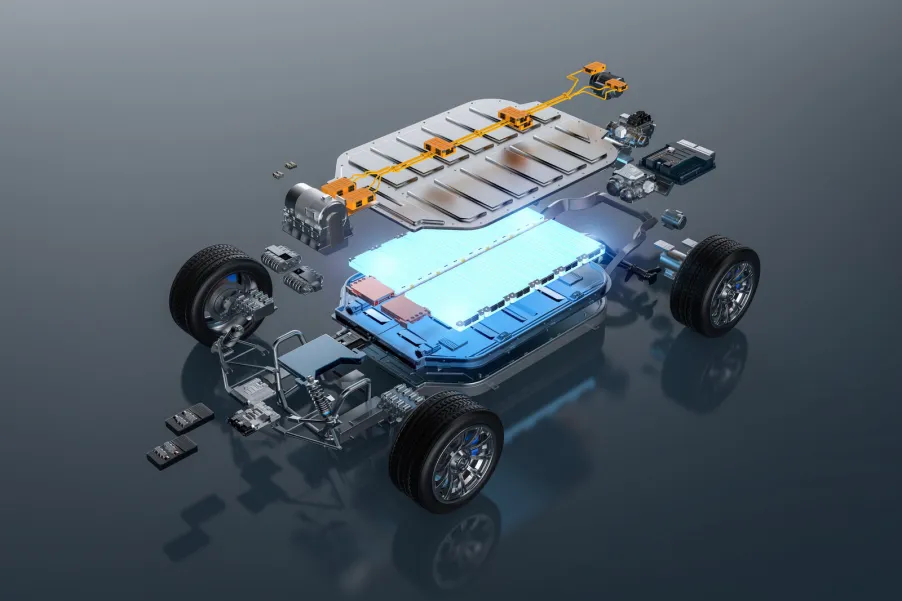
One of the defining advantages is access to the Supercharger network. Fast, reliable charging remains a key concern for EV buyers, and Tesla’s infrastructure continues to set the standard. Adding up to 175 miles of range in around 15 minutes makes long-distance travel realistic rather than aspirational.
Ownership costs are also influenced by fewer moving parts and reduced routine maintenance compared to gasoline vehicles. Software updates regularly add features or refine performance, meaning the car can feel improved years after purchase rather than outdated.
During a long road trip last year, I personally appreciated how seamlessly the navigation system routed me through fast chargers without requiring extra apps or planning—it simply worked, which reduced stress more than expected.
Safety and Driver Assistance
Safety remains a central pillar. The vehicle consistently earns high crash-test ratings, supported by a rigid structure and low center of gravity from the battery pack. Standard features include automatic emergency braking, lane departure avoidance, and adaptive cruise control.
Tesla’s driver-assistance system continues to evolve through software updates. While it still requires attentive supervision, incremental improvements have made highway driving more relaxed and predictable.
Real-Life Suitability Beyond the Spec Sheet
Consider a professional living in a suburban area with a daily commute, occasional weekend road trips, and limited time for maintenance. The Model 3 fits naturally into this routine. Overnight home charging covers daily driving needs, while fast charging supports longer journeys. The cabin’s quietness and smooth ride make traffic less fatiguing, and the performance ensures merging or overtaking is effortless.
This blend of practicality and enjoyment explains why the car appeals to such a broad audience, from first-time EV buyers to seasoned enthusiasts.
Global Reach and Regional Availability
While Tesla maintains direct sales in many markets, availability varies by region. In countries without official manufacturing or sales operations, the Model 3 is often imported through private dealers. In markets such as Pakistan, pricing fluctuates widely depending on trim, model year, and import duties, reflecting both demand and logistical complexity.
Despite these challenges, demand remains strong, underscoring the car’s global appeal even where infrastructure and official support are limited.
What Makes the Model 3 Hard to Replace
The most compelling value lies not in any single feature, but in how seamlessly everything works together. Range, performance, charging, software, and safety form a cohesive ownership experience. Rather than excelling in one area while compromising in others, the Model 3 delivers consistency, which builds long-term trust among owners.
Related: General Motors cuts EV production: what’s changing and why it matters
Conclusion
The Tesla Model 3 continues to justify its reputation as a benchmark electric sedan. With thoughtful updates for 2026, it addresses past criticisms while reinforcing the strengths that made it successful. Its balance of efficiency, performance, technology, and charging convenience keeps it relevant in an increasingly crowded EV market. For buyers seeking a proven electric vehicle that integrates smoothly into everyday life, it remains one of the most compelling choices available.
FAQs
Is the Model 3 still a good buy in 2026?
Yes. Ongoing refinements and software updates keep it competitive against newer rivals.
Which version offers the best balance of range and performance?
The Long Range AWD configuration provides a strong mix of acceleration, traction, and usable driving distance.
Does it support smartphone integration like Apple CarPlay?
No, Tesla relies on its built-in infotainment system instead of third-party platforms.
How reliable is long-distance travel?
Access to the Supercharger network makes road trips straightforward and predictable.
Is it suitable for first-time EV buyers?
Its ease of use, charging support, and low maintenance requirements make it one of the most approachable EVs on the market.