Summary
Tesla is facing multiple high-profile legal battles in 2025, from wrongful-death and class-action cases tied to Autopilot, to allegations of workplace discrimination, to new Cybertruck crash lawsuits, to state-level fights over direct sales. This plain-English guide summarizes each major case, where it stands now, and what it means for safety, software, resale value, and insurance.
The headline Tesla lawsuits right now
1) Elon Musk’s $56B pay package: Delaware appeal in final stage
In January 2024, a Delaware Chancery Court judge rescinded Elon Musk’s record compensation plan, citing flaws in process and disclosure. Shareholders later re-voted, but the trial court said the re-vote didn’t cure the underlying issues. In October 2025, the Delaware Supreme Court heard arguments on Tesla’s appeal; a ruling will shape how far boards can go on mega-pay under Delaware law, the preferred home for U.S. incorporations.
Why it matters to owners: A loss could prompt governance changes and potential management distraction; a win could reduce uncertainty. Neither outcome changes your warranty or OTA updates, but stock volatility can influence brand sentiment and, indirectly, resale confidence.
2) Autopilot wrongful-death cases and class actions: A turning point
After years of mixed outcomes, 2025 brought the first federal wrongful-death verdict against Tesla tied to Autopilot: a Miami jury awarded ~$243 million (including $200 million punitive). Tesla plans to appeal. Soon after, two separate 2019 California crash suits settled confidentially ahead of trial. These cases sit alongside NHTSA’s earlier software-recall campaign (late 2023) that tightened driver-engagement checks for Autopilot via OTA updates.
Why it matters to owners: Expect continued software refinements (more alerts, stricter attentiveness checks). Some insurers may scrutinize driver-assist claims after a large verdict. For resale, documented software recall completion can be a plus.
3) Cybertruck crash lawsuits & recalls: design questions under the microscope
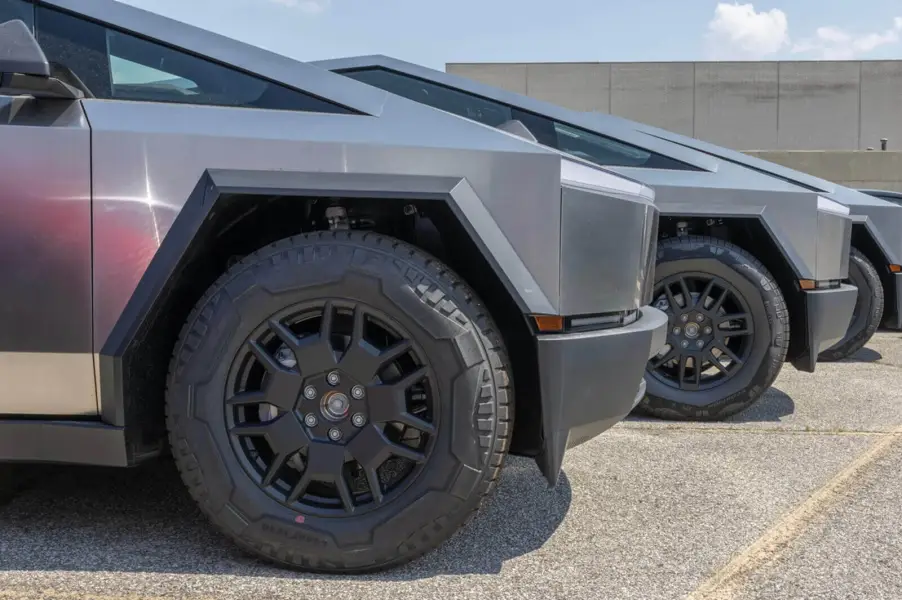
Two families sued in October 2025 after fatal Northern California Cybertruck crashes, alleging design defects (including door egress after power loss). Meanwhile, Cybertruck has seen multiple recalls since launch, most notably the April 2024 accelerator-pedal pad issue (3,878 trucks), addressed via part replacement and OTA support. Late October 2025 brought another recall over parking-light brightness—again fixable via software.
Why it matters to owners: Confirm all recalls are closed in your app; learn the manual door-release procedure for your model; keep emergency tools handy. Prospective buyers should verify recall status and inspect build dates.
4) Workplace race-discrimination litigation (Fremont & beyond)
Tesla faces government and private actions alleging pervasive racial harassment at its Fremont plant. The EEOC’s 2023 federal suit remains a key case to watch. Separately, in April 2025 Tesla settled a different harassment lawsuit brought by a Black employee (terms undisclosed). Prior, the high-profile Owen Diaz case resulted in a reduced award after retrial (~$3.2M).
Why it matters to owners: These are workplace—not product—cases. However, outcomes can affect brand reputation, labor stability, and investor pressure—factors that can trickle into customer perception and long-term resale sentiment.
5) “Tesla Vision” & Australia class action (phantom braking, range, FSD claims)
In 2025, Australian owners filed a class action alleging “phantom braking,” overstated range, and unfulfilled self-driving promises in Model 3/Y with camera-only “Tesla Vision.” Claims spotlight the global debate over ADAS limits and marketing. Multiple Australian consumer and industry sources are tracking the case.
Why it matters to owners: While filed in Australia, similar allegations (phantom braking, range estimates) have surfaced in other markets. Expect continuing OTA calibrations and messaging shifts around driver-assist capabilities.
6) Direct sales & service: state-by-state battles continue
Tesla’s direct-to-consumer model still collides with dealer-franchise laws. In mid-2025, Tesla settled a long-running Louisiana case over sales restrictions after an appeals court revived key claims in 2024. Elsewhere, several states still restrict direct sales, with patchwork rules for leasing, deliveries, and service.
Why it matters to owners: Depending on your state, you may face different purchasing and service workflows. In restricted states, deliveries or order processing may occur out-of-state, and lobbying/legal change remains incremental.
Quick comparison table
| Case / Issue | Core Allegation | Where it Stands (Oct 31, 2025) | Why Owners Should Care |
|---|---|---|---|
| Musk pay package | Board process & disclosure flaws | On appeal at Delaware Supreme Court after Chancery rescission; re-vote deemed insufficient by lower court | Governance stability & investor sentiment; no direct effect on vehicle software/warranty |
| Autopilot wrongful-death | Defect/misrepresentation of driver-assist | $243M Miami verdict (appeal planned); two 2019 CA cases settled pre-trial | May drive stricter driver-monitoring and insurer scrutiny; keep software current |
| Cybertruck lawsuits | Egress/door design; crash survivability | Multiple October 2025 suits after fatal crashes; ongoing recalls since launch | Verify recall completion; learn manual egress steps; consider build date |
| EEOC/CRD race cases | Workplace harassment & retaliation | EEOC suit active; separate Fremont-related suit settled April 2025 | Brand reputation & workforce stability; indirect resale effects |
| “Tesla Vision” (AUS) | Phantom braking, range, FSD claims | Federal Court class action filed/expanding; owners registering | Signals scrutiny of camera-only ADAS; watch for OTA updates and feature notes |
| Direct sales | State franchise law limits | LA case settled; many states still restrict sales/service | Purchase & service logistics differ by state; policy may evolve |
Practical steps / checklist for Tesla owners & shoppers
- Close recalls promptly. Open the Tesla app → Service → Recall; verify accelerator-pedal (Cybertruck) and lighting fixes are applied. Keep proof of recall compliance for resale.
- Use Autopilot as designed. Hands on wheel; eyes on road; understand operational design domain (e.g., limited-access roads). Expect more alerts if attention wanes.
- Know your manual overrides. Learn manual door releases and how to exit if vehicle loses power (varies by model). Practice safely in a driveway.
- Document everything. If involved in an incident, preserve dashcam/Sentry footage, service logs, software versions, and VIN recall history.
- Check state rules before purchase. If your state limits direct sales, ask Tesla or your insurer about delivery/service logistics and insurance implications.
- Read release notes. OTA updates can change driver-assist behavior; skim release notes and re-enable settings after major updates.
- Insurance talk. Share driver-assist usage honestly with your insurer; ask about discounts or requirements after software recalls/verdicts.
Common mistakes & how to avoid them
- Assuming “Autopilot” = self-driving. It’s advanced driver-assist, not autonomous. Treat it like cruise control with extra help; you remain responsible.
- Ignoring recall emails/app banners. Delays can affect safety and resale; many fixes are quick or OTA.
- Not knowing emergency egress. Electric latches behave differently after power loss—practice manual releases.
- Forgetting state-law quirks. In restricted states, purchasing/servicing can require workarounds; plan ahead.
- Skipping documentation. Without logs, footage, and update history, claims (insurance or legal) are harder.
FAQ
1) Does the Musk pay appeal affect my car or software?
Not directly. It’s a corporate-governance case. The main impact is investor sentiment and management focus—not your OTA updates or warranty.
2) After the Miami verdict, is Autopilot riskier to use?
Use it as designed: attentive, hands on wheel, eyes forward. The verdict reflects how a jury assessed Tesla’s design/marketing in a specific crash. Expect continued driver-engagement tightening in software.
3) I’m considering a Cybertruck—should I be worried?
Check recall status by VIN and learn emergency egress. The suits raise questions a court will resolve; Tesla has addressed specific issues via recalls and OTA updates. Test thoroughly on your routes.
4) What’s the racial-discrimination litigation about?
Government and private cases allege harassment at Fremont and other sites. One case settled in April 2025; the EEOC’s federal suit continues. These don’t change your vehicle’s safety features but can affect brand reputation.
5) I’ve experienced phantom braking—what can I do?
Ensure you’re on the latest software, submit a service ticket with timestamps/location, and report via NHTSA’s portal if in the U.S. The Australian class action keeps pressure on camera-only systems; OTA tuning continues.
6) Can I buy/service a Tesla directly in my state?
It depends. Some states still restrict direct sales (Louisiana recently settled one milestone case; others remain contested). Ask Tesla about your local process before ordering.
7) Do these lawsuits hurt resale value?
Short-term headlines can move sentiment, but maintained vehicles with closed recalls and documented service/updates tend to hold value better than those without records.
Related: Charging Needs of EV Drivers: A Practical Buyer’s Guide for Real-World Life
Conclusion
For Tesla owners and EV-curious readers, 2025 is a consequential legal year. The Musk pay appeal will set governance expectations; Autopilot cases are pushing tougher driver-engagement rules and insurance scrutiny; Cybertruck suits and recalls underline the importance of recall compliance and emergency-egress familiarity; workplace suits test Tesla’s culture; global class actions keep pressure on ADAS marketing; and direct-sales fights continue state by state.
Your best move is practical, not partisan: keep software and recalls current, understand your car’s manual overrides, document everything, and know your state’s sales/service rules. The lawsuits will play out in courts, but informed owners can manage risk—and value—today.