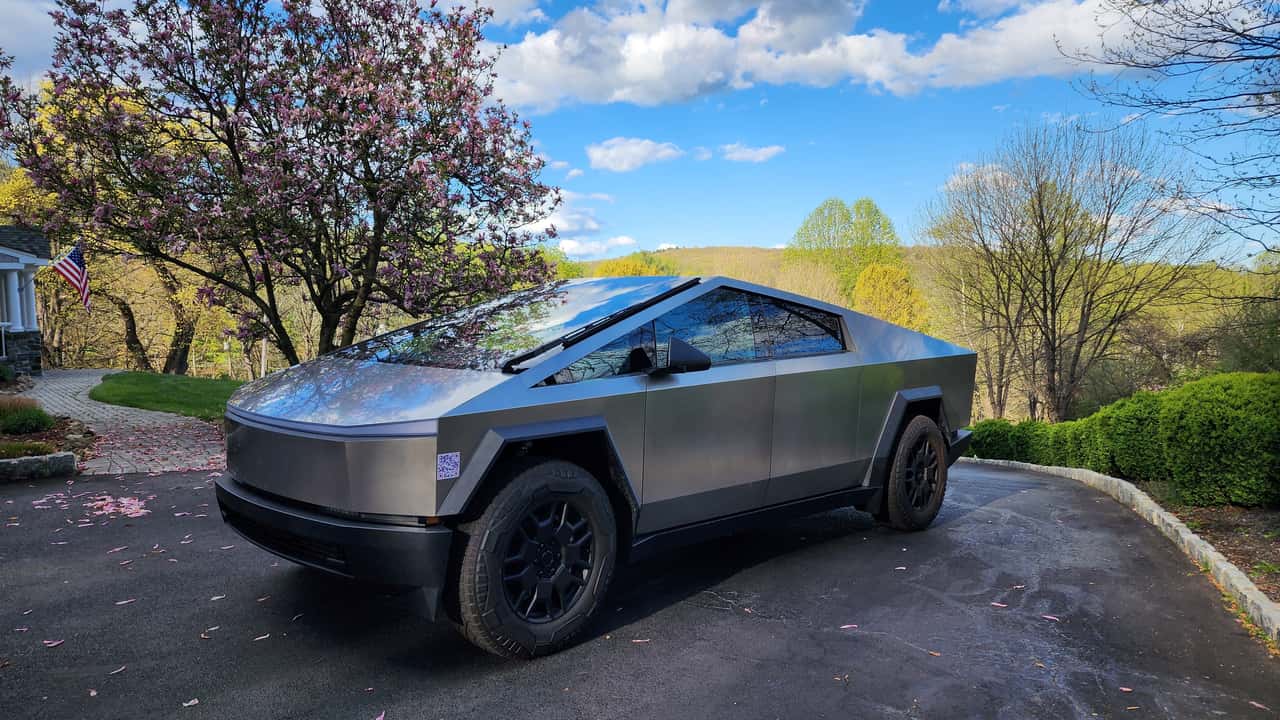
Summary
The Tesla Cybertruck is a stainless-steel, angular electric pickup that blends sports-car acceleration with full-size truck capability. This guide explains trims, range, charging, towing, pricing dynamics, interior features, and how it compares with the Ford F-150 Lightning and Rivian R1T so shoppers can make a confident decision.
What The Tesla Cybertruck Is And Why It Matters
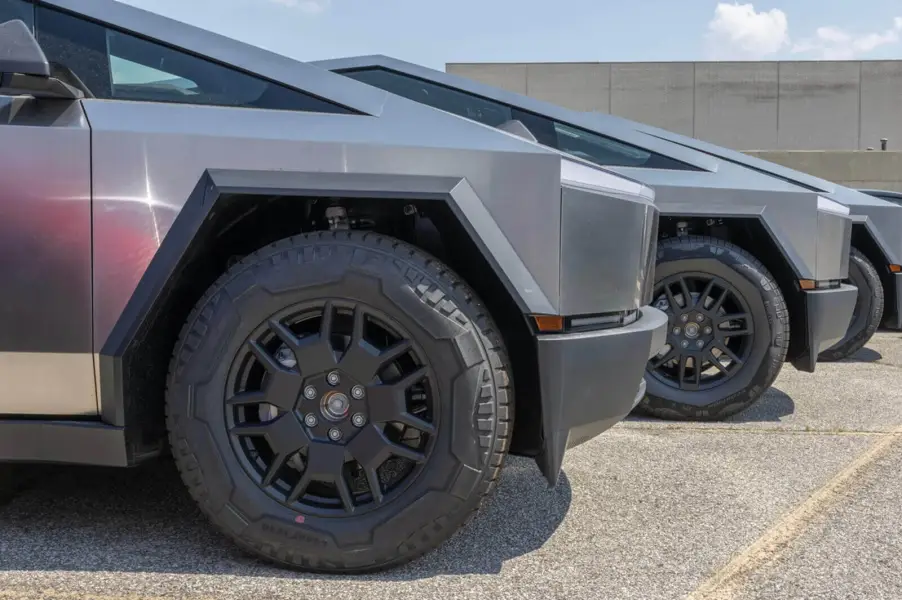
Cybertruck is Tesla’s first battery-electric pickup, built in Austin with deliveries that began in late 2023 and continuing through 2025. It uses thick stainless exterior panels, steer-by-wire, rear-wheel steering, and an adjustable air suspension to deliver tight low-speed maneuvering and a surprisingly compliant ride for a truck. The bed integrates power, hidden storage, and a powered tonneau, while the interior centers around large displays up front and in the rear. The design is polarizing, but that is the point: a future-forward truck that looks and behaves like nothing else on the road.
Trims, Performance, Range, And Charging
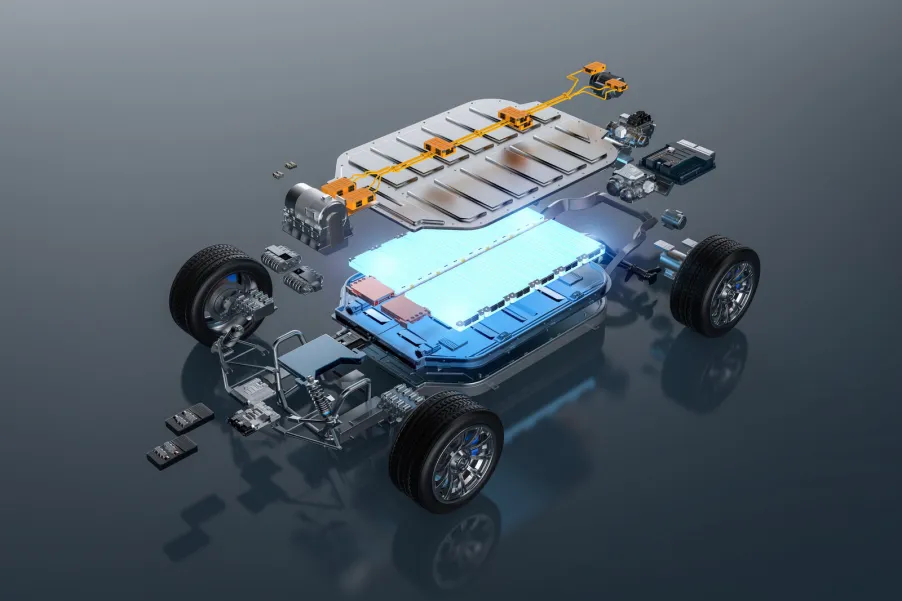
Most shoppers will see two main configurations in 2025: a dual-motor all-wheel-drive model and a tri-motor performance variant often referred to as Cyberbeast. The AWD model targets a balanced mix of range and towing; the performance model focuses on launch speed while maintaining truck duties. Claimed ranges are in the low three hundreds of miles depending on wheels, tires, and climate. Fast charging can add a meaningful chunk of range in a short session if you arrive with a warm pack and low state of charge. For daily life, plan most charging at home using a 240-volt circuit so you start every day with a full battery and minimize public-charging time.
Real-world range always varies. Cold weather, high speeds, heavy payloads, aggressive acceleration, and off-road tires can reduce efficiency. To keep results predictable, precondition the battery before a fast-charge stop, use heated seats over blasting cabin heat, and keep speeds moderate on long trips.
Towing, Payload, And Utility
Cybertruck’s headline rating is eleven thousand pounds of max towing, competitive with modern half-ton pickups. Payload is substantial for an EV truck, and the composite bed handles daily abuse. As with every electric pickup, towing heavy loads at highway speeds can cut range by half or more depending on trailer shape and conditions. The upside is excellent low-speed control, instant torque on grades, strong brake regen on descents, and easier backing thanks to rear-wheel steering. If you regularly tow large enclosed trailers, map your route around fast chargers, leave time for extra stops, and consider a more aerodynamic trailer or a slightly slower cruise speed to reduce energy use.
Interior, Tech, And Ownership Experience
The cabin is minimalist with a large central touchscreen, a smaller rear screen, and software that updates over the air. Most settings live in menus rather than buttons. There is no native Apple CarPlay or Android Auto, so verify your media and navigation habits during a test drive. Drive-by-wire steering and rear-steer give the truck a surprisingly small turning circle, making parking lots, job sites, and tight trails easier than the exterior size suggests. The air suspension can raise for obstacles or drop for easy loading, and an extreme extract mode is available for clearance emergencies.
Stainless steel brings its own care routine. Many owners choose paint protection film or ceramic coatings on high-touch zones. Regular rinsing and pH-balanced soaps help keep the finish even. Because panels are thick and unpainted, repairs follow different techniques than conventional bodywork; ask your local collision center about training and parts availability if you live far from a Tesla-approved shop.
Pricing And Availability In 2025
Pricing has seen adjustments through 2024 and 2025. The dual-motor AWD model typically undercuts the performance variant by a wide margin, while the tri-motor performance model commands a six-figure price once destination and options are added. Availability is strongest for AWD and performance builds, while lower-priced entries and previously teased add-ons have changed status over time. Always confirm current trims, packages, and estimated delivery windows on the live configurator before you place an order or schedule financing.
Cybertruck vs Ford F-150 Lightning vs Rivian R1T
The Lightning emphasizes traditional truck ergonomics, cab comfort, and broad dealer support, with towing packages that reach five digits and an approachable learning curve for first-time EV truck owners. The Rivian R1T targets adventure with multiple motor options, strong off-road tuning, clever storage like the gear tunnel, and excellent chassis balance. Cybertruck counters with arresting design, rapid acceleration, tight turning, and the vast fast-charging footprint associated with the brand. The best choice depends on how you tow, how you load, and which cabin and software experience you prefer.
Quick Comparison Table
| Category | Tesla Cybertruck (AWD / Performance) | Ford F-150 Lightning | Rivian R1T |
|---|---|---|---|
| Peak range (approx) | Low 300s miles depending on spec | Up to ~320 miles in higher-range trims | Varies by pack and motors, generally ~260+ miles |
| Max towing | Up to 11,000 lb | Up to 10,000 lb with proper package | Up to 7,700 lb |
| Character | Futuristic, ultra-rigid exterior, rear-steer | Conventional full-size pickup feel | Adventure-oriented, off-road savvy |
| Charging network access | Broad access to high-power fast charging | Growing access, now adopting the same connector standard | Robust, improving access with the same standard |
| Interior tech | Tesla UI, OTA updates, no CarPlay/Android Auto | Familiar controls plus EV-specific menus | Adventure features, strong UI polish |
Values vary by year, trim, wheel and tire choices, temps, terrain, and payload.
Practical Steps And Buyer Checklist
- Define your primary mission. Daily commuting, mixed family duty, frequent towing, or off-road play each suggest different wheel, tire, and suspension choices.
- Drive before you decide. Test low-speed maneuvering, bed reach-in height, visibility, and how the steering ratio feels on tighter streets.
- Price it twice. Check the live configurator and reread the fine print on destination, options, and estimated delivery. Prices can move.
- Plan home charging early. Install a 240-volt circuit in a convenient spot, verify panel capacity, and discuss permits with your electrician.
- Map road trips realistically. Use ABRP-style planning or your preferred route planner, then add a buffer for weather and speed.
- Simulate a tow day. If you tow, measure tongue weight, test trailer lights, and do a short loop at highway speed to understand consumption with your trailer.
- Protect the finish. Consider film on high-impact zones, learn proper wash techniques, and keep microfiber towels on hand for quick wipe-downs.
- Think total cost. Compare fuel savings, maintenance, insurance, and potential incentives rather than fixating on MSRP alone.
- Evaluate rivals honestly. If you want a conventional cabin and broad dealer service, the Lightning is compelling. If you prioritize trail and trip flexibility with clever storage, R1T is a strong fit.
- Recheck before ordering. Confirm current trims, estimated delivery, and any changes to range, wheels, packages, or included accessories.
Common Mistakes And How To Avoid Them
Assuming rated range equals towing range. Towing a tall, heavy box at highway speeds can slash range. Build routes with chargers near your midpoint and consider slowing down ten miles per hour to gain meaningful efficiency.
Overbuying performance. The tri-motor variant is astonishingly quick, but many buyers will be happier with the dual-motor for better value and balanced range.
Ignoring wheel and tire impact. Larger wheels and aggressive tires look great but can reduce range and increase road noise. If you drive long highway stretches, choose the aero-friendlier setup.
Skipping a driveway fit check. Measure overall length, garage depth, tailgate swing, and charger cable reach. It is easier to move a bike rack than to relocate a panel.
Underestimating charging curve realities. Fast charging is quickest low to mid state of charge. Plan shorter, more frequent stops rather than one long session to 90 percent.
Neglecting finish care. Stainless is tough, yet it benefits from proper wash routines and, in harsh climates, protective film on leading edges.
FAQ
What is the real range in mixed driving
Expect something in the high two hundreds to low three hundreds for most dual-motor builds in mild weather when driven at legal highway speeds with reasonable wheels and tires. Colder temps and higher speeds reduce that figure.
How fast is the performance model
The tri-motor variant launches like a sports car while towing and payload ratings remain stout. The experience is dramatic and can be overkill for everyday commuting.
Does Cybertruck support Apple CarPlay or Android Auto
It does not. The truck uses Tesla’s own interface. Bring your phone, pair it, and verify your streaming, messaging, and maps setup during the test drive.
How much can it tow
Ratings peak around eleven thousand pounds when properly equipped. Expect more charging stops and plan routes accordingly if you tow large, blunt trailers.
How does it compare to the F-150 Lightning
Lightning favors classic truck ergonomics and broad service coverage, with up to ten thousand pounds of towing when configured correctly. If you value dealership proximity and a familiar cabin, it is worth a long look.
What about Rivian R1T
R1T leans into adventure with multiple motor choices and clever storage. Towing is lower than Cybertruck and Lightning, but the chassis tuning and off-road features are excellent for weekend explorers.
What happened to the range extender
A bed-mounted auxiliary pack was previewed earlier in the product timeline, but it is not an option for current orders. Plan around the pack you can buy today.
Related: Electric Dodge Charger: Buyer’s Guide for Performance EV Shoppers
Conclusion
Cybertruck is the rare pickup that feels like a concept car made real. The dual-motor version will suit most buyers with its blend of range, towing, and price. The tri-motor performance truck exists for those who want supercar thrust in a utility shell. Rivals deserve equal attention: Ford’s F-150 Lightning for conventional truck feel and support, and Rivian’s R1T for adventure character and clever packaging. Try them all, charge at home, plan road trips with a margin, and choose the truck that fits your life rather than the spec sheet alone.