Whether you’re daydreaming about a mountain pass or inching through school-run traffic, the tug-of-war between a Porsche and a luxury SUV is real. One side whispers about purity: steering feel, chassis balance, heritage. The other answers with practicality: space for people, pets, luggage, and life. If you’re torn between Stuttgart’s sporting soul and the plush promise of an upscale SUV, here’s a punchy, people-first guide to help you choose—without sacrificing your sanity (or style).
The Driving Experience: Physics Doesn’t Lie
Start with the truth that matters most to enthusiasts: in a Porsche, the way the car talks to you is the main event. Low seating position, tight body control, and a center of gravity that’s not trying to climb into the stratosphere—this trio gives you agility you simply don’t get in a tall, heavy SUV. Even Porsche’s own SUVs (Cayenne, Macan) feel impressively alert for their size, but a 911, 718, or Taycan grips, rotates, and brakes with different intent. Turn-in is crisper. Throttle adjustments feel like scalpel work, not broad brushstrokes.
Luxury SUVs have their own flavor of satisfying motion—silky ride tuning, confident highway stability, and commanding visibility. Air suspension and adaptive dampers erase rough pavement and coddle passengers. But add height and mass, and you’ll always trade away some immediacy. If your heart beats faster at the thought of a perfectly late apex, the Porsche sports-car/wagon formula wins on pure sensation.
Practicality & Space: The SUV Trump Card
If your life involves strollers, photo gear, dogs, or frequent airport runs, a luxury SUV is easy to love. Tall cargo holds swallow boxy items. Split-fold rear seats concede to Costco hauls. The step-in height feels natural for kids and grandparents. Roof rails? Throw on a box, bikes, or skis without overthinking.
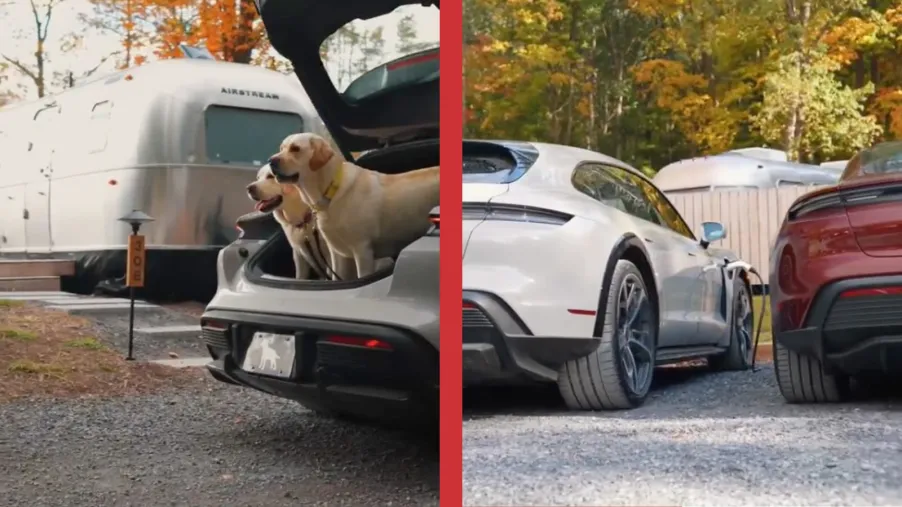
Porsche counters with thoughtful packaging in its own SUVs and—with the Taycan Cross/ Sport Turismo—clever low-slung cargo solutions. Wagons and hatchbacks often surprise with useful length and a wide opening, but sheer vertical volume is where SUVs dominate. If your weekends look like “soccer game → nursery run → beach with the labrador,” an SUV’s shape simply fits.
Performance & Powertrains: Fast Comes in Many Forms
Porsche’s performance story is deep: naturally aspirated sonatas, turbocharged torque, and EV thrust that rearranges your internal organs. Even the brand’s SUVs lean into this ethos; spec the right chassis bits and you get a family hauler that laps quicker than yesterday’s sports cars. The brand’s sedans and wagons, though, keep the handling crown—less mass up high, more grip in the right places, and steering feedback that makes mundane commutes oddly therapeutic.
Luxury SUVs across the market dish out twin-turbo V6s, V8s, plug-in hybrids, and an increasing number of full EVs. The straight-line speed can be absurd. But repeatability (heat management, brake endurance, tire life) and road feel under load still tilt toward lower, lighter machines. If “Sunday canyon” is your church, Porsche’s car-based options feel more faithful; if “Tuesday carpool” is the ritual, an SUV’s powertrain breadth and smoothness are heavenly.
Comfort, Cabin, and Tech: Two Ways to Do Premium
Luxury SUVs shine in “rolling lounge” duty: airy cabins, lounge-like rear seats, and a cocooning sense of quiet. Higher rooflines translate to easier ingress, and big glass areas add to the calm. Infotainment in premium SUVs tends to prioritize simplicity and screen real estate. You sit up high, see everything, and feel invincible.
Porsche cabins skew driver-centric. Supportive seats, just-so driving positions, and tactile controls make long trips effortless without feeling anesthetized. Materials are top-shelf, but the atmosphere leans “sports studio” over “hotel suite.” Tech is right-sized: crisp, fast, and intentionally arranged to keep your hands on the wheel and your eyes where they belong. If you live in your lane-keep prompts and massaging chairs, many luxury SUVs are unmatched. If you prefer a cockpit that fades away and lets the road do the talking, Porsche’s tune is hard to beat.
Ownership Costs & Resale: The Less Glamorous Ledger
Luxury badges carry luxury budgets. Big wheels mean expensive tires; tall profiles mean bigger brakes; hefty curb weights can accelerate wear. SUVs often use more fuel (or battery) than their car counterparts, and insurance sometimes tracks with price and repair complexity.
Porsche’s sports cars can be surprisingly frugal on consumables when driven sanely, but performance rubber and ceramic-coated fantasies still ring the register. The brand’s strong residuals—especially for iconic nameplates—help on the back end. Many luxury SUVs also hold value well, but mass-market oversupply, rapid tech turnover, and shifting tastes can nibble at depreciation. Do the math on your own mix of miles, fuel/charging rates, and maintenance; the answer may surprise you.
Safety & Confidence: Height vs. Handling
There’s an undeniable psychological safety in sitting taller. You see over traffic, anticipate chaos earlier, and feel buffered. Modern luxury SUVs pair that with advanced driver-assistance suites: adaptive cruise, lane centering, blind-spot interventions, and 360-degree cameras that make tight garages feel wide.
Porsche meets safety with structural rigor and cutting-edge assists too, but complements it with an extra layer of active safety: the ability to avoid trouble because the car responds instantly to your inputs. Shorter stopping distances, better emergency lane changes, and more predictable behavior when the unexpected happens are not just “fun”—they’re protective.
EV Angle: Range, Ride Height, and Reality
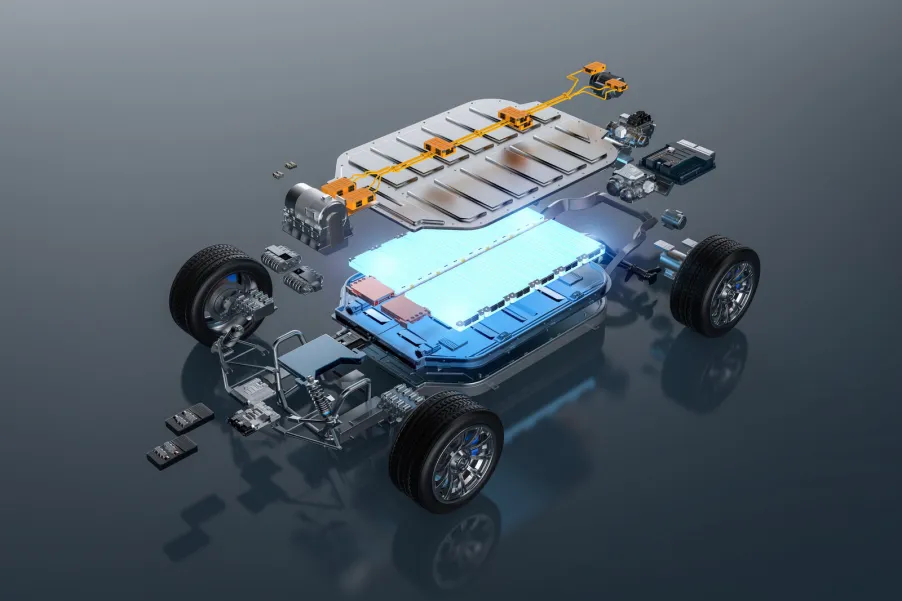
Electric SUVs are booming, but physics punishes boxes on stilts. A taller shape generally needs more energy to move through air, and extra mass strains range and braking. That’s why low EVs—sedans and wagons—often deliver better efficiency and repeatable performance. Porsche’s electric approach leans into this: keep it planted, keep it sharp, then layer on adaptive air suspension and all-wheel traction for bad weather and rougher roads.
Luxury EV SUVs counter with larger batteries and clever aerodynamics, closing the gap while offering upright space and easy access. Your use case determines the winner: daily urban hops with frequent passengers and pets may favor a premium EV SUV; long-range, driver-focused journeys spotlight the advantages of a sleek, low Porsche EV or wagon.
Image & Identity: What Story Do You Want to Tell?
A Porsche—any Porsche—signals that you care about the act of driving. It’s a handshake to fellow enthusiasts and a nod to a motorsports lineage that actually matters on the road. A luxury SUV communicates capability and success, but also generosity: room for everyone, everything, everywhere. Neither is “better”; they’re different declarations. Choose the one that aligns with your daily narrative: lone-wolf dawn drives or all-hands-on-deck errands.
Quick Buyer Matches
- Choose Porsche (sports car, sedan, or wagon) if your top priority is steering feel, road feedback, and weekend therapy on a favorite route. You carry people sometimes, things occasionally, memories always.
- Choose a Luxury SUV if you’re hauling family, gear, and pets daily, want an easy step-in height and commanding view, and prefer a calm, plush ride over razor-edge response.
- Split the difference with a performance-tuned luxury SUV (including Porsche’s own) if you need space but refuse to give up grin-inducing dynamics. Or consider a Porsche wagon/hatch for shockingly useful cargo without the SUV penalty.
Conclusion
“Porsche vs. luxury SUVs” isn’t a fight; it’s a fork in the road. If you value sensation, precision, and that peculiar joy that comes from a car shrinking around you, Porsche’s lower, lighter offerings will feel like home. If your life is a logistics puzzle with high standards for comfort, a luxury SUV feels like cheating—the good kind. The right answer is the one that gets used and loved every day. Drive them both, pack your people, bring your dog, and be honest about your routines. The best car isn’t the one that wins on paper; it’s the one that wins your week.
Related: Model 3 vs. Model Y: Which Tesla Fits Your Life and Budget