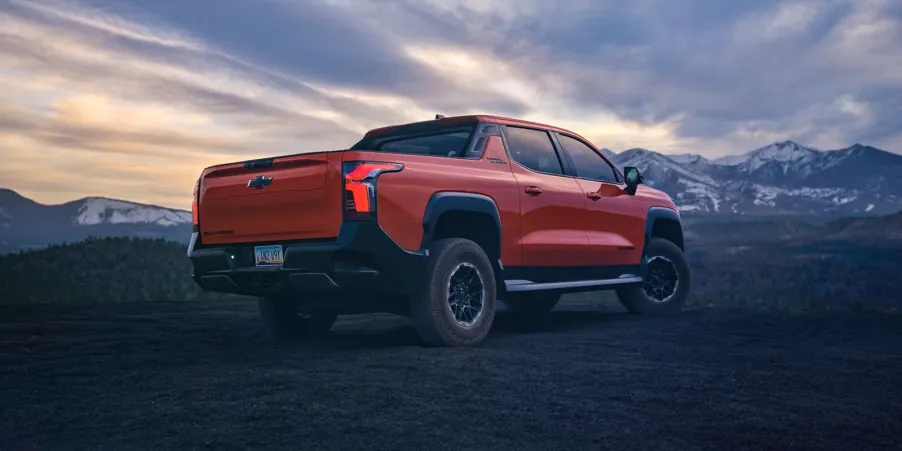
From its bold styling to its staggering capability, the Chevrolet Silverado EV is rewriting the rules of what a full-size pickup can be in the electric era. Built on a fresh-from-the-ground-up electric architecture, it offers truck utility, EV innovation and a new kind of appeal. Below we dig deep into what makes the Silverado EV tick — from powertrain to tech, performance to design, and why it matters.
1. A Fresh Platform Built for EV Performance
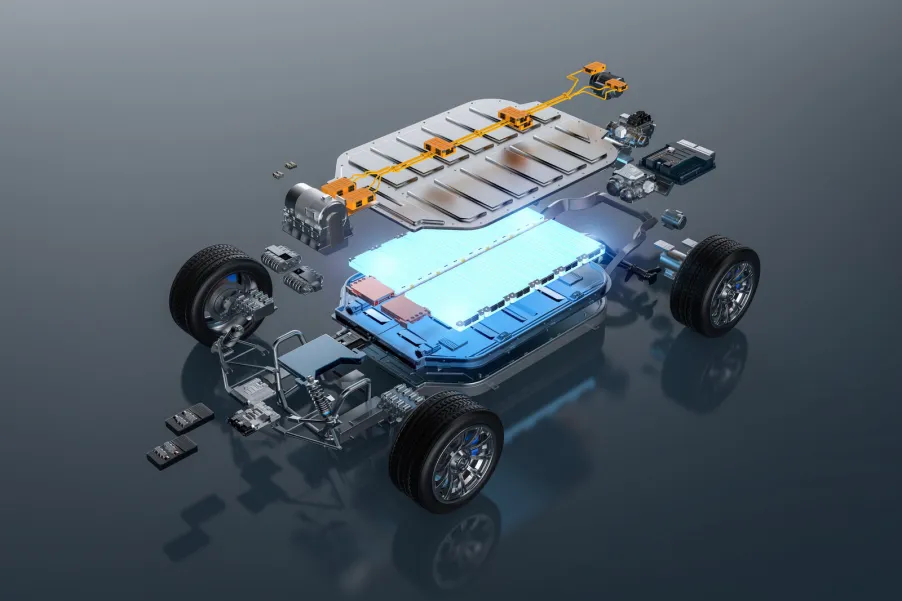
While the Silverado name may evoke the conventional internal-combustion pickups of the past, this is an entirely new machine. The Silverado EV is built on GM’s dedicated Ultium/BT1 electric platform, shared with vehicles like the GMC Hummer EV. That means: no repurposed truck chassis, but rather a design optimized for battery packaging, cabin space, and EV performance.
Production began in the U.S. at the “Factory Zero” plant (formerly Detroit/Hamtramck) in 2023. The result is a truck that retains full-size presence but has fresh proportions: wide stance, modern cues, and a functional layout tailored for electrified duty.
2. Power, Range, and Capabilities — No Compromises
One of the most compelling aspects of the Silverado EV is how seriously it takes the “truck” in truck-EV. Here are some headline metrics:
- Range: The 2025 model lineup offers up to 492 miles (GM-estimated) on a full charge in the “Max Range” variant.
- Power / Torque: With dual-motor, all-wheel drive setups, the upper trims deliver crazy strong numbers: up to 760 hp+ and 775 lb-ft of torque in some trims.
- Towing/Payload: The Silverado EV can tow up to 12,500 lbs in certain configurations, and offers robust payload capacity.
- Charging: It supports very fast DC charging (350 kW+) and is built to integrate into home charging infrastructure.
What this means is that buyers don’t have to trade capability for clean power — this truck is built to haul, carry, charge, and cover serious ground.
3. Design & Utility: More Than Meets the Eye
Externally, the Silverado EV retains the proportion and presence expected of a full-size pickup — long bed, bold front end, muscular lines — but the EV architecture unlocks some clever utility features:
- The “Multi-Flex Midgate” is offered: it allows the rear wall of the cab to fold down (and the glass to be removed) so the bed extends into the cabin, expanding load length significantly.
- The eTrunk (front trunk) offers extra storage up front, making the truck even more flexible.
- Inside: a large infotainment screen (17.7″ diagonal in many trims) plus a digital driver display (11″) make the cockpit feel modern and high-tech.
- Off-road / maneuver features: Available four-wheel steering (“Sidewinder” mode) gives the Silverado EV the ability to move diagonally at low speeds in tight spaces — a feature rarely seen on full-size trucks.
The upshot: you get the form and function of a rugged truck — but also some of the flexibility and clever features EVs enable.
4. Trim Levels, Pricing & Global Considerations
GM has structured the Silverado EV lineup to cover both commercial/work-truck buyers and retail consumers looking for luxury performance. For example:
- In the U.S., the 2025 Work Truck (WT) model is priced from around US $57,095 at launch (before incentives) for the standard-range version.
- Upper trims like the LT and RST push into higher price brackets with higher range and more premium features.
- For buyers in markets such as Pakistan, import costs, local taxes/duties and charging infrastructure will play a big part in total cost and utility. While GM hasn’t announced a Pakistan-specific launch as of now, global momentum suggests EV trucks are coming more widely.
It’s worth noting: when a vehicle offers 400+ miles of range, that also implies significant battery capacity — which raises cost, weight and potential servicing/charging considerations.
5. Why It Matters: Implications & Considerations for Pakistan / Global Market
Why should someone in Pakistan (or similar markets) pay attention to the Silverado EV? A few thoughts:
- Truck utility meets EV benefits: In many emerging-markets, pickups are workhorses — used for hauling, towing, commercial use. If an electric pickup like the Silverado EV can deliver comparable capability but with lower running costs (electric vs fuel, simpler drivetrain), that’s significant.
- Charging infrastructure & grid readiness: To fully exploit the Silverado EV’s potential (fast charging, long range), local infrastructure must support high-power charging and stable grid/electrical access. In Pakistan’s context, availability of high-capacity EV charging stations may lag.
- Operational cost savings: Over time, the cost of electricity per km might be lower than diesel or petrol, especially given rising fuel prices. Maintenance might also be simpler (fewer moving parts).
- Import/customisation & warranty concerns: If the truck is imported (rather than officially sold locally), warranty support, parts availability and service infrastructure could be challenging. Buyers must evaluate these.
- Local relevance of specs: While the Silverado EV offers up to ~492 miles (≈790 km) of range under U.S. estimates, real-world range will depend on climate, load, usage (towing), driving style, and charger access. In markets with hotter climates or less charging infrastructure, these factors may reduce usable range. Also, shipping and import costs may push sticker price much higher.
For Pakistani buyers, if such a vehicle becomes available (officially or via import), it could signal the dawn of a new segment: full-size electric pickups. It would appeal to high-end commercial users, technology-savvy buyers, or fleet operators looking to future-proof their operations.
6. Potential Challenges & What to Watch
Every vehicle has trade-offs, and the Silverado EV is no exception. Some points to watch:
- Weight & efficiency: Large battery and heavy vehicle mass mean slower braking performance in some tests. For instance, early reviewers noted that braking performance in some trims was “sub-par.”
- Price premium: Even though GM has added a “lower” entry trim ($57k USD in the U.S.), in other markets the cost may be significantly higher due to import duties, taxes, and local mark-ups.
- Charging network / availability: High-speed DC charging (350 kW) is great — but only useful where such infrastructure exists. Without a robust network or home charging solution, EV benefits diminish.
- Service parts & servicing: In countries without strong EV ecosystem, servicing large electric trucks may be costly or limited.
- Range vs real-world use: Towing heavy loads, driving off-road, or in extreme climates will reduce effective range. Buyers should moderate expectations accordingly.
7. The Future Outlook
Looking ahead, the Silverado EV is more than just a new model—it’s a signal of what the electric-truck era means for global markets. As battery costs fall, infrastructure builds out, and commercial buyers shift to zero-emission fleets, vehicles like this will become more relevant. GM has already indicated future battery chemistry innovations (such as lithium manganese-rich technology) aimed at reducing cost and improving energy density.
For markets like Pakistan, the timeline may lag a bit behind the U.S., but the technology roadmap is evident. Early adopters who can secure the vehicle, ensure charging infrastructure, and use it in applications where its capability shines (e.g., towing, commercial loads, long-haul) will get significant benefit.
Related: Researchers Reveal EV Battery With 3.6 Million-Mile Lifespan
Conclusion
The Chevrolet Silverado EV represents a powerful convergence: full-size truck capability meets next-gen electric drivetrain. With up to ~500 miles of range, strong towing/payload figures, and innovative features, it converts sceptics who thought EVs couldn’t “do pickup.” For buyers willing to invest in infrastructure and consider total cost-of-ownership, it’s a compelling proposition.
Yes, in markets like Pakistan there are extra layers—import logistics, pricing, servicing and infrastructure. But the horizon is moving. The Silverado EV isn’t just a novelty—it’s a foretaste of where trucks are going. If you’re in the market for a capability-rich vehicle with cutting-edge tech, and willing to navigate the local logistics, this EV truck is one to watch closely.