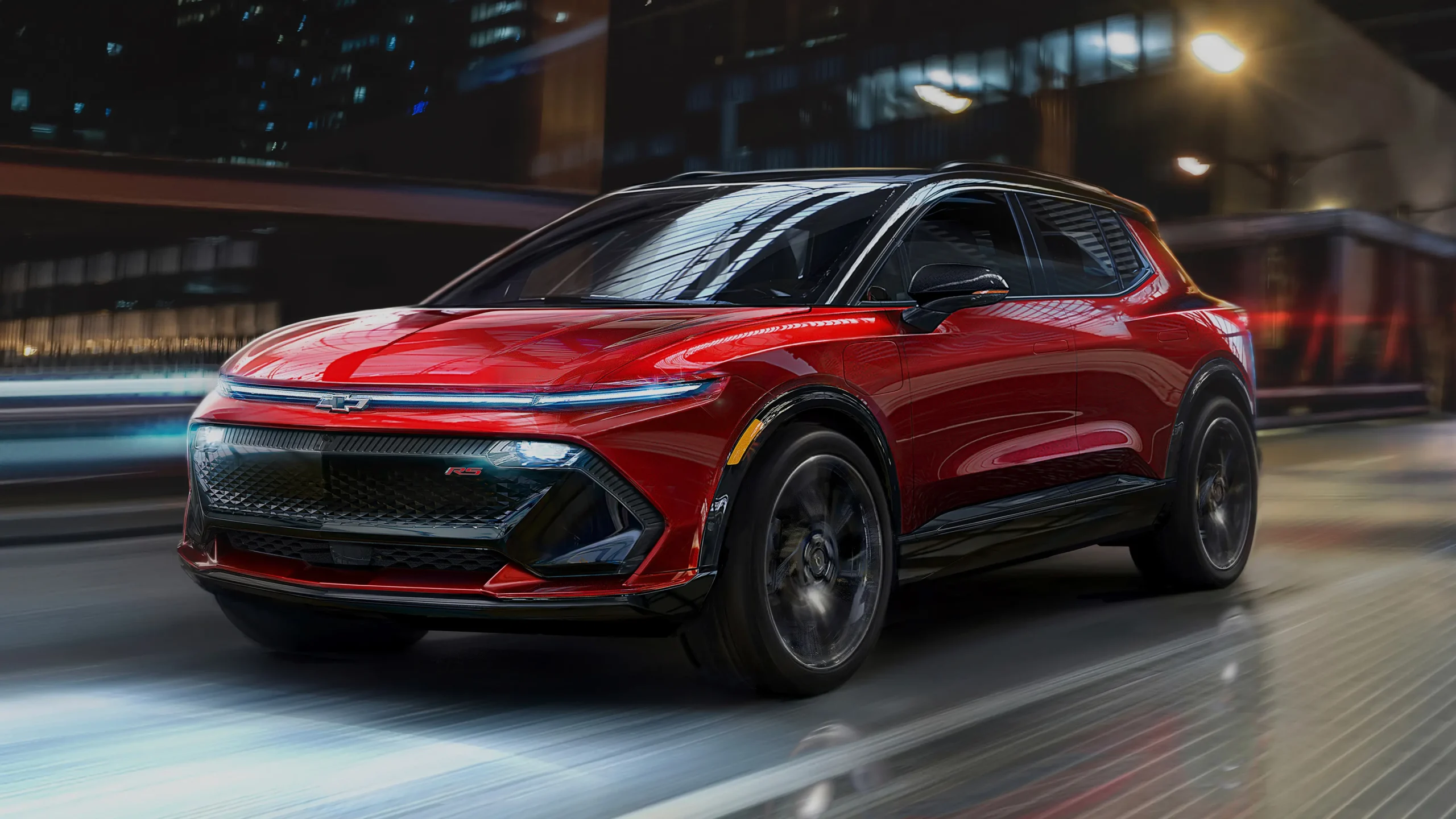
Chevrolet’s relationship with electric vehicles is long, complicated, and surprisingly influential. Long before EVs became mainstream talking points, Chevy was already experimenting with electrification in ways that felt practical rather than experimental. That early success set expectations high—and in many ways, Chevrolet has been trying to recapture that balance of usability, affordability, and innovation ever since.
Today, when people talk about Chevrolet EVs, they’re really talking about an evolution: from clever hybrids that solved real problems, to full battery-electric models that aimed big but sometimes missed everyday realities. Understanding where Chevy got it right—and where it stumbled—helps explain why the brand’s electric future is once again drawing attention.
The early breakthrough that changed perceptions
Chevrolet’s modern EV story doesn’t begin with a fully electric car. It begins with the Chevrolet Volt, a plug-in hybrid that quietly solved the biggest issue holding EVs back at the time: range anxiety. Unlike traditional hybrids, the Volt operated primarily as an electric vehicle. Its wheels were driven by an electric motor, while a small gasoline engine acted as a generator when the battery ran low.
This setup meant most daily driving could be done on electricity alone, while longer trips required no planning, no charging stops, and no compromises. For many drivers, it was the first electrified car that didn’t ask them to change their lifestyle.
There’s a reason the Volt developed a cult following. Even high-profile car enthusiasts embraced it. One famous example often cited is Jay Leno, who used his Volt as a daily driver despite having access to some of the world’s most exotic cars. He openly praised how rarely he needed gasoline, noting that his typical commute fit entirely within the Volt’s electric range.
That kind of real-world validation mattered. The Volt didn’t just look good on paper—it worked in everyday life.
From range-extender to full EV ambition
After the Volt, Chevrolet took a bold step toward full electrification with the Bolt. Unlike its predecessor, the Bolt was a pure battery-electric vehicle with no gasoline backup. On paper, it checked all the right boxes: compact size, affordable pricing, and an impressive range that reached over 300 miles in later versions.
For urban and suburban drivers, the Bolt made sense. It was quiet, quick off the line, and efficient. For daily commuting, errands, and short trips, it delivered exactly what most people needed.
However, real-world ownership exposed limitations. Fast-charging speeds lagged behind competitors, making long-distance travel inconvenient. Road trips required careful planning and long charging stops—something the Volt never demanded. For drivers used to the freedom of refueling anywhere, this felt like a step backward.
Battery issues also cast a long shadow. High-profile recalls related to battery defects damaged consumer confidence, even though fixes were eventually implemented. While used Bolts today are generally safe, the reputation impact lingered longer than the technical problem itself.
Where expectations and reality diverged
The Bolt’s challenges highlighted a deeper issue with many Chevrolet EVs that followed: scale without balance. General Motors pushed hard into large, high-profile electric vehicles—electric trucks, luxury flagships, and massive SUVs with enormous battery packs.
Vehicles like the electric Hummer EV demonstrated impressive engineering, but they also underscored a problem. Huge batteries add weight, cost, and charging complexity. These vehicles were technological showcases rather than practical solutions for most drivers.
For people who valued the Volt’s original philosophy—small battery, efficient electric driving, and seamless long-distance capability—Chevy’s newer EVs felt disconnected from everyday needs.
A simple real-world scenario illustrates this gap: a family planning a spontaneous interstate road trip. With a Volt-style setup, they’d fill the tank and go. With many modern Chevrolet EVs, the trip requires route planning, charging stop calculations, and extended wait times. That friction matters to mainstream buyers.
Why the original idea still makes sense
Ironically, as EV technology advanced, many automakers began circling back to the idea Chevrolet pioneered. Range-extended EVs and advanced plug-in hybrids are now seen as practical bridges between gasoline and full electrification.
The logic is straightforward. Smaller batteries are cheaper, lighter, and faster to recharge. A gasoline generator removes range anxiety without needing massive battery packs. For drivers who travel long distances occasionally—but drive electrically most days—it’s an elegant solution.
This is why the idea of reviving the Volt has generated so much interest. It’s not nostalgia; it’s recognition that Chevrolet once had an answer that worked remarkably well.
Comparing Chevrolet’s EV approach to rivals
When looking at Chevrolet EVs alongside competitors, a clear pattern emerges. Chevy often focuses on value and innovation, but sometimes struggles with execution timing.
| Aspect | Chevrolet EVs | Tesla | Toyota (Electrified) |
|---|---|---|---|
| Early Innovation | Strong (Volt era) | Moderate | Moderate |
| Full EV Charging Network | Limited | Extensive | Limited |
| Range Anxiety Solution | Strong (Volt-style) | Battery-only | Hybrid-focused |
| Affordability Focus | High | Medium | High |
| Road Trip Convenience | Mixed | Strong | Strong (hybrids) |
This comparison highlights Chevrolet’s unique position. The brand understands mainstream drivers better than many assume—but translating that understanding into consistent EV offerings has been uneven.
Ownership realities and costs
One area where Chevrolet EVs continue to perform well is cost of entry. Historically, Chevy has aimed to keep electrified vehicles accessible, whether through pricing, incentives, or total cost of ownership. Electricity costs are lower than gasoline, maintenance requirements are reduced, and warranties provide reassurance for first-time EV buyers.
However, charging infrastructure and charging speed remain decisive factors. For owners with home charging and predictable routines, Chevrolet EVs can be excellent daily drivers. For those who rely on public charging or travel frequently, the experience varies significantly by model.
Where Chevrolet EVs are heading
Looking forward, Chevrolet appears to be recalibrating. Rather than chasing extremes—either tiny city EVs or massive electric trucks—the brand seems poised to revisit balanced solutions. That could mean more efficient battery designs, smarter hybridization, or even a modern reinterpretation of the range-extended EV.
If Chevrolet successfully blends its early Volt-era philosophy with modern battery technology and faster charging, it could once again lead rather than follow.
Related: EV Fast Chargers: A People-First Buyer’s Guide for Drivers, Sites, and Cities
Conclusion
Chevrolet EVs tell a story of early brilliance, ambitious experimentation, and ongoing refinement. The Volt proved that electrification could fit seamlessly into real life. The Bolt showed that full EVs could be affordable and practical—though not without compromises. Today’s lineup reflects big ideas, even if they don’t always align with everyday needs.
As the industry matures, Chevrolet’s greatest strength may lie in remembering what made its earliest electrified vehicles so compelling: solving real problems, not just building impressive machines. If the brand reconnects with that mindset, Chevrolet EVs could once again set the standard for practical electrification.
FAQs
What was Chevrolet’s first successful electric vehicle?
The Chevrolet Volt is widely considered Chevy’s most successful early electrified vehicle due to its practical range-extender design.
Is the Chevrolet Bolt still available?
The Bolt was discontinued after the 2023 model year, though used models remain available on the market.
Are Chevrolet EVs good for long road trips?
It depends on the model. Earlier range-extended designs handled road trips well, while some newer full EVs require careful charging planning.
Why did the Chevrolet Volt gain a cult following?
Its ability to drive electrically for daily use while retaining gasoline backup made it extremely practical and reliable for real-world driving.
Could Chevrolet bring back a range-extended EV?
Industry trends suggest renewed interest in this approach, and Chevrolet is well-positioned to revive or modernize the concept.