Summary
“Cheapest electric car” can mean two very different things: the lowest sticker price or the lowest total cost of ownership (TCO) over several years. This guide shortlists the current low-price EVs you can actually buy or order in the U.S., and explains how to factor in range, charging, safety tech, warranties and potential incentives before you sign. We cite official sources and respected tests so you can validate every number.
What does “cheapest” really mean?
- Sticker price (MSRP): The amount on the window sticker before taxes/fees/incentives.
- Drive-away cost: Sticker plus destination, dealer fees, and any discounts.
- TCO: Everything you’ll pay over time—depreciation, financing, insurance, energy (electricity), maintenance/repairs, registration, and home charging hardware. Independent research has repeatedly found EVs tend to cut fuel and maintenance costs vs gas cars, though outcomes vary by model, electricity rates, and depreciation.
Incentives caveat: Federal eligibility can change and some models/trim VINs qualify while others don’t. Always verify at purchase time using IRS guidance and the official VIN-based tools, and confirm the dealer can process the point-of-sale credit if applicable.
The current short list (USA)
Below are entry-level EVs with the lowest pricing that are on sale or opening order banks in late 2025. We focus on reliable sources and manufacturers’ pages:
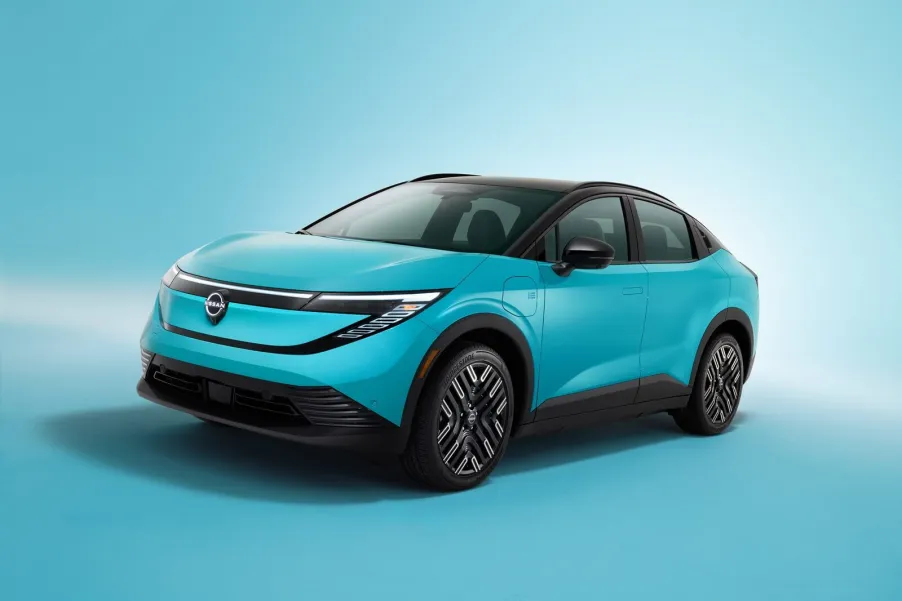
- 2026 Nissan Leaf (all-new): Announced starting price $29,990; Nissan is positioning it as a sub-$30K EV with ~300+ miles range. U.S. launch is the next model year, but many shoppers will cross-shop it now.
- 2025 FIAT 500e (select markets): Starting $30,500–$32,500 depending on trim; compact size with ~149 miles EPA range; limited regional availability.
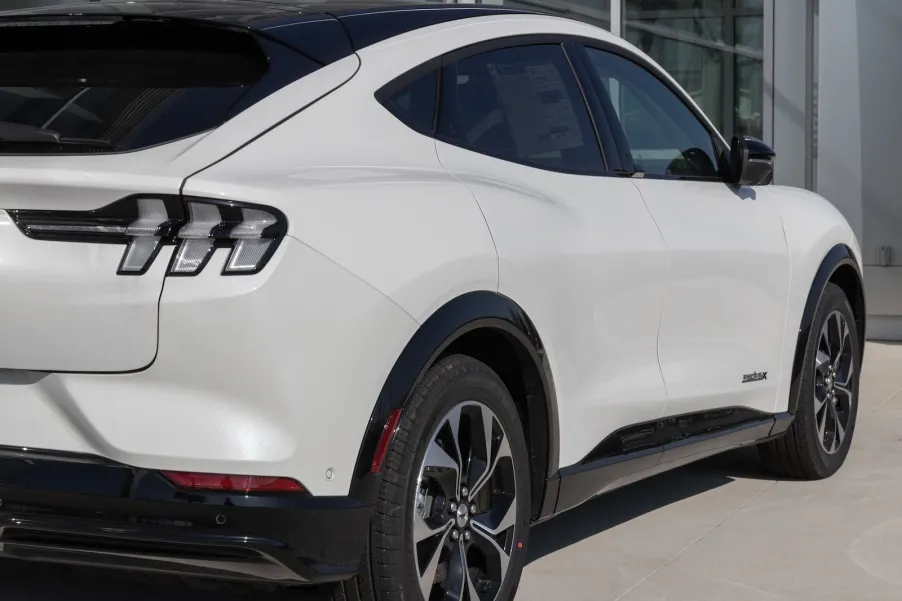
- 2025 Chevrolet Equinox EV LT1: Official starting $33,600, with up to 319 miles EPA-estimated range on FWD; widely sold and often discounted at dealers; some trims may be eligible for the federal clean vehicle credit (confirm at sale).
- 2025 Toyota bZ4X XLE (FWD): Lowered base MSRP $37,070 for 2025, up to 252 miles EPA range (FWD).
- Tesla Model 3 (RWD): Frequently promoted with price adjustments; check current specs and charging performance for the base model if you want more range/features than sub-$35K options.
(Honorable mentions and future value watch: GM has confirmed a next-gen Bolt return with a target under $30K, but timing and full U.S. retail pricing put it outside most 2025 shopping windows.)
Quick comparison table (entry-level trims)
| Model (base) | Starting MSRP* | EPA Range (est.) | Fast-charge peak | Notable notes |
|---|---|---|---|---|
| 2026 Nissan Leaf | $29,990 | ~303 mi (announced) | TBA | Sub-$30K target; next-gen redesign. |
| 2025 FIAT 500e | $30,500 (INSPI(RED)) | 149 mi | ~85–100 kW | Limited regions; ultra-compact city EV. |
| 2025 Chevy Equinox EV LT1 (FWD) | $33,600 | up to 319 mi | up to 150 kW | Some trims may qualify for $7,500 credit; verify VIN and dealer. |
| 2025 Toyota bZ4X XLE (FWD) | $37,070 | up to 252 mi | up to ~150 kW | Price cut for 2025 model year. |
| Tesla Model 3 RWD | See site | See site | up to 250 kW | Regular pricing shifts; strong DC network. |
*MSRP excludes destination, taxes, fees, incentives and dealer pricing. Always check local inventory pages for real-world pricing.
Why “cheapest” on the lot isn’t always cheapest to own
- Energy costs swing by ZIP code: Home charging at typical residential rates usually beats gasoline on a per-mile basis, but public DC fast charging can be pricier; your mix of home vs fast charging matters more than national averages.
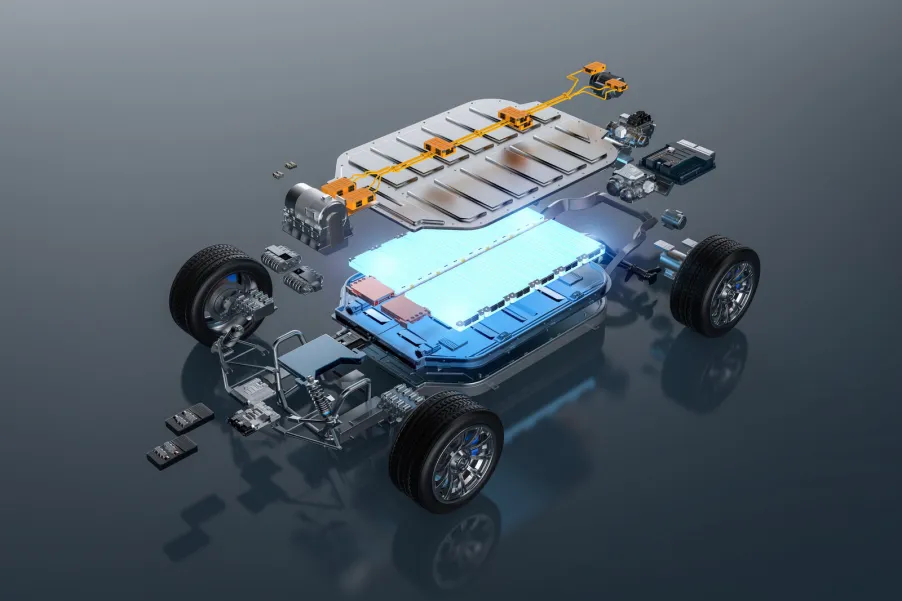
- Maintenance: EVs have fewer moving parts and no oil changes; multiple studies find ~50–60% lower maintenance/repair costs on average versus gasoline.
- Depreciation & insurance: These can offset fuel savings on some models. Recent industry reports note new-vehicle ownership costs are falling overall, but some EVs still carry higher depreciation and insurance—so always model a 5-year scenario.
Pro move: Use the U.S. Department of Energy’s vehicle cost calculator to compare specific models under your miles, electricity rate, gas price and financing assumptions.
Practical steps (checklist for budget shoppers)
- Decide your real use case: Daily commute miles, typical weekend trips, winter temps, access to home/work charging.
- Run a 5-year TCO: Plug your local rates into a reputable calculator; compare two finalists plus a hybrid baseline to sanity-check savings.
- Verify incentives at purchase: Confirm federal eligibility (VIN-specific) and whether the point-of-sale credit applies. Add state/local perks and utility rebates for charging equipment.
- Shop inventory, not just MSRP: Models like the Equinox EV often appear with dealer discounts; limited-market cars like the 500e may have less wiggle room.
- Check charging speed and network: Peak kW matters, but consistency and network access matter more. Tesla’s NACS ecosystem and widespread CCS/NACS adapters are reshaping access—ask the dealer about included adapters and app access.
- Read the warranty fine print: Battery warranties are typically 8 years / 100,000 miles (model-specific). Ask about capacity retention terms.
- Test drive back-to-back: Evaluate ride quality, regen tuning, driver-assist behavior and seat comfort—daily comfort affects long-term value.
- Plan your home charging: Budget for a 240-V circuit and Level 2 EVSE; ask your utility about off-peak rates or EV-specific plans.
Common mistakes & how to avoid them
- Chasing the lowest sticker only: A $3,000 cheaper car that depreciates faster or forces frequent DC fast charging can cost more in year three. Compare TCO, not just MSRP.
- Assuming an incentive applies to every VIN: Sourcing rules and final assembly details change—use official resources and get the dealer’s written confirmation.
- Underestimating range in winter: Cold weather cuts range; keep a buffer if you do frequent highway trips without reliable charging along the route.
- Ignoring charging curve: Two “150 kW” cars may charge very differently. Look for independent tests or manufacturer charts, not just the peak rating.
- Skipping the wall-box budget: Relying on 120-V charging alone can be slow for commuters; include a Level 2 install in the math.
FAQ
1) What is the absolute cheapest electric car in the U.S. right now?
As of late 2025, the 2026 Nissan Leaf has been announced at $29,990—a new headline under-$30K EV. If you’re buying right now, the FIAT 500e (select regions) and discounted Equinox EV LT1 are often the most attainable low-price options you’ll actually find on lots. Always check local inventory and add destination and dealer fees.
2) Which budget EV has the best range?
Among lower-priced entries, the Equinox EV FWD posts up to 319 miles EPA-estimated—impressive for its price bracket.
3) Do cheap EVs qualify for the $7,500 federal credit?
Some do, some don’t, and it can vary by trim and manufacturing details. Verify eligibility at purchase time and ensure the dealer can process the point-of-sale credit where applicable.
4) Are maintenance costs really lower for EVs?
On average, yes. Multiple independent studies have found EV owners spend roughly about half as much on maintenance/repairs vs gas cars. Still, get quotes on tires and insurance for your specific model.
5) Will public fast charging erase my savings?
If most of your charging is at home, you’ll likely pay less per mile than gasoline. If you rely heavily on DC fast charging, costs can approach or exceed gas in some regions. Model your own mix.
6) Is a cheap EV okay for rideshare or delivery?
Yes—focus on range, charging speed, battery warranty, and cargo space. A 250–320-mile EPA rating plus rapid 150 kW+ charging is a practical combo for high-mileage drivers.
7) Should I wait for the “$25K EV”?
Automakers keep signaling lower-cost models (e.g., a next-gen Bolt), but if you need a car now, shop existing models with verified pricing, dealer discounts, and your personal TCO.
Related: EV and Plug-In Hybrid Buyers: Guide to Choosing
Conclusion
If your goal is the cheapest EV to buy, the new-generation Nissan Leaf is set to reset the market under $30K, while the FIAT 500e and Equinox EV LT1 are the most approachable options you’ll actually find this model year, depending on your region and inventory. If your goal is the cheapest EV to own, run the numbers for your electricity rates, commute, charging mix, and resale expectations—then test drive your top two finalists back-to-back. The right “budget EV” is the one that lets you spend less money and less time worrying about range and charging.