When the 2011 Kia Sportage arrived in U.S. showrooms, it didn’t just replace an outgoing model, it marked a pivot point in Kia’s transformation from a value-focused automaker to a design-forward mainstream competitor. For a nameplate that had existed since the mid-1990s, few expected the third-generation Sportage to become a visual, technological, and engineering leap that would ultimately influence Kia’s identity for the next decade. And yet, that’s exactly what happened.
Styled with confidence, engineered with refinement, and packed with features normally reserved for pricier rivals, the 2011 Sportage represented the company’s fastest acceleration toward modernity. It was longer, wider, more powerful, more fuel-efficient, and noticeably more premium inside—and all of it was wrapped in a striking shape heavily inspired by the acclaimed Kue concept unveiled at the 2007 Detroit Auto Show.
What Kia delivered was not merely an update. It was a full-scale reinvention.
A New Design Era: Sportage Becomes a Style Leader, Not a Follower
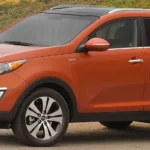
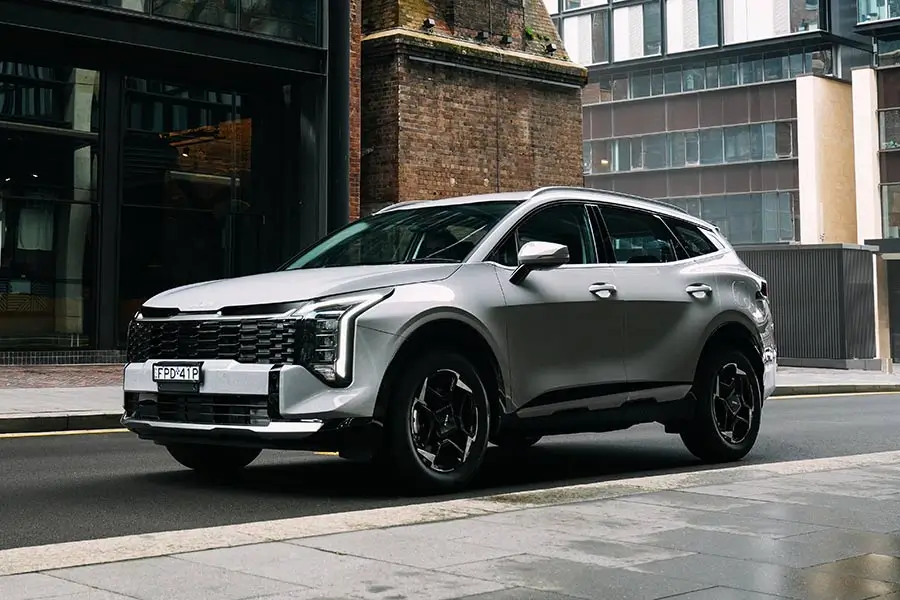
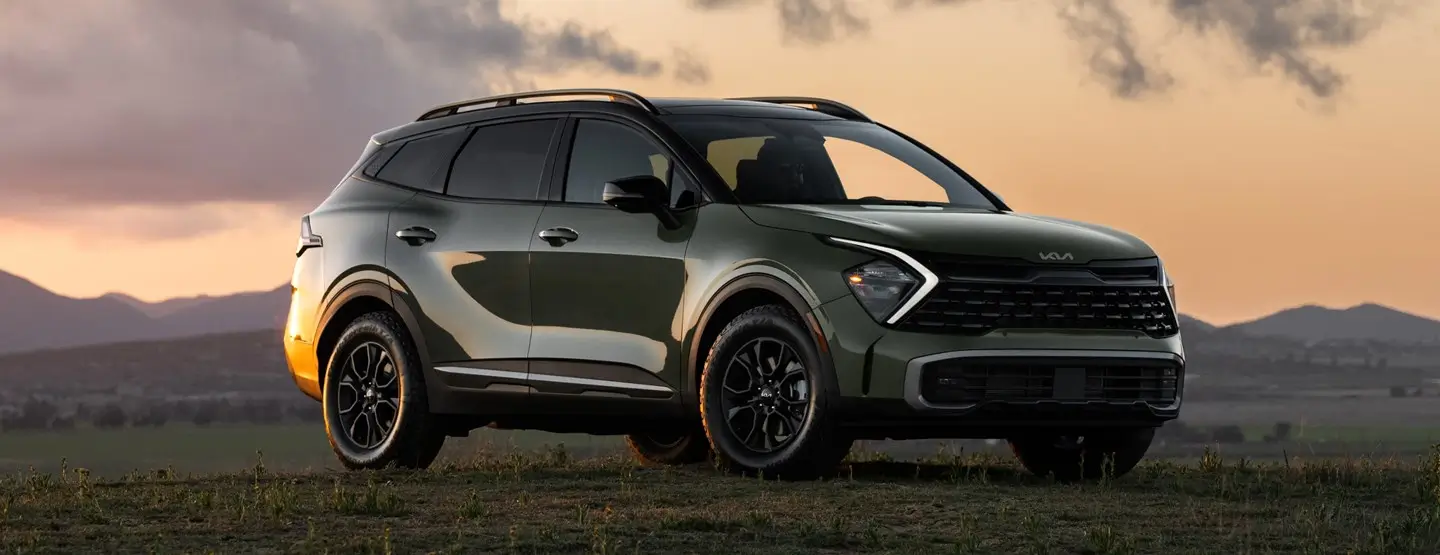
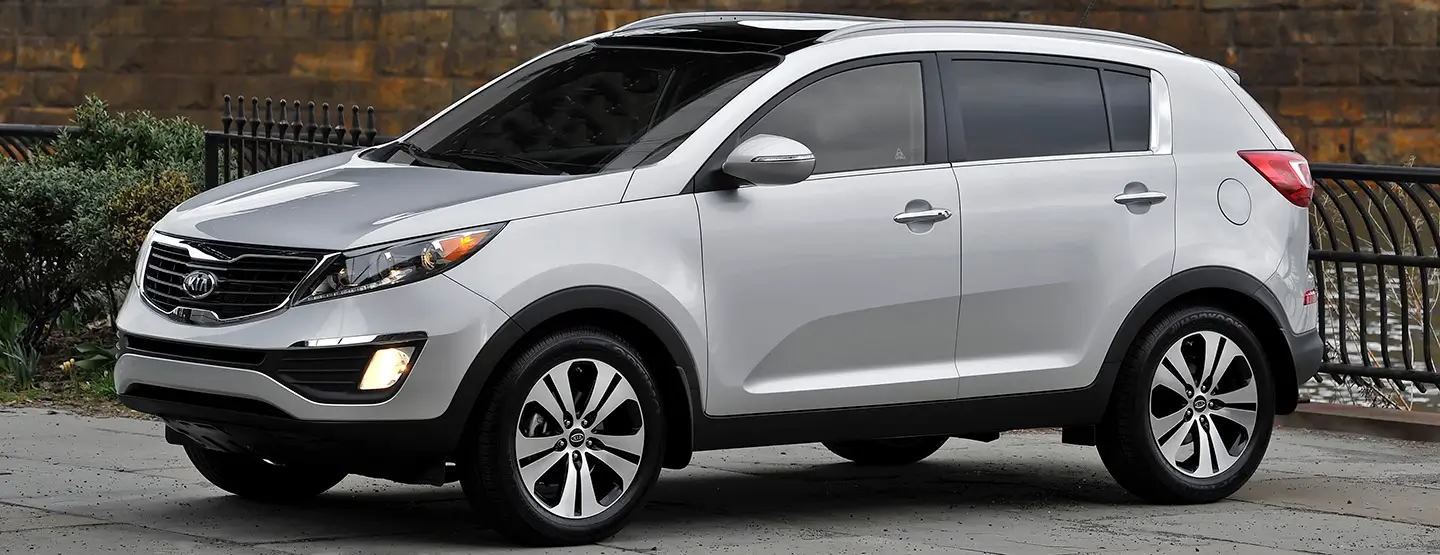
The first thing that grabbed attention in 2011 wasn’t a spec sheet, it was the styling. Under the direction of Kia’s design team in Irvine, Calif., the Sportage dropped the utilitarian, boxy form of its predecessor in favor of a sleeker, athletic posture. A high beltline, crisp shoulder lines, a widened stance, and pronounced wheel arches created an almost European aesthetic—an intentional move aligned with Kia’s fast-emerging global design language.
At the front, the signature Kia “tiger nose” grille and sharply swept-back headlights gave the Sportage a sense of movement even at a standstill. The sculpted hood and sleek windshield angle added a level of visual sophistication rarely seen in the compact CUV class at that time.
From the rear, the clean liftgate, solidly integrated taillights, and spoiler accentuated the refined design. The vehicle wasn’t just more stylish—it was more aerodynamic and noticeably more premium in appearance.
Dimensionally, the 2011 Sportage grew in critical ways:
- Longer overall length for better cabin usability
- Wider stance for stability and visual power
- Lower height for improved aerodynamics and a sportier road presence
Despite the sportier posture, Kia retained the commanding seating position that buyers loved, proving that style and practicality could coexist without compromise.
Interior: Contemporary Comfort Meets Technology That Was Ahead of Its Time
Step inside the 2011 Sportage, and the transformation continued. Rather than feeling like a budget-friendly compact crossover, the cabin exuded a level of maturity and modernity that immediately elevated the user experience.
The interior design flowed cohesively from the exterior, creating a cockpit that felt thoughtfully sculpted rather than simply arranged. The three-pot instrument cluster, updated materials, and layered dashboard gave drivers a sense of being inside something intentionally engineered—not just assembled.
Even the base and LX trims packed thoughtful convenience features:
- Power windows, locks, and mirrors
- Multi-way adjustable seats
- Integrated Bluetooth® connectivity
- SIRIUS® Satellite Radio compatibility
- USB and auxiliary inputs
- Air conditioning
- Illuminated power outlets
The EX trim elevated the experience significantly. Leather-wrapped touchpoints, dual-zone climate control, a cooled glovebox, automatic folding rear seats, and a power driver’s seat with lumbar support made the Sportage feel like it straddled the line between mainstream and near-premium.
Perhaps one of the most forward-looking features was UVO powered by Microsoft®, Kia’s hands-free communication and entertainment interface. It allowed drivers to manage calls, texts, and media in a natural voice-controlled environment—a remarkably advanced feature for 2011, especially in the compact CUV segment.
Optional highlights like a panoramic sunroof, rear camera display, push-button start, and an air-cooled driver’s seat (a segment first) demonstrated Kia’s ambition to load the Sportage with technology usually found in more expensive competitors.
Powertrain and Performance: More Muscle, Better Efficiency
The 2011 model year brought a completely re-engineered powertrain strategy. Kia understood that American buyers wanted the balance of performance and efficiency, and the Sportage delivered precisely that.
The standard 2.4-liter DOHC four-cylinder with CVVT produced 176 horsepower, a meaningful jump over the previous generation’s 2.7-liter V6—while also delivering improved fuel economy. Rated at 22 mpg city and 31 mpg highway, it demonstrated that Kia could build an engine that didn’t rely on displacement to be compelling.
The major headline, though, was the upcoming 2.0-liter turbocharged GDI engine, projected to produce over 270 horsepower, placing Kia among a small group of automakers offering high-output turbo engines in compact CUVs during that era.
Buyers could choose between:
- Front-wheel drive (FWD) for efficiency and urban maneuverability
- Dynamic Dynamax™ All-Wheel Drive (AWD) for enhanced traction and balanced handling
The Dynamax™ AWD system—co-developed with Magna International—was a standout engineering achievement. Unlike traditional systems that react after slip occurs, this system anticipated traction needs by continuously monitoring road conditions. This predictive capability improved cornering stability, minimized axle shock, and gave drivers much better grip on varied surfaces.
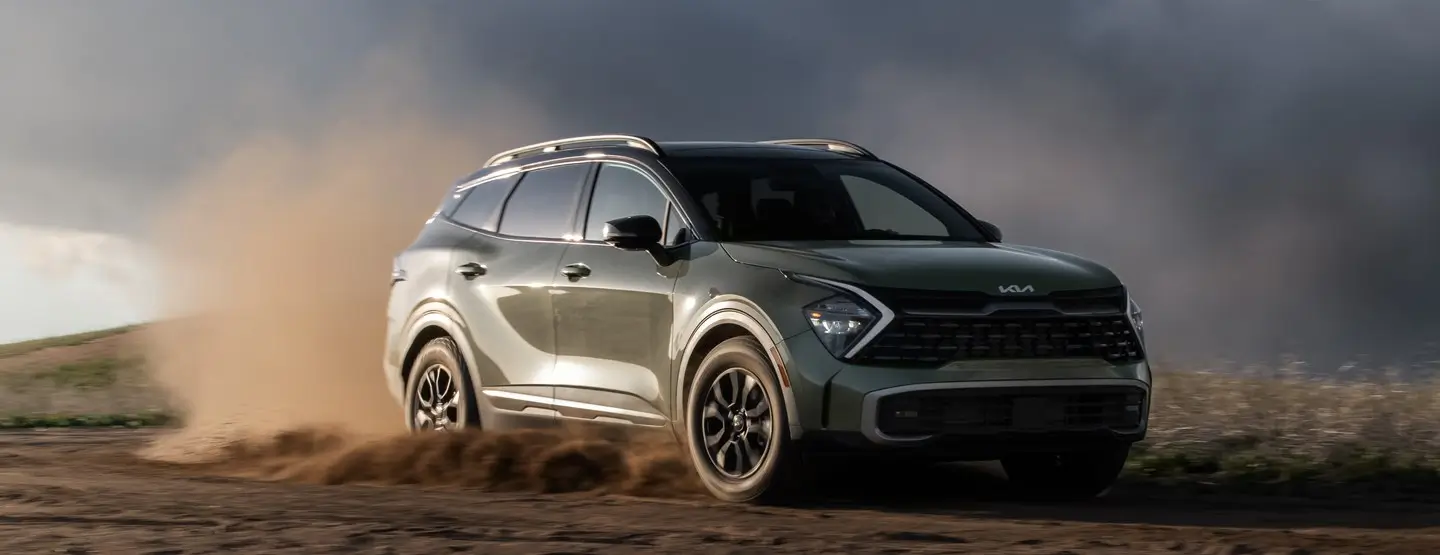
A selectable Lock Mode sent equal torque to both axles (up to 25 mph), making the Sportage a confident partner in snow, mud, and uneven surfaces.
All powertrains were paired with Kia’s in-house, proprietary six-speed automatic transmission, featuring Sportmatic® clutchless manual shifting. At the time, only a few automakers designed their own transmissions in-house—another sign that Kia was investing heavily in core engineering.
Platform and Ride Quality: Quieter, Smoother, and More Composed
Built on an all-new unibody platform, the 2011 Sportage improved in ways that drivers could feel immediately. Its redesigned suspension—MacPherson struts upfront and a new multi-link setup in the rear—helped the Sportage transition from a rugged-feeling crossover to one that rode with more composure and precision.
The newly engineered side-load coil springs, hydro-formed subframes, and strategic use of high-tensile steel contributed to:
- Lower Noise, Vibration, and Harshness (NVH)
- Better steering responsiveness
- Enhanced stability
- A refinement level that exceeded expectations for the price
The result was a CUV that felt far more planted and confident than the previous generation.
Safety: IIHS Top Safety Pick and Comprehensive Protections
Safety became one of the 2011 Sportage’s strongest selling points. Earning the 2010 IIHS Top Safety Pick, the Sportage received top ratings in:
- Frontal crash protection
- Side impact
- Rear impact
- Rollover safety
Standard safety features reflected Kia’s “safety for all” strategy:
- Front advanced airbags
- Front seat–mounted side airbags
- Full-length side curtain airbags
- Active front headrests
- ESC, ABS, and EBD
- Brake Assist System
- Hill Start Assist
- Downhill Brake Control
- Tire Pressure Monitoring System
For the compact CUV segment in 2011, this suite of standard features was exceptional.
Warranty and Value: Kia’s Industry-Leading Protection
One of Kia’s strongest value propositions has long been its warranty program, and the 2011 Sportage was no exception. Buyers were covered by:
- 10-year/100,000-mile limited powertrain warranty
- 5-year/60,000-mile basic warranty
- 5-year/100,000-mile anti-perforation warranty
- 5-year/60,000-mile roadside assistance
For a compact crossover starting at $18,295, the value equation was unmatched at the time.
Related: 2010 Kia Sportage Overview: A Surprisingly Capable Compact SUV That Still Holds Its Value
The Bigger Picture: A Vehicle That Helped Redefine Kia’s Future
Looking back, the 2011 Kia Sportage wasn’t just a new generation—it was the model that validated Kia’s design-led revolution. It arrived during the same wave as the Optima and the U.S.-built Sorento, all of which contributed to Kia’s rapid rise in design credibility, market share, and consumer trust.
The Sportage set the tone for the next decade of Kia design: modern, confident, technology-rich, and unmistakably distinctive.
It proved that a compact CUV could be:
- Stylish without sacrificing practicality
- Affordable without feeling cheap
- Efficient without being underpowered
- Safe without expensive packages
In many ways, the 2011 Sportage was the blueprint for what compact crossovers would eventually become—versatile, expressive, and loaded with value.
FAQs
1. Is the 2011 Kia Sportage a reliable compact SUV?
Yes. The 2011 Kia Sportage earned a strong reputation for reliability thanks to its improved engine lineup, upgraded platform, and high safety ratings. With proper maintenance, owners often report long-term dependability, bolstered by Kia’s industry-leading 10-year/100,000-mile powertrain warranty.
2. What engine options were available for the 2011 Sportage?
The 2011 Sportage came standard with a 2.4-liter four-cylinder engine producing 176 hp. Later in the year, a 2.0-liter turbocharged GDI engine delivering over 270 hp was introduced, giving the compact CUV segment one of its most powerful turbo four-cylinder options.
3. Does the 2011 Kia Sportage have good safety ratings?
Yes. The 2011 Sportage received top scores from the Insurance Institute for Highway Safety (IIHS), earning the Top Safety Pick designation for front, side, rear, and rollover protection. Standard safety equipment included ESC, ABS, side airbags, curtain airbags, and hill-assist technologies.
4. What features make the 2011 Sportage stand out?
The 2011 Sportage offered segment-leading features at the time, including a panoramic sunroof, push-button start, Bluetooth® connectivity, UVO by Microsoft®, LED daytime running lights, navigation, and even an air-cooled driver’s seat—rare for compact SUVs in 2011.
5. Is the 2011 Sportage good on fuel economy?
Yes. With its 2.4-liter engine and six-speed automatic transmission, the 2011 Sportage delivered 22 mpg city / 31 mpg highway, making it more fuel-efficient than its V6-powered predecessor while offering more horsepower.