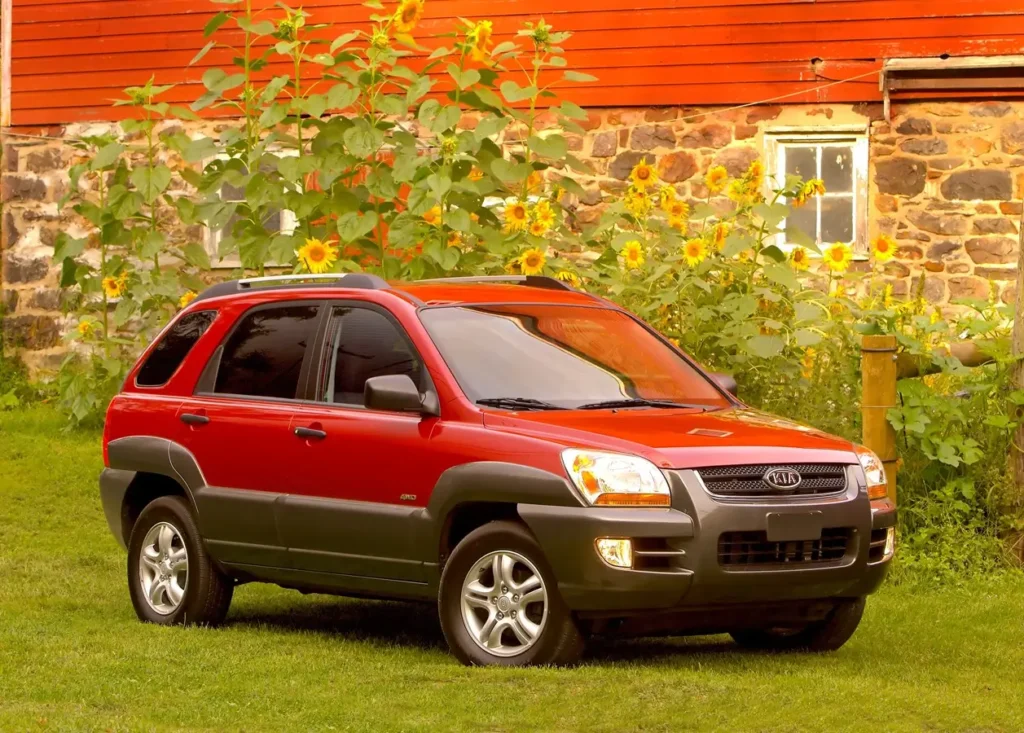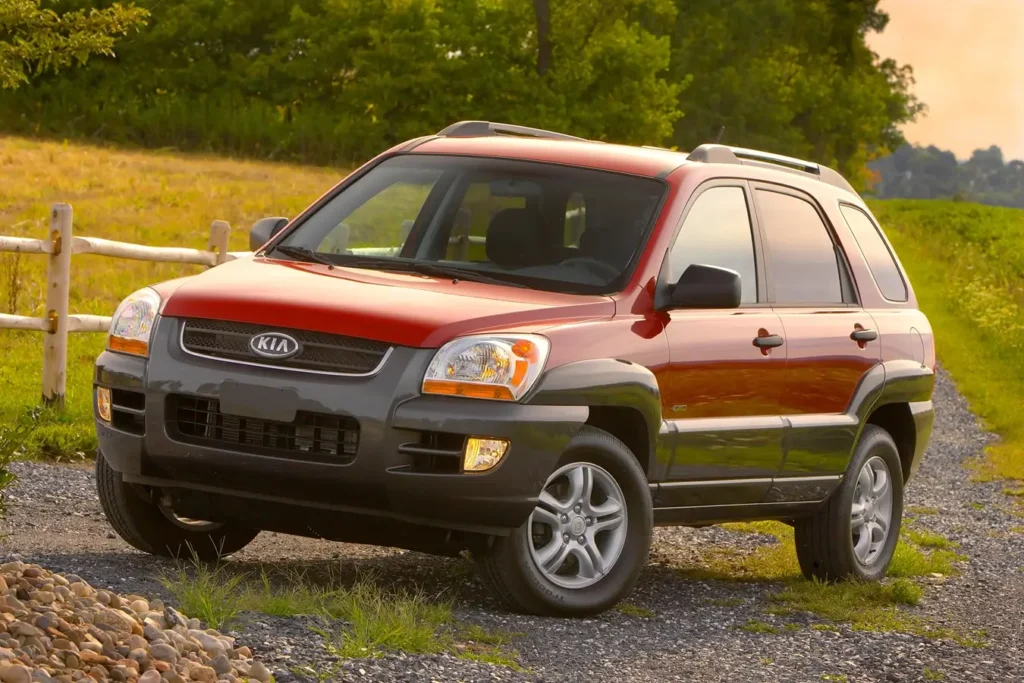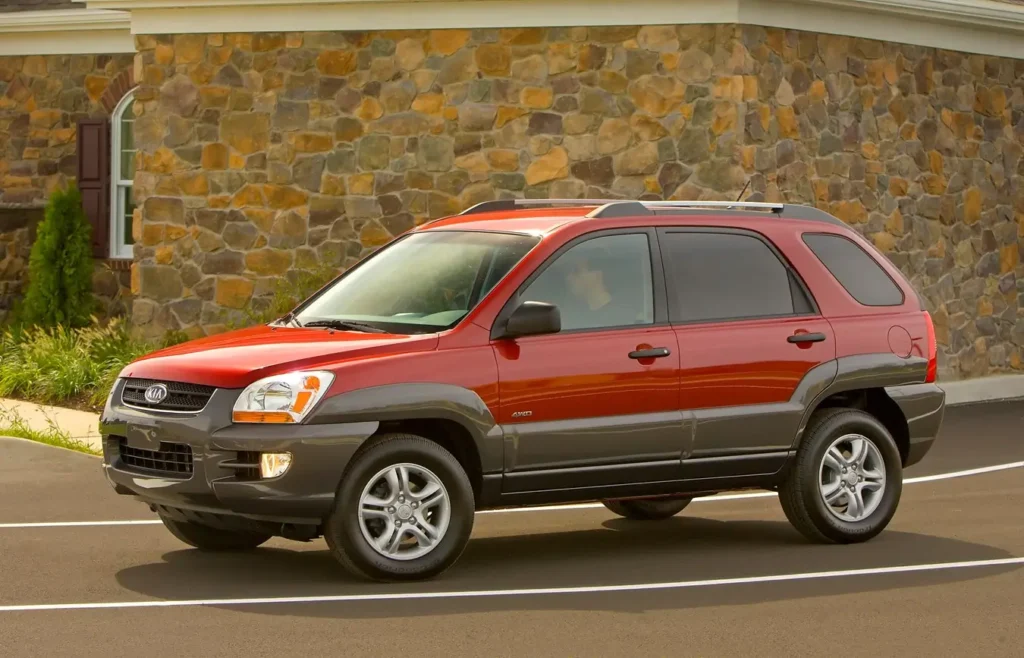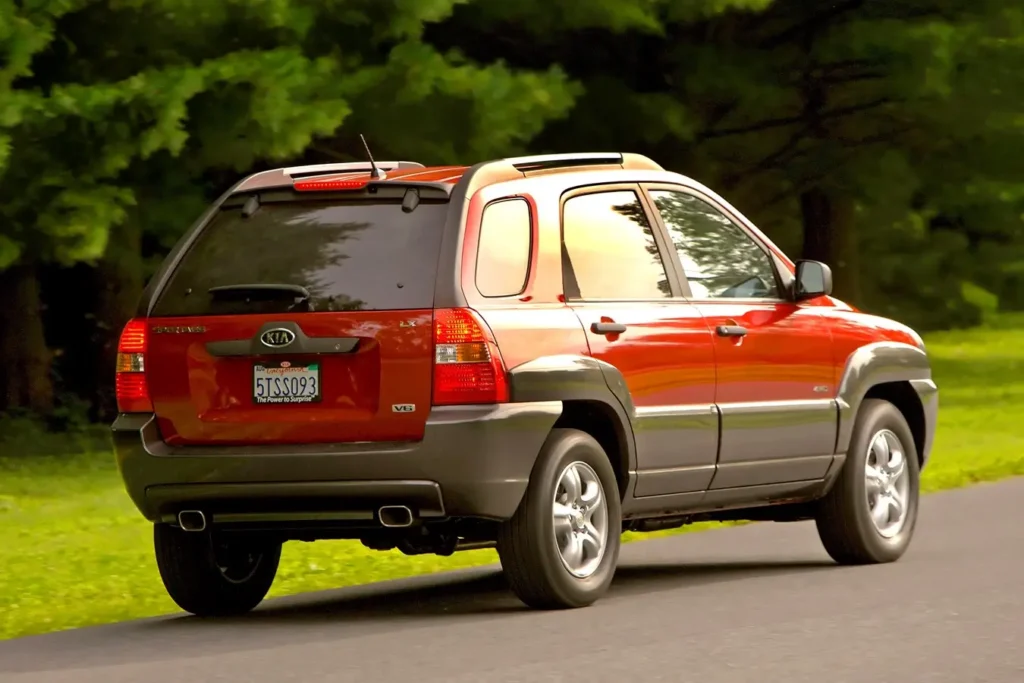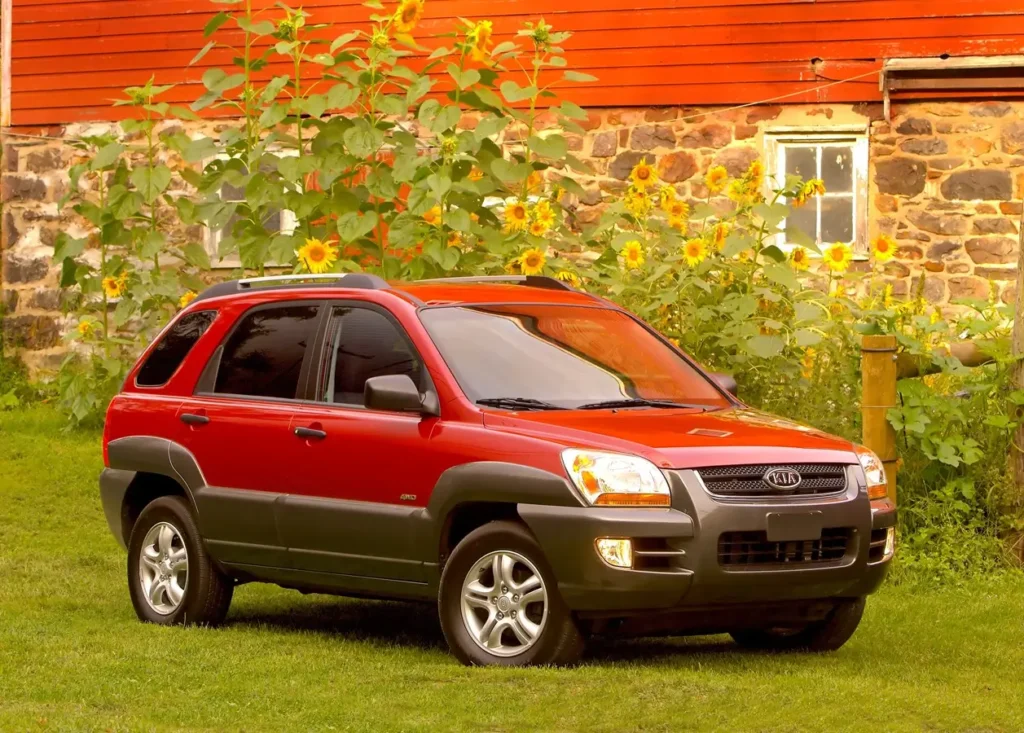
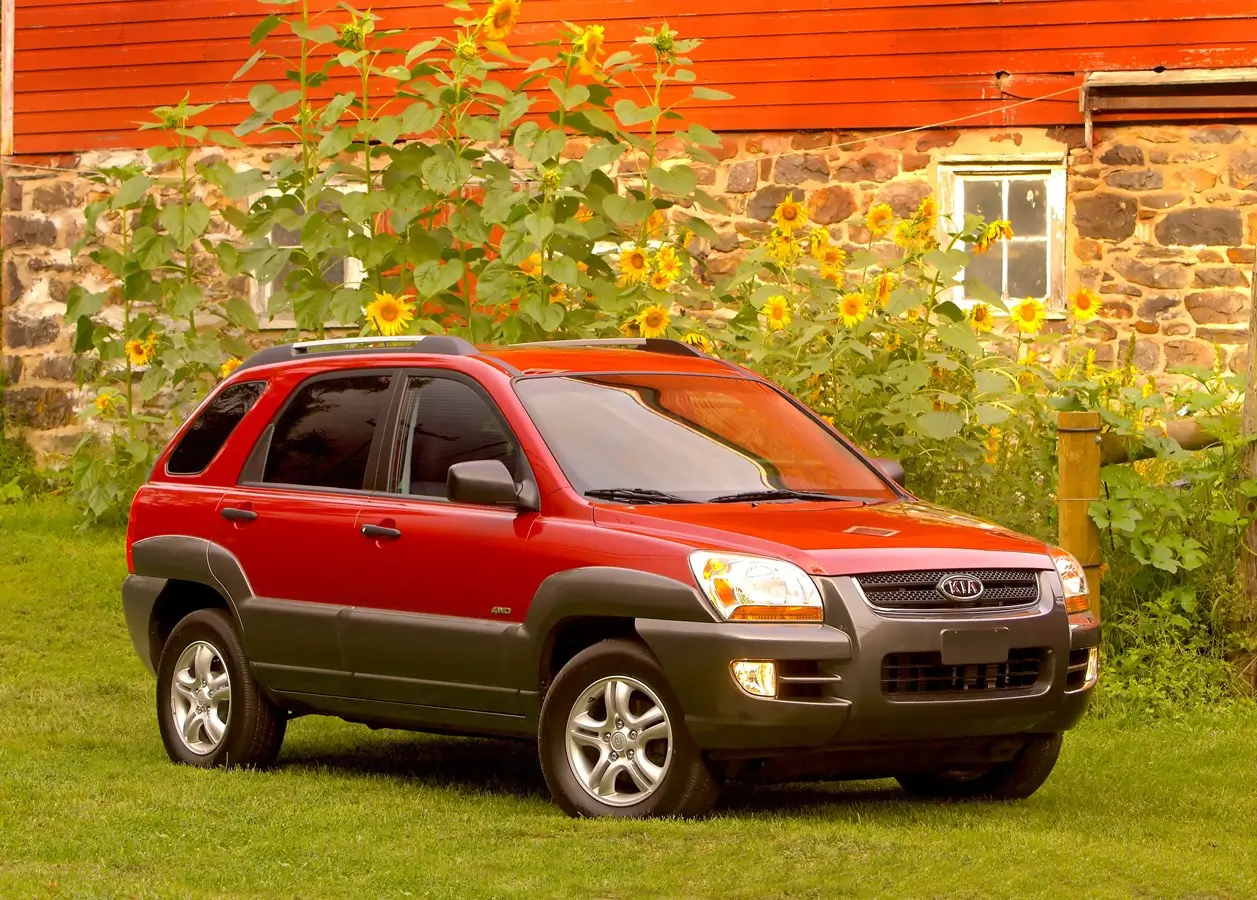
If you’re searching for a budget-friendly compact SUV with honest capability and simple mechanicals, the 2008 Kia Sportage still deserves a serious look. It sits in that sweet spot where early-2000s simplicity meets the beginning of Kia’s quality push, and that combination is exactly why many owners are still happily daily-driving theirs today.
This guide walks through reliability, features, running costs, safety, and real-world ownership, so you can decide if a 2008 Sportage fits your driveway—or if you should keep shopping.
Engine, Drivetrain, and Fuel Economy
The 2008 Sportage came with two main engine choices:
- 2.0L inline-4 (around 140–142 hp, 136–184 Nm torque depending on market) paired with a 5-speed manual or 4-speed automatic, available in FWD or AWD.
- 2.7L V6 (about 173 hp, 178 lb-ft torque) with a 4-speed automatic, also in FWD or AWD.
Fuel economy isn’t outstanding by modern standards, but it’s reasonable for a 2000s compact SUV. U.S. EPA estimates are roughly:
- I4 FWD manual: around 20/25 mpg city/highway
- V6 4WD auto: typically 17/21–23 mpg city/highway
In real life, owners often report high-teens in town and low-20s on the highway—dropping a bit if you have the V6 with AWD and a heavy right foot.
For towing, many configurations are rated up to about 2,000 lbs (≈907 kg) when properly equipped, enough for a small trailer or a pair of jet skis.
Reliability: How Well Does a 2008 Sportage Age?
From a reliability standpoint, the 2008 Sportage actually holds up better than many shoppers expect from an older Kia.
- J.D. Power scores the 2008 Sportage at 82/100 overall, with 81/100 for quality and reliability, placing it near the top of its small-SUV class for that model year.
- Owner review platforms frequently show 4.4–4.8 out of 5 average ratings, with many comments highlighting dependable daily use and low running costs.
Common Trouble Spots to Watch
Every 15-plus-year-old SUV has its weak spots. For the 2008 Sportage, used-buyer feedback and tech forums commonly mention:
- Timing belt on the 2.0L engine
- The 2.0L four-cylinder uses a timing belt, typically recommended for replacement around 60,000 miles / 60,000 km or about 6 years.
- Ignoring this can lead to belt failure and serious engine damage, so a documented timing belt change is a big plus when shopping.
- General wear items
- On higher-mileage examples, owners report suspension wear (shocks/struts) and occasional alternator or clutch replacement as typical lifecycle repairs rather than design flaws.
- Minor trim and hardware issues
- Some owners mention brittle door handles or interior plastics on older, sun-exposed vehicles. These problems are annoying but usually inexpensive to fix.
Overall, if maintenance is up to date—especially the timing belt, fluids, and suspension—many 2008 Sportages deliver solid, predictable reliability by used-SUV standards.
Safety: Crash Ratings and Equipment
For a 2008-model compact SUV, the Sportage is impressively well-equipped on safety.
Standard safety features include:
- Front, side, and full-length curtain airbags
- 4-wheel disc brakes with ABS
- Electronic stability control and traction control
- Active head restraints in front seats
In U.S. government testing, the 2008 Sportage earned five stars for both frontal and side-impact crash protection.
The Insurance Institute for Highway Safety (IIHS) rates this generation Sportage:
- “Acceptable” (A) for moderate overlap front and side crashworthiness
- “Good” (G) for head restraints and seats
- “Poor” (P) for roof strength, reflecting older roof-crush standards relative to modern SUVs.
What this means in real-world terms: for frontal and side impacts, the 2008 Sportage performs respectably for its age, but roof-strength performance and the absence of newer active safety tech (like automatic emergency braking or lane-keeping) are worth keeping in mind.
Interior Space, Comfort, and Features
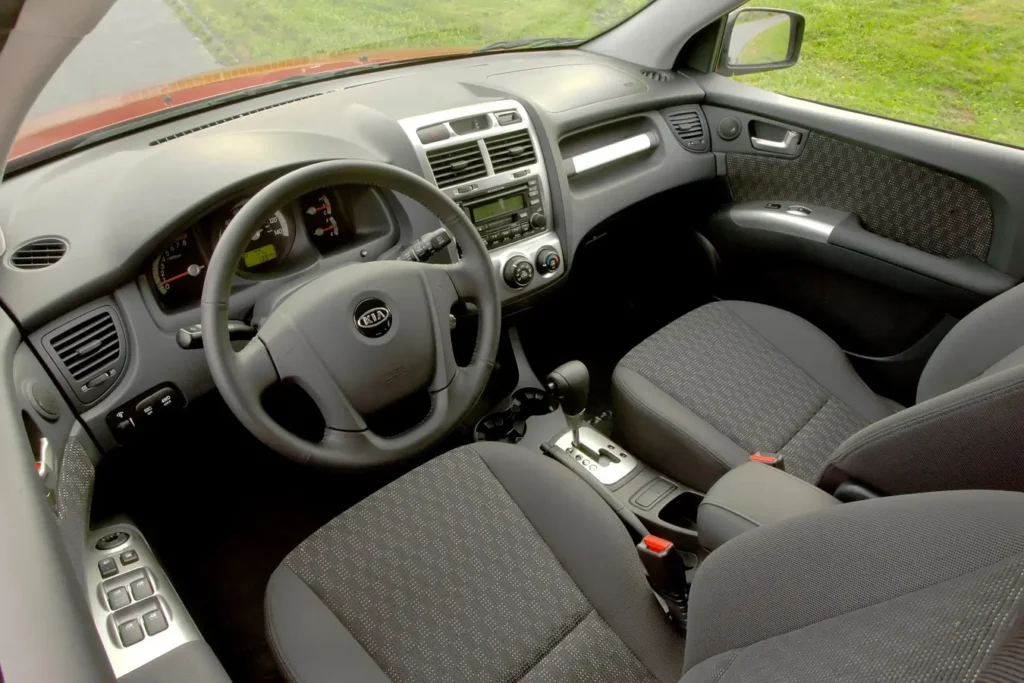
Step inside a 2008 Sportage and you’ll find a cabin that feels simple and durable more than luxurious—and that’s part of its appeal.
Interior highlights:
- Seating for five with upright, SUV-like driving position
- Clever 60/40 folding rear seats and a fold-flat front passenger seat on many trims, which allow long items to fit easily
- Cargo volume of roughly 66 cu ft with the rear seats folded, which is competitive for a compact SUV of that era
Feature content depends on trim:
- LX models typically include: power windows and locks, air conditioning, CD audio, roof rails, and basic cloth seats.
- EX models can add: sunroof, alloy wheels, leather-wrapped steering wheel, upgraded upholstery, and optional leather seats or heated front seats in some packages.
Noise insulation is average; you’ll hear more engine and road noise than in a newer Sportage, especially with the V6 working hard. Ride quality is firm but compliant—not plush, but comfortable enough for daily commuting and weekend trips.
Real-World Ownership: What Owners Say
Owner reviews are one of the strongest parts of the 2008 Sportage story:
- Many long-term owners report “very reliable”, “easy to maintain”, and “would buy again” type comments, often praising the value they got for a relatively low purchase price.
- People like the compact size for city driving combined with enough space for kids, pets, and road-trip gear.
- FWD versions are popular for everyday commuting, while AWD models are appreciated in snowy or rural areas.
On the flip side, common complaints include:
- The 4-cylinder can feel underpowered, especially when loaded or climbing hills.
- Fuel economy is “okay” rather than great.
- Ride and handling are not as refined as newer compact crossovers, and the 4-speed automatic feels dated.
For many owners, the balance still works: cheap to buy, cheap to own, good enough to live with every day.
What to Check Before You Buy a 2008 Sportage
If you’re looking at a used 2008 Kia Sportage, here’s a quick journalist-style checklist:
- Service history
- Look for regular oil changes and proof of major services.
- Confirm timing belt replacement on 2.0L engines (ideally every ~60k miles).
- Rust and underbody
- In snowy or coastal regions, inspect the underbody, wheel arches, and tailgate edges for rust.
- Suspension and steering
- Test-drive over rough roads and listen for clunks or rattles that might signal worn shocks, struts, or bushings.
- 4WD/AWD system (if equipped)
- Engage the system and make sure there are no warning lights, binding, or odd noises.
- Interior wear and electronics
- Check electric windows, door locks, A/C, heater, and radio.
- Inspect door handles and plastics for cracks or looseness.
- Tires and brakes
- Uneven tire wear can point to alignment or suspension issues; soft pedal or vibration under braking suggests brake service is due.
Paying a trusted mechanic for a pre-purchase inspection is especially smart on a vehicle that’s now well over a decade old.
Who Is the 2008 Kia Sportage For?
The 2008 Sportage makes sense if you are:
- A budget-focused buyer who wants a compact SUV under tight price limits.
- A new driver or student needing a simple, rugged runabout with decent safety equipment.
- Someone who values mechanical simplicity over the latest tech and is comfortable staying on top of maintenance.
It’s less ideal if you prioritize:
- Top-tier fuel economy
- Modern driver-assist features
- Luxury-level interior refinement
Related: 2025 Kia Telluride Overview: Pricing, Trims, and Key Updates You Should Know
Conclusion
For the right buyer, yes—the 2008 Kia Sportage can still be a smart, value-driven choice in the used-SUV market.
You’re getting:
- Proven reliability scores and many satisfied long-term owners
- Solid safety equipment and strong crash-test performance for its era
- Simple, robust mechanicals that most shops can service without drama
- Practical space and flexible seating in a compact footprint
The key is to buy carefully: prioritize a well-maintained example, verify the timing belt history, and avoid neglected, heavily rusted, or heavily modified units.
If you do that, the 2008 Kia Sportage can be exactly what many owners say it is: not the flashiest SUV on the road, but a loyal, hard-working companion that quietly does its job year after year.