Electrification has turned Hyundai from a value-brand stalwart into one of the most exciting EV makers on the planet. With the IONIQ family (5, 6, and the wild 5 N) and the latest KONA Electric, Hyundai blends sleek design, pragmatic range, and tech that feels genuinely useful in daily life—like ultra-fast 800-volt charging and Vehicle-to-Load power outlets. If you’re eyeing an electric car that’s easy to live with yet future-leaning, Hyundai’s lineup deserves a hard look.
E-GMP: The Secret Sauce (and Why It Matters)
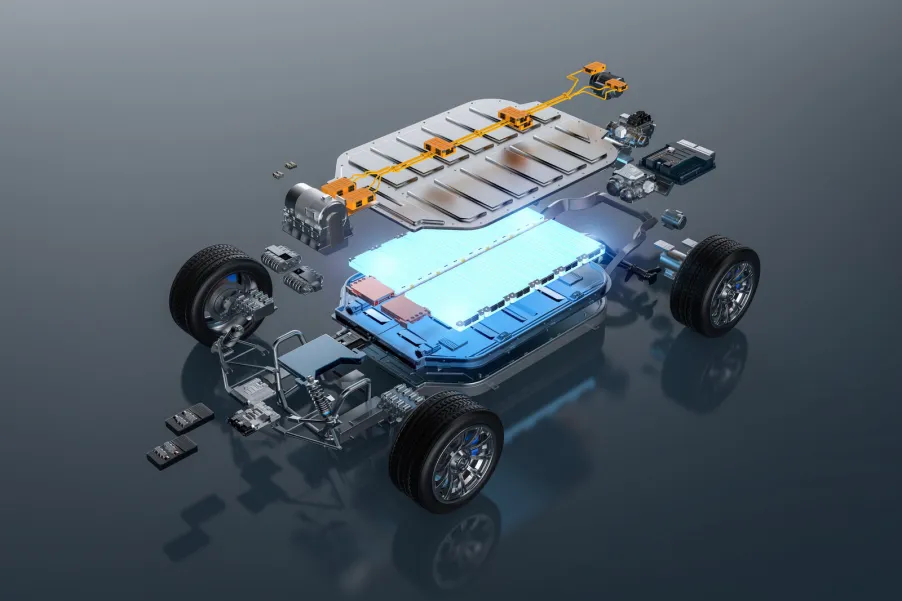
At the heart of Hyundai’s EV surge is E-GMP, the Electric-Global Modular Platform. It’s not just marketing fluff: this architecture enables 800-volt charging—technology once reserved for six-figure exotics—so you can juice from roughly 10–80% in about 18–20 minutes at a 350-kW DC fast charger, conditions permitting. That translates into road-trip practicality and less time tethered to a charger. E-GMP also supports Vehicle-to-Load (V2L), letting the car power appliances, tools, or even campsite gear at up to household-like wattage—great for tailgates, film shoots, pop-up markets, or blackout resilience.
IONIQ 5: The Icon That Made Everyone Pay Attention
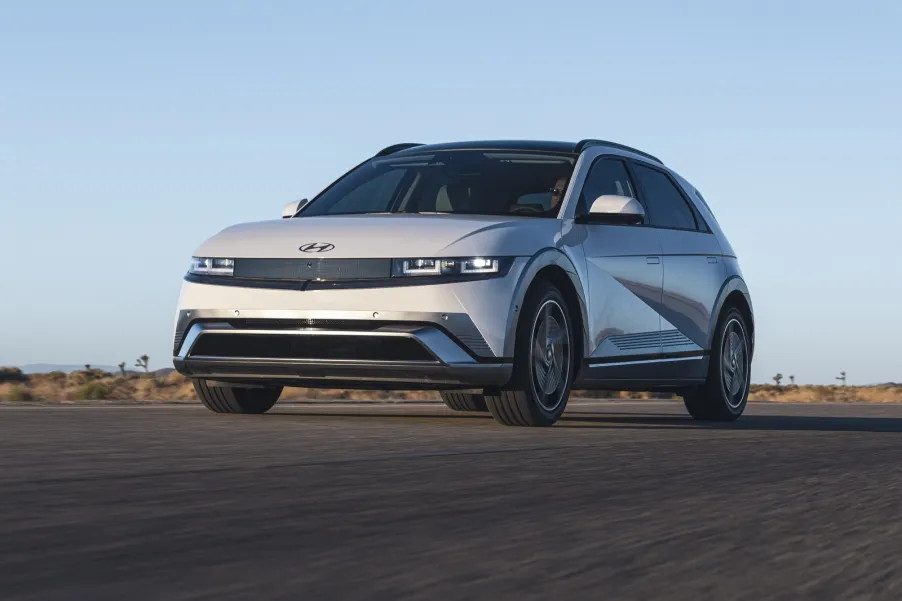
The IONIQ 5 turned heads with its pixel-punk design and lounge-like cabin, but it’s the everyday usability that made it a hit. On the right charger, it takes advantage of that 800-V backbone to add a huge chunk of range in the time it takes to grab coffee. Recent model years support rapid DC charging (Hyundai lists 10–80% in as little as ~20 minutes), and the car’s flat floor plus sliding console make the interior surprisingly versatile for families. Hyundai has also begun adopting broader charging compatibility (including NACS support) to expand road-trip options across public networks.
And then there’s the IONIQ 5 N. It isn’t just an IONIQ 5 with a body kit; it’s a track–capable thrill ride with well over 600 horsepower, sophisticated thermal management, and clever software tricks aimed squarely at enthusiasts. Official figures highlight up to 478 kW (around 641 hp) and supercar-quick 0–62 mph sprints—yet you still get hatchback practicality and the same fundamental charging advantages. It’s proof that “fun to drive” and “electric” don’t have to be mutually exclusive.
IONIQ 6: The Streamliner for Long-Range Commuters
If you want maximum aerodynamic efficiency, the IONIQ 6 sedan is Hyundai’s range champ. In its SE Long Range RWD configuration, the EPA estimates up to 361 miles—more than enough for weekly commuting plus weekend runs without charging anxiety. Even the AWD trims deliver robust numbers while adding traction and a sportier feel. Inside, the 6 is serene: dual 12.3-inch displays, clever ambient lighting, and a cocoon-like vibe that underscores its “streamliner” brief. Crucially, it retains the E-GMP perks, so charging times are competitive and road-trips are painless.
KONA Electric: Right-Sized, Everyday Friendly
Hyundai hasn’t neglected the mainstream compact crossover crowd. The latest KONA Electric brings a tidy footprint, usable cargo space, and a choice of battery sizes to hit different budgets and range needs. Depending on market and pack, you’ll see real-world ranges competitive for its class, along with 400-V fast charging that still gets you back on the road quickly. The interior tech mirrors the brand’s larger EVs—widescreen displays, robust safety assists, and straightforward controls—making it a solid daily driver for urban and suburban life.
Charging, Standards, and Living With a Hyundai EV
Hyundai’s approach to charging is refreshingly practical. On IONIQ 5 and 6, the 800-V system means higher peak speeds and shorter stops when you can access 350-kW stations; the cars also work across common public networks via CCS, and support for broader connector standards is rolling out to further simplify road-trip planning. At home, a Level 2 wallbox will reliably recover a full battery overnight. And V2L turns the car into a 3.6-kW mobile power station, which owners use for everything from laptop-and-camera rigs to emergency refrigerator duty. Put simply, the ecosystem is maturing—and Hyundai’s hardware and software are already built to take advantage.
Safety, Software, and Warranty Peace of Mind
Tech features aren’t just window dressing. Hyundai’s driver-assist suite (with features like forward collision avoidance and blind-spot view monitoring) has grown both in capability and polish across recent model years. Over-the-air updates mean key systems can be refined without dealer visits, while the company’s battery and powertrain warranties have historically been strong—one reason value-minded shoppers gravitate to the brand. As with any modern EV, keep an eye on service bulletins and recall notices; Hyundai, like other makers, has proactively addressed known issues (for example, updating charging control components on certain vehicles) and communicates fixes through its dealer network.
Which Hyundai EV Is Right for You?
- Daily commuter who wants maximum range and a calm, premium vibe: IONIQ 6 SE Long Range RWD. The 361-mile EPA estimate puts it among the best in class, while the “streamliner” aero makes highway miles feel effortless.
- Style-forward family hauler that fast-charges like a champ: IONIQ 5. Flexible cabin, pixel-art design, and road-trip-friendly 800-V charging make it the do-everything all-rounder.
- Enthusiast who wants to shock passengers and carve back roads: IONIQ 5 N. It’s a legit performance EV with track-ready hardware and software.
- Compact crossover shopper who values value: KONA Electric. Right size, good tech, and compelling range for the money.
Related: Electrifying the Road: The All-New Chevrolet Silverado EV
Conclusion
Hyundai’s EV portfolio in 2025 hits a rare sweet spot: fast when you want it, efficient when you need it, and thoughtfully equipped for real life. E-GMP’s 800-V architecture slashes charge times, V2L opens up new use-cases, and design ranges from retro-futurist (IONIQ 5) to wind-cheating elegance (IONIQ 6). The KONA Electric keeps the gateway affordable without feeling like a compromise, and the IONIQ 5 N proves electrics can still light your hair on fire. If you’re choosing your first EV—or your next one—Hyundai’s lineup makes going electric feel less like an experiment and more like the obvious move.
Note: Real-world range and charging speeds vary with temperature, driving style, battery state, and charger capability. Always check the exact trim’s specifications in your region before you buy.