Summary
Curious about Toyota bZ especially the bZ4X but unsure how it fits your budget, commute, and charging reality? This people-first guide breaks down range, charging times, NACS/Tesla Supercharger access, the e-TNGA platform, over-the-air (OTA) software, and practical ownership tips. You’ll find a simple comparison table, a checklist for test drives and charging, common pitfalls to avoid, and concise answers to FAQs all backed by current, verifiable sources.
What “Toyota bZ” Means Right Now
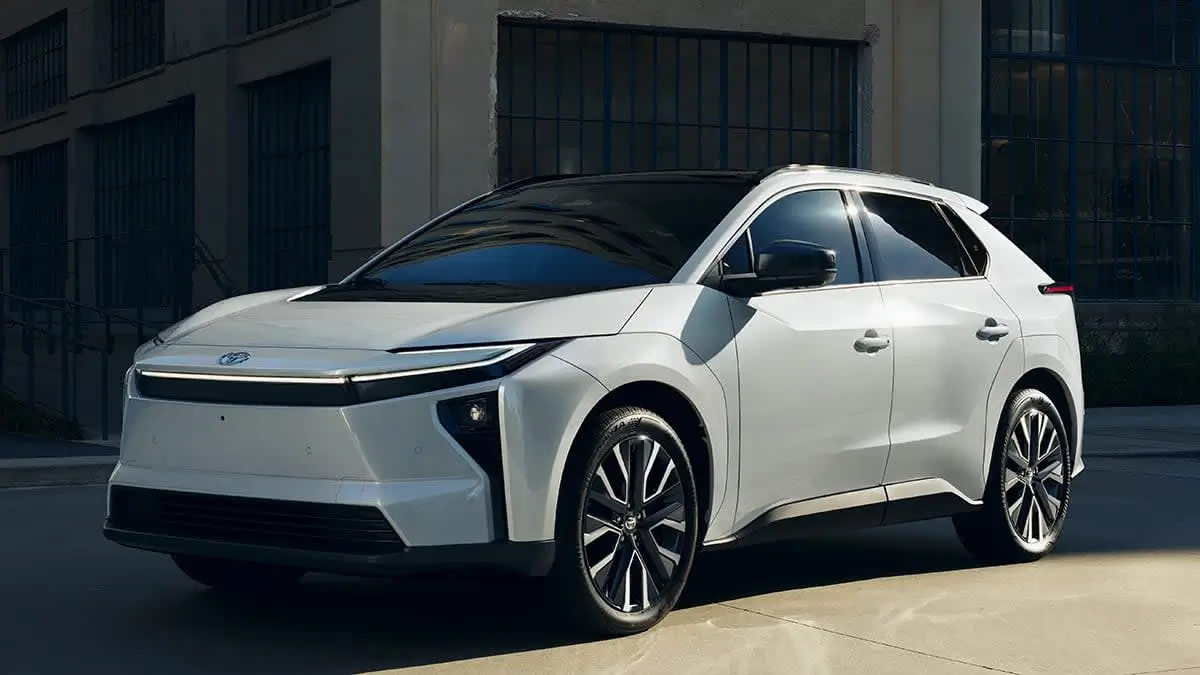
“bZ” stands for “beyond Zero,” Toyota’s sub-brand for battery electric vehicles (BEVs). In the U.S. today, the lineup revolves around the bZ4X compact SUV riding on Toyota’s e-TNGA BEV architecture—designed to scale battery sizes and drive layouts (FWD/AWD) across multiple vehicle types. In short: modular underpinnings intended to deliver familiar Toyota reliability in an all-electric package.
e-TNGA, in plain English
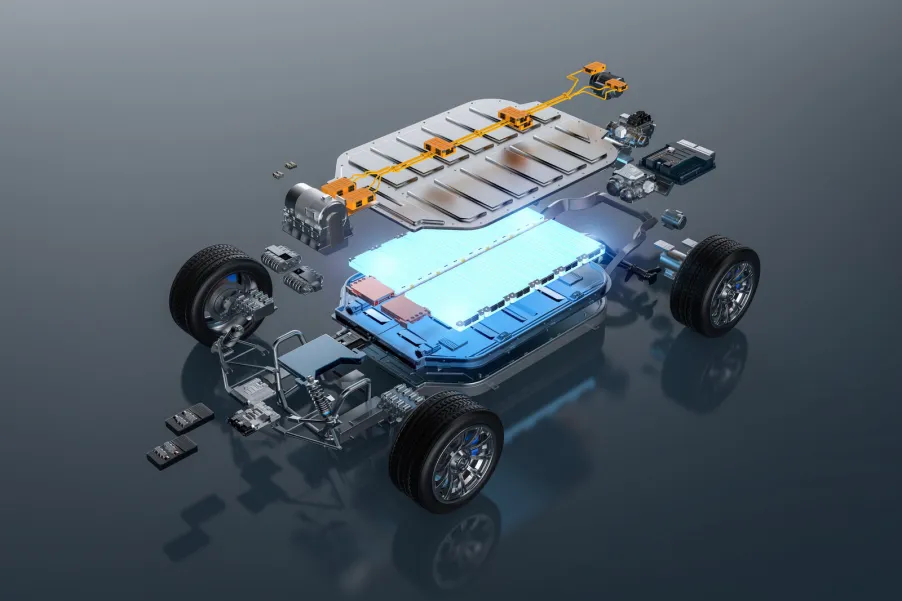
Toyota’s e-TNGA is a BEV-specific take on the broader TNGA platform strategy, focusing on low center of gravity, chassis rigidity, and consistent driving feel across models. Think of it as a flexible “skateboard” that determines how batteries, motors, and suspension fit under the vehicle—so Toyota can spin off multiple bZ body styles efficiently without reinventing fundamentals.
Range, Charging, and Real-World Expectations
- EPA Range (2025 bZ4X, U.S.)
- XLE FWD: up to 252 miles
- XLE AWD: up to 228 miles
- Limited FWD: up to 236 miles
- Limited/Nightshade AWD: up to 222 miles
(EPA estimates vary by trim, wheel/tire, temperature, and driving style.)
- Charging Time (Toyota guidance; real-world varies):
- DC Fast Charging (ideal conditions): FWD models: ~30 minutes 20–80%; AWD: ~60 minutes 20–80% (lower peak rates on AWD).
- Level 2 (240V home/public): ~9.5 hours from low battery to full.
- Level 1 (120V wall): ~50 hours from low battery to full—fine for a plug-in hybrid top-off routine, but slow for a BEV.
Why conditions matter: Ambient temperature, charger power (and whether it’s truly delivering it), battery preconditioning, and state of charge all affect speed. In fact, some advertising claims around 30-minute fast charging were flagged by U.K. regulators for not reflecting real-world variability; use official times as best-case estimates, not guarantees.
NACS / Tesla Supercharger Access: Where Things Stand
Toyota confirmed it is adopting the North American Charging Standard (NACS), with NACS ports on certain Toyota/Lexus BEVs starting in 2025 and adapters for CCS-equipped vehicles (like current bZ4X models) beginning in 2025. Translation: most U.S. bZ4X drivers should gain Tesla Supercharger access via an adapter, while future models transition to the native NACS inlet. Always check your specific VIN/trim and the automaker’s program details for eligibility and timelines.
Tesla also notes its Supercharger network is opening to more automakers throughout 2025, with adapter-based access rolling out as each brand activates support. If you’re shopping used or taking delivery soon, verify adapter availability and account linking in the owner portal before relying on Superchargers for your road trip.
Over-the-Air Updates (OTA): What to Expect
Toyota supports OTA software updates for eligible vehicles allowing infotainment, features, and in some cases performance refinements to be delivered wirelessly. The bZ4X launched with OTA capability; however, scope and cadence are brand-managed and can differ by region and model year. Look for OTA notes in your vehicle’s Toyota app and release notes in the infotainment system.
Quick Comparison: Toyota bZ4X (U.S.) at a Glance
Note: Toyota announced additional global bZ4X improvements in 2025 (e.g., faster AC charging, power tweaks). Specs and timelines differ by market; confirm U.S. applicability with your dealer or Toyota owner resources.
Practical Steps & Checklist (Apartment/Condo Friendly)
1) Map your weekly miles.
Log a typical week. If you drive < 180 miles/week, a bZ4X charged once or twice (L2 or overnight L1/L2) can work well; longer commutes demand reliable access to workplace or public L2 and occasional DC fast charging. (EPA range is not a promise—weather and speeds matter.)
2) Audit your charging reality.
- At home: Can your building add a 240V (L2) outlet or EVSE? If not, is 120V parking available near your spot to slow-charge?
- Near home/work: Use charging apps to inventory public L2/DCFC you’d actually use at your usual hours.
- Superchargers: If you’ll rely on Tesla sites, confirm adapter eligibility and app access for your bZ4X VIN.
3) Test-drive both FWD and AWD.
AWD adds traction and performance but can reduce peak fast-charge power and range. Decide based on climate, terrain, and road trips.
4) Right-size wheels/tires.
Bigger wheels often look great but can reduce range. Ask the dealer to show EPA range by trim/wheel before you sign.
5) Plan your first software update.
After delivery, connect Wi-Fi, sign into the Toyota app, and check for OTA updates. Keep a USB drive handy for map or infotainment updates if required.
6) Budget for a portable EVSE or L2 install.
If you have access to a 240V outlet, a Level 2 EVSE can bring you from low to full overnight. Condo dwellers: propose a “pilot outlet” to the HOA as a starting point.
7) Set road-trip expectations.
On winter trips, expect slower charging and plan extra stops. Precondition the battery when possible and arrive at fast chargers around 10–30% state of charge for best speeds. (Charging estimates are idealized; plan buffers.)
Common Mistakes & How to Avoid Them
Relying on the “30-minute” headline
- Fix: Treat charge times as best case. Temperature, charger quality, and AWD vs FWD all affect speed. Build a 15–20 minute buffer per stop on unfamiliar routes.
Assuming Supercharger access without checking
- Fix: Confirm adapter eligibility and timing for your specific bZ4X. Not every VIN gets access the same day; activation is brand-managed.
Overbuying wheel size and underestimating range impact
- Fix: Compare EPA figures by trim/wheel and prioritize efficiency if you road-trip or have cold winters.
Skipping software updates
- Fix: Enable OTA where supported; connect home Wi-Fi for smoother downloads and update prompts.
Assuming all DC fast chargers are equal
- Fix: Check kW ratings and station reliability. Some sites share power between stalls; others are capped below the car’s max. Plan alternates nearby.
FAQ
1) What is “Toyota bZ” in the U.S. market?
It’s Toyota’s BEV sub-brand; in the U.S., you’ll most commonly find the bZ4X compact SUV, built on Toyota’s e-TNGA platform for scalable battery/motor configurations.
2) Will my bZ4X work with Tesla Superchargers?
Toyota says CCS-equipped vehicles like the bZ4X will gain access via adapters starting in 2025, with future vehicles transitioning to native NACS ports. Availability is model-year/VIN specific; confirm before a trip.
3) What’s the realistic range?
EPA estimates run roughly 222–252 miles depending on trim and drive layout. Cold weather, high speeds, and big wheels can reduce this. Test your own commute and plan charging accordingly.
4) How long does it take to fast charge?
In ideal conditions, FWD models can add 20–80% in about 30 minutes; AWD can take ~60 minutes for the same window due to different peak rates. Real-world times vary.
5) Does Toyota support OTA updates?
Yes, select models support over-the-air updates, and the bZ4X launched with OTA capability. Scope varies; check your Toyota app for notices.
6) Is e-TNGA different from regular TNGA?
Yes—e-TNGA is BEV-specific within the broader TNGA program. It’s designed for battery placement, modularity, and strong chassis fundamentals across body styles.
7) I live in an apartment—can I still make this work?
Often, yes. Many owners rely on public Level 2 near home/work and occasional DC fast charging. Confirm your NACS adapter timeline if you’ll depend on Superchargers, and map reliable local options before you buy.
Related: Dodge Charger EV — Buyer’s Guide for Muscle-Car Fans and EV-Curious Shoppers
Conclusion
Toyota bZ anchored by the bZ4X offers a measured, mainstream path into BEV ownership for U.S. shoppers who value Toyota’s approach to reliability and familiar ergonomics. The essentials are straightforward: ~222–252 miles of EPA range depending on trim; Level 2 home or public charging for daily life; and DC fast charging for trips with realistic buffers. The ongoing NACS/Supercharger rollout in 2025 meaningfully expands charging options especially if you’re an apartment dweller leaning on public networks. OTA capability and a scalable e-TNGA platform suggest Toyota’s EV roadmap will keep evolving; just confirm the specifics for your build date and VIN.
If you’re cross-shopping hybrids, note that bZ4X’s ownership rhythm is different: you plan energy around where and when you charge, not gas stations. But for many eco-conscious, cost-savvy commuters, that trade-off brings quieter drives, lower routine maintenance, and predictable at-home fueling once your charging plan is dialed in.