Summary
General Motors is easing off the accelerator on electric-vehicle output, pausing some lines and stretching ramp timelines at Spring Hill, Tennessee, and Detroit-Hamtramck (Factory ZERO). The moves affect Cadillac Lyriq and Vistiq, GMC Hummer EV, and Cadillac Escalade IQ. The decision follows softer demand after the federal EV purchase incentive ended, and GM recorded an estimated $1.6 billion charge tied to resizing EV capacity. For shoppers, this is less a retreat and more a recalibration: fewer near-term build slots, tighter trim availability, and a bigger role for regional incentives and dealer allocation in what you can actually buy.
What happened (and when)
- Early September to early October 2025: Factory ZERO idled temporarily to align production of Hummer EV and Escalade IQ with demand. Workers were reassigned during the pause, and the plant has since resumed operations on a moderated cadence.
- October 2025: GM briefed employees and media on reduced EV production run-rates and planned downtime at Spring Hill, TN, where the Cadillac Lyriq is built and the upcoming Vistiq is scheduled to ramp.
- December 2025: A scheduled halt at Spring Hill will be followed by reduced shifts into the first half of 2026, with smaller, targeted closures when necessary to balance supply.
- Mid-October 2025: GM disclosed an estimated $1.6 billion charge, reflecting a reset of EV capacity and the timing of certain launches amid a weaker demand outlook.
Why now: The federal clean-vehicle purchase credit that propped up entry pricing for many buyers is no longer available. That instantly raised effective transaction prices and monthly payments, creating short-term demand friction right as several Ultium-based models were hitting scale.
What’s affected (plants, models, timing)
| Plant (State) | EV Models | Action & Window | Shopper Impact |
|---|---|---|---|
| Detroit-Hamtramck “Factory ZERO” (MI) | GMC Hummer EV; Cadillac Escalade IQ | Temporary pause in early fall 2025; moderated run-rates afterward | Intermittent availability by trim; special-order ETAs may slip 4–10 weeks |
| Spring Hill (TN) | Cadillac Lyriq; Cadillac Vistiq | December 2025 halt; reduced shifts through H1 2026 | Fewer build slots; certain color/trim combos limited; plan deposits and timing carefully |
| Corporate / Programs | Ultium portfolio; future Bolt program timing | Capacity right-sizing; schedule resequencing | Expect conservative ramps and staged allocations to dealers |
Bottom line: The products aren’t canceled and specs aren’t being detuned; GM is pacing production with demand and capital. If you want a specific configuration, the gating factor is allocation and scheduling, not whether the model exists.
Why GM is tapping the brakes
Incentive shock: The federal new-EV purchase credit exiting the market in October raised effective prices at the exact moment mainstream shoppers were cross-shopping EVs against discounted gas SUVs and trucks. Affordability is the single biggest predictor of EV adoption in the mass market.
Demand re-forecasting: Automakers adjust production to order rates. Rather than stacking unsold EV inventory or underwriting across-the-board discounts, GM is trimming shifts and pausing lines to keep supply in step with demand. If order flow improves—via policy changes, lower financing costs, or stronger consumer incentives—output can be dialed back up.
Operational discipline: Slower ramps reduce scrap, warranty risk, and overtime while letting the supply base stabilize. It’s cheaper to hold back now than to unwind bloated inventory later.
Portfolio timing: A moderated cadence buys time to optimize the launch mix—what trims to prioritize, where to send early allocations, and how to position upcoming entries like Vistiq without cannibalizing Lyriq.
What it means for shoppers (power, range, pricing)
Power and performance: No change. The cuts are about volume, not engineering. Lyriq, Hummer EV, and Escalade IQ retain their published outputs, battery sizes, and performance envelopes. What may change is which trims are buildable in a given month.
Range and charging: Expect the same range targets and DC fast-charge guidance. However, allocation can affect which wheel/tire packages or dual-motor configurations are available near you, and those choices can nudge rated range. If you care about maximum range, be flexible on color and options so you can take the right build when it appears.
Pricing and deals: With the federal credit gone, two things will drive affordability: manufacturer/dealer programs and the finance environment. Don’t assume cuts equal fire-sale pricing. In tighter-supply ZIP codes, transaction prices can firm up. In others, targeted dealer cash, APR support, or lease programs may fill the gap. Check weekly; these offers move.
Wait or buy: If you’re flexible on timing and trim, waiting for the post-pause cadence to settle could broaden your choices. If you need a vehicle soon, talk to multiple dealers about incoming stock and transfers; sometimes the exact build is already allocated to a nearby store.
Quick comparison: GM’s EV production adjustments (2025)
- Scope: Targeted pauses and slower ramps, not program cancellations.
- Financial: One-time charge of roughly $1.6 billion to reflect lower near-term utilization and adjusted launch timing.
- Policy backdrop: The exit of the federal clean-vehicle purchase credit is a major affordability headwind.
- Timeline risk: Most acute from late 2025 through the first half of 2026 at Spring Hill; Factory ZERO continues with moderated output.
Practical steps / checklist
For auto shoppers in the U.S.:
- Confirm allocation before you deposit. Ask for your dealer’s actual build allocation and the estimated production week for your spec. Don’t rely on generic wait-list promises.
- Re-price without the federal credit. Run the math at today’s APRs with realistic taxes and fees. If leasing, compare residuals and money factors across regions.
- Hunt for local incentives. State, county, utility, and even employer programs can meaningfully offset costs. A smaller, stackable rebate can beat a national headline APR in real terms.
- Stay trim-flexible. If you must have a specific wheel, color, or pack that’s constrained, widen your radius and ask dealers about incoming transfers.
- Evaluate charging realistically. If you road-trip, test the routes you’ll use, not a lab scenario. Confirm your home electrical plan and total installed cost for Level 2.
- Mind insurance. Some EVs carry higher premiums; quotes vary by trim and ZIP. Price it before you finalize.
- Lock financing early. Pre-approvals give you a rate benchmark and leverage if a dealer finance offer improves at the last minute.
- Inspect software and hardware at delivery. Verify software version, DC fast-charging handshake, and driver-assist calibration. Note any transport damage before signing.
For editors creating buyer’s guides:
- Use specific dates and plant names. Readers need “what, where, when” clarity they can verify.
- Flag incentive status prominently. Make it obvious whether a given credit is active at publish time.
- Explain allocation. Many delays stem from build slots, not factory downtime alone.
- Separate engineering from logistics. Production pacing doesn’t mean the product is underperforming.
Common mistakes & how to avoid them
- Assuming cuts guarantee cheaper prices: Limited supply can harden transaction prices, especially on halo trims. Always check real dealer quotes, not just MSRPs.
- Skipping allocation checks: Deposits without production-week visibility lead to frustration. Ask for documentation on allocation, not just a place in line.
- Forgetting the total cost of ownership: Without the federal purchase credit, TCO hinges on electricity rates, insurance, maintenance, and financing. Build a realistic five-year view.
- Over-relying on brochure charge times: Fast-charge curves vary with temperature, state of charge, and station software. Leave buffer time on road trips.
- Confusing pauses with cancellations: A pause is a dial, not a guillotine. Watch for ramp restarts and trim mix shifts before declaring a model dead.
- Ignoring local inventory networks: Your exact spec may be landing 50 miles away next week. Ask about dealer trades and transfers.
FAQ
1) Which GM EVs are most directly affected right now?
Cadillac Lyriq and Vistiq at Spring Hill, plus GMC Hummer EV and Cadillac Escalade IQ at Factory ZERO. Expect fewer build slots and occasional trim gaps as schedules stabilize.
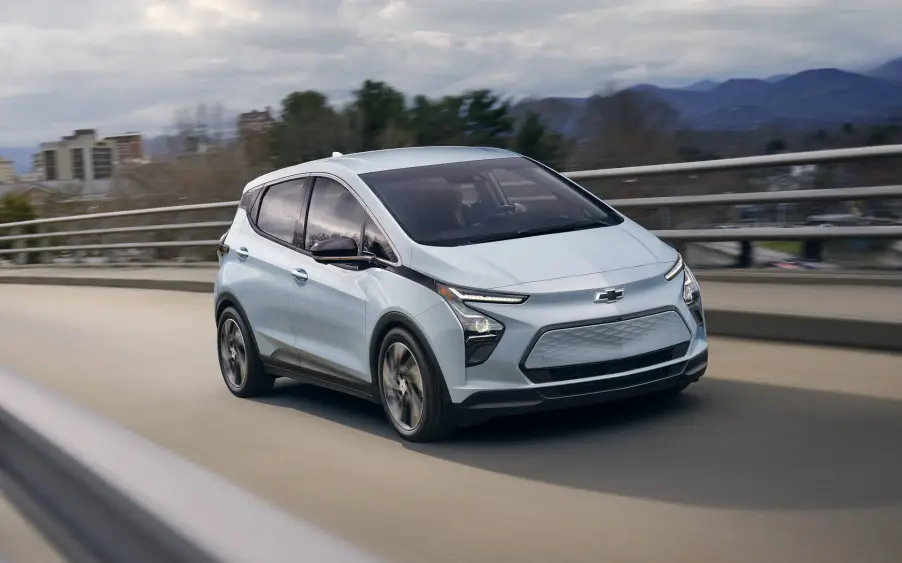
2) Is the Chevy Bolt EV canceled?
No. The slowdown relates to pacing and scheduling. Program timing and shift plans are being re-sequenced, not abandoned.
3) Why did demand cool so quickly?
Affordability. The loss of the federal clean-vehicle purchase credit raised out-the-door prices, and financing costs remain a factor. When payments rise, order intake softens.
4) Will GM reduce specs or range to save costs?
There’s no indication of detuned performance or range targets. The focus is on production cadence and capital efficiency, not changes to the hardware you buy.
5) Could prices improve later?
Possibly. If GM leans on targeted dealer cash, APR support, or lease subvention, some trims may become more attractive. Availability and offers will vary by region and month.
6) How long will the pauses last?
The Factory ZERO pause was time-boxed earlier in the fall. The Spring Hill halt is scheduled for December, followed by reduced shifts into the first half of 2026. Exact cadence can change with order flow.
7) What should I do if I’m ordering a Lyriq or Hummer EV now?
Confirm allocation and ETA in writing, stay flexible on color and wheels, and price both purchase and lease paths. If you have a required date—say, a lease ending—build in buffer time.
Related: Hybrid Vehicles: The Practical Bridge Between Gas and Electric
Conclusion
GM’s EV production trim-down is best understood as precision braking. The cars remain; the cadence changes. With the federal purchase credit gone, the company is prioritizing capital discipline and alignment with real order flow, hence pauses at Factory ZERO, a December halt at Spring Hill, and reduced shifts into early 2026. For shoppers, the practical moves are straightforward: verify allocation before you deposit, price ownership without the lost federal credit, check local incentives weekly, and leave room in your timeline. For editors, the assignment is clarity—anchor coverage in dates, plants, and models, and keep incentive status obvious at publish time. The next two quarters will show whether demand stabilizes under the new affordability math.