Summary
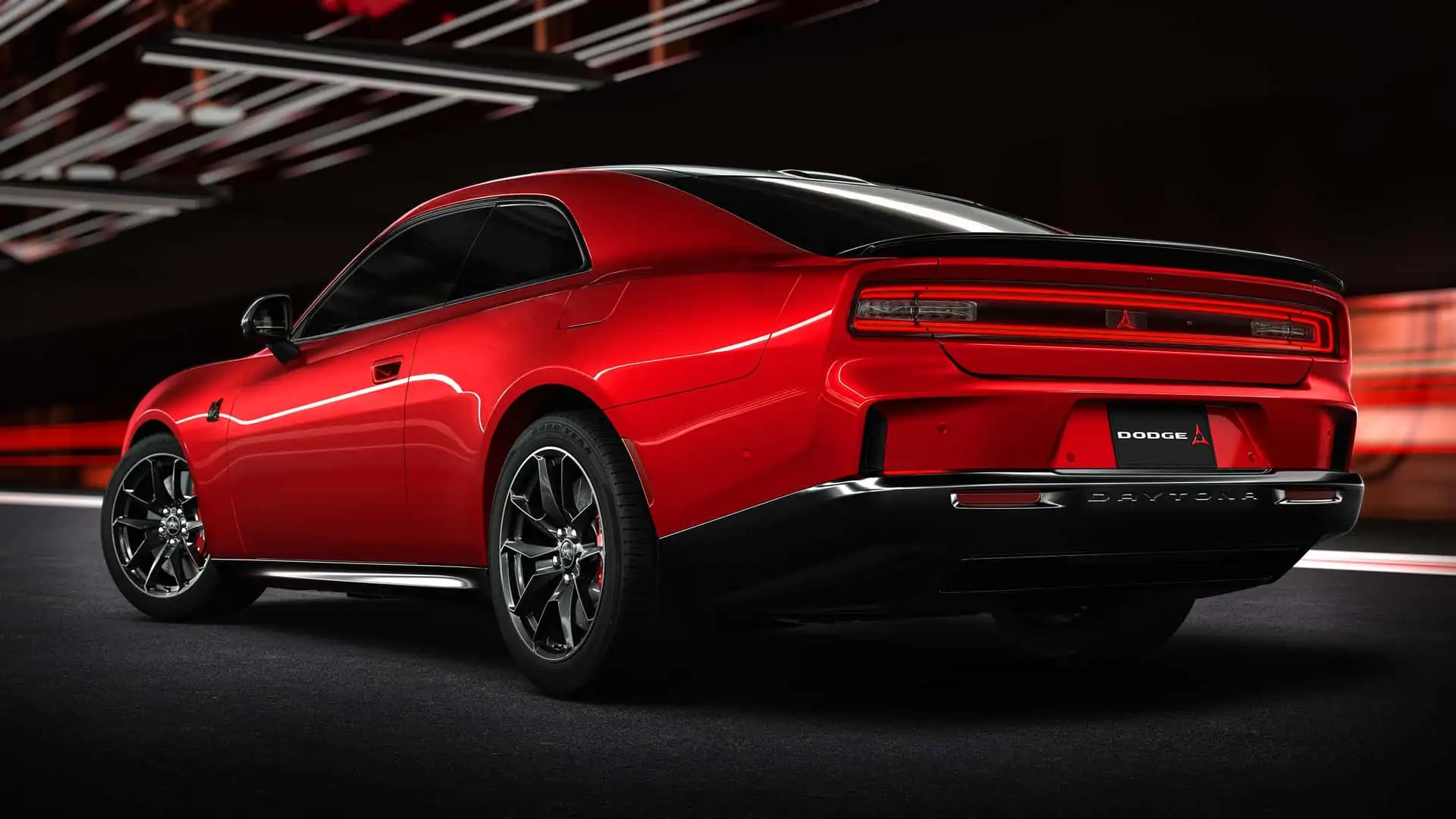
The Dodge Charger EV (officially Charger Daytona) brings classic American muscle attitude to a modern dual-motor AWD platform. It launches in R/T (496 hp) and Scat Pack (670 hp) trims, with two-door models leading the rollout and a four-door Daytona to follow. Dodge lists 2025 availability for the four-door, with official performance claims including 3.3-second 0–60 mph for the Scat Pack. Range and charging are still settling, but current guidance points to ~308 miles (R/T) and ~241 miles (Scat Pack), and a ~183 kW DC fast-charge peak with ~20–80% in ~27 minutes under ideal conditions.
What the Dodge Charger EV Is (and Isn’t)
Dodge is positioning the Charger Daytona as the electric muscle car—not a hyper-efficient aero pod and not a stripped track special, but a street-tough coupe/hatch with theater. Even the sound gets attention, via Dodge’s Fratzonic Chambered Exhaust that synthesizes a muscle-car growl. The launch lineup centers on two trims:
- Charger Daytona R/T — Dual-motor AWD, up to 496 hp.
- Charger Daytona Scat Pack — Dual-motor AWD, up to 670 hp, 3.3s 0–60 mph (factory claim).
Body styles & timing: Dodge led with two-door models and has a four-door Daytona slated to follow; Dodge materials and prior announcements have pointed to 2025 availability for that four-door. The hatchback-style liftback adds practicality for daily life.
Charging & range: Dodge quotes just over ~27 minutes for a 20–80% DC fast charge; independent guides have cited 183 kW peak and times that vary with conditions and taper (some list ~33 minutes, others slower). That’s competitive for a 400-volt EV, though not class-leading versus 800-V rivals.
Price & availability: Dodge’s newer pricing guidance pegs the Daytona Scat Pack starting at $59,995 (2026 MY); earlier announcements for the two-door lineup showed higher launch MSRPs, and the EV typically sits ~$5,000 above comparable gas Sixpack models. Always verify local dealer quotes.
Program changes: Reporting suggests future variants—most notably the high-voltage Banshee/SRT concept—have been altered or shelved; some details remain fluid, so expect lineup changes.
Quick Specs at a Glance
| Trim | Drivetrain | Max Power | 0–60 mph (claim) | DC Fast Charge (peak) | Est. Range* |
|---|---|---|---|---|---|
| Daytona R/T | Dual-motor AWD | 496 hp | n/a | ~183 kW | ~308 mi |
| Daytona Scat Pack | Dual-motor AWD | 670 hp | 3.3 s | ~183 kW | ~241 mi |
*EPA figures pending/variant-dependent. Estimates compiled from Dodge claims and reputable media testing/guides.
Range and Charging: What to Expect Day-to-Day
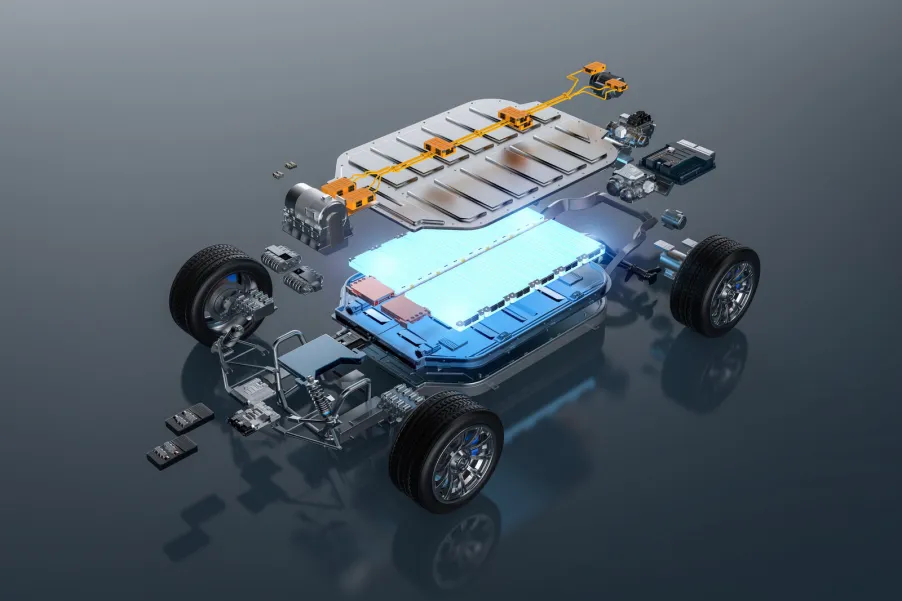
- Battery & architecture: Dual-motor AWD on a 400-V system with ~183 kW peak DC rate reported by multiple guides. Onboard AC charging is ~11 kW.
- Fast-charge time: Dodge claims ~27 minutes (20–80%); third-party resources list ~33 minutes under typical conditions and note taper can extend sessions. Weather, SOC arrival, and station quality are big factors.
- Range spread: Current estimates point to ~308 miles (R/T, most efficient wheel/tire) down to ~241 miles (Scat Pack, performance setup). Media testing broadly aligns with these bookends; wheel size and tires matter a lot.
Reality check: If you road-trip often on sparse charging corridors, plan conservatively arrive near 10–20%, leave around 60–80%, and expect 20–40 minute sessions depending on taper and station availability. The Charger’s 400-V hardware won’t match the very fastest 800-V charge curves, but it’s workable for weekend getaways and regional drives.
Performance and Handling
- Power & launch: 670 hp Scat Pack with 3.3-second claimed 0–60 mph gives you genuine Hellcat-rivaling thrust—now with electric immediacy and AWD traction. PowerShot overboost features in reviews add repeatable drama.
- Chassis & feel: The two-door’s liftback body brings daily practicality, and early tests of the four-door indicate confident handling despite weight. Brembo brakes and performance drive modes underline the “muscle first” intent.
- Theater: Fratzonic sound and Donut/Drift modes (Scat Pack) keep the Charger’s personality intact in the EV era.
Pricing, Trims, and Availability
- MSRP snapshots:
- 2026 Charger Daytona Scat Pack: from $59,995 (excl. destination).
- Earlier two-door announcements listed higher initial figures; recent moves suggest price realignment and that the EV slots above the gas Sixpack by roughly $5,000.
- Destination and options add up quickly; check local inventory and incentives (lease terms may provide federal credit passthrough).
- Availability:
- Two-door models led the launch; four-door Daytona slated to follow in 2025 per Dodge. Always confirm with dealers for real build slots and allocation.
Note: Pricing and configurations can change model-year to model-year; Dodge has adjusted both lineups and stickers in the past year. Treat dealer quotes as the source of truth.
How the Charger EV Compares (Briefly)
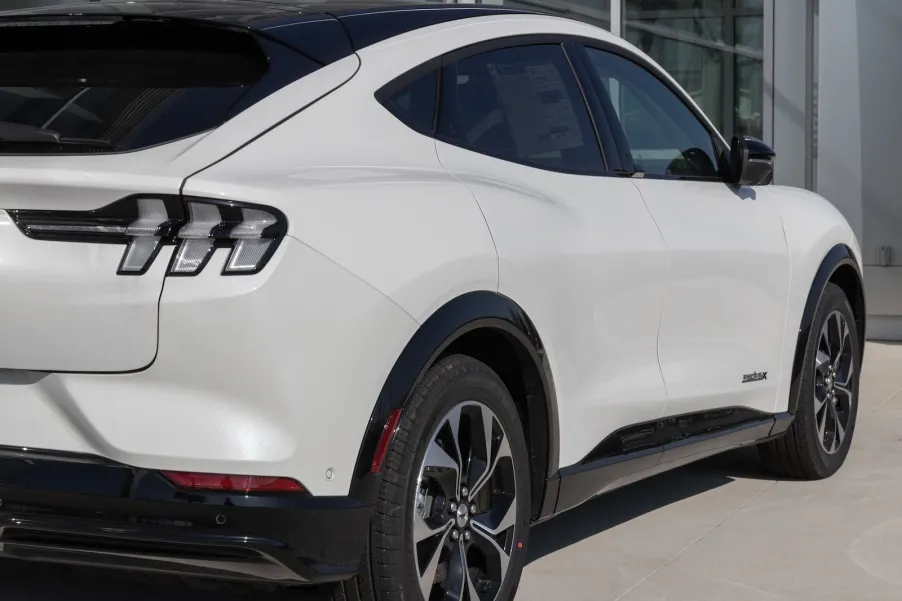
Ford Mustang Mach-E GT / Performance — Quicker charging at many sites and strong performance value, but it’s a crossover rather than a muscle-coupe hatch. If you want the muscle-car vibe, the Dodge feels more thematically aligned.
Hyundai Ioniq 5 N — Very fast 800-V charging and a track-friendly setup with theatrics of its own, but again, it’s a hot hatch/crossover, not an American coupe.
Tesla Model 3 Performance — Extremely quick and efficient with robust charging network access via adapters, but sedan form and minimalist character make it a different proposition from a big, dramatic muscle coupe.
The Charger EV’s niche is clear: American muscle design and drama with real EV thrust. If that’s your vibe, nothing else substitutes.
Buyer’s Table: Trims and Key Differences
| Area | Daytona R/T | Daytona Scat Pack |
|---|---|---|
| Output | Up to 496 hp | Up to 670 hp |
| Drivetrain | Dual-motor AWD | Dual-motor AWD |
| 0–60 mph (claim) | n/a | 3.3 s |
| Est. Range (guide) | ~308 mi | ~241 mi |
| Character | Balanced daily muscle | Maximum theater & thrust |
| Likely Price Position | Lower | Higher |
Sources for power, 0–60, and range/charging: Dodge product pages and independent testing/estimates.
Practical Steps / Checklist
- Pick your vibe first: If you want the full send experience (Fratzonic sound, Donut/Drift modes, launch bravado), shortlist the Scat Pack. If you want better range and daily balance, start with the R/T.
- Audit your charging reality: Map your home charging (can you install a 240-V / 11-kW Level 2?) and your frequent road routes. Chargers with reliable 200-kW stalls will make the ownership experience smoother.
- Wheel/tire choice matters: Expect meaningful range hits with wider, stickier rubber. If range is a priority, choose the most efficient wheels/tires offered.
- Shop across model years: The EV market (and Dodge’s lineup) is shifting; 2026 pricing has already moved. Ask dealers about MY changes, allocation, and any lease credit passthrough advantages.
- Test the theater: Drive one. The sound augmentation and drive modes are polarizing; make sure it’s your flavor of fun.
- Plan depreciation & insurance: High-output EV coupes can carry higher insurance; get real quotes before signing.
- Confirm OTA & warranty basics: Ask about software updates cadence, battery warranty, and roadside support.
Common Mistakes & How to Avoid Them
- Assuming all charge times are equal. Real-world taper means your 20–80% session can stretch beyond brochure numbers—especially at busy or cold chargers. Budget extra time.
- Over-tiring for the daily grind. Track-leaning rubber may shrink range and raise costs. If you don’t need max grip, spec efficiency-oriented wheels/tires.
- Forgetting year-over-year changes. Dodge has revised pricing and plans (and some variants have reportedly shifted or been shelved). Re-check specs when you place an order.
- Ignoring cargo access differences. The liftback is a real perk for daily life—make sure it fits your gear and child-seat needs.
- Not cross-shopping gas Sixpack vs EV. The EV often prices ~$5k above comparable Sixpack trims; incentives and energy costs can shift the TCO math—run the numbers.
FAQ
Is the Dodge Charger EV really fast?
Yes. Dodge claims the Scat Pack does 0–60 mph in 3.3 seconds, backed by 670 hp and AWD. That’s bona fide muscle-car performance.
What’s the real range?
Guidance points to ~308 miles on R/T (efficient spec) and ~241 miles on Scat Pack. Final EPA figures vary by wheel/tire and model year—check the window sticker.
How fast does it charge?
Peak ~183 kW DC; Dodge says just over ~27 minutes 20–80% under ideal conditions. Some third-party guides show ~33 minutes or longer due to taper.
What’s the price?
Recent official materials list the 2026 Daytona Scat Pack from $59,995 before destination. Early two-door pricing announcements were higher; the EV typically sits above gas Sixpack models. Confirm with your dealer.
Is the four-door available?
Dodge indicates four-door Daytona availability in 2025; confirm local timing and allocations.
What happened to the Banshee/SRT?
Multiple reports indicate plans have changed or been shelved; Stellantis communications and media coverage suggest an evolving strategy. Keep an eye on updates.
Will it qualify for federal incentives?
Purchase eligibility varies; prior guidance indicated lease passthrough may be available. Always check current IRS rules and dealer programs.
Related: Hybrid Vehicles: The Practical Bridge Between Gas and Electric
Conclusion
If you’ve been waiting for an electric muscle car that still looks, sounds, and feels like a Dodge, the Charger EV (Daytona) is the point of entry. The Scat Pack delivers headline performance and attitude; the R/T offers a saner range/price balance. Charging and range are competitive if not class-leading, and ongoing price and product-plan adjustments make this a segment to watch closely.
Your smartest move: test-drive both trims, confirm local charging realities, and price out both EV Daytona and gas Sixpack equivalents. Then pick the one that best fits how you’ll actually drive—even muscle cars are better when they match your life.