The phrase EV recall nightmare has gained traction not because electric vehicles are failing as a concept, but because the rapid pace of innovation is colliding with real-world safety, manufacturing scale, and regulatory pressure. Between 2025 and 2026, a wave of high-profile recalls exposed weaknesses across software systems, battery manufacturing, and even basic vehicle access design. For consumers who believed electric vehicles had moved past early growing pains, these events were a wake-up call.
Electric vehicles promise cleaner transportation and lower long-term operating costs, yet recalls remind us that new technology carries new types of risk. Understanding what went wrong, why it happened, and what it means for buyers is essential—not to fuel fear, but to make informed decisions.
Why EV Recalls Feel More Alarming Than Traditional Ones
Recalls are not new to the automotive industry. Gasoline vehicles have faced decades of recalls related to airbags, fuel systems, and emissions. What makes EV-related recalls feel more severe is the nature of the problems. Battery fires, software-controlled parking systems, and electronic door mechanisms introduce failure points that didn’t exist in older vehicles.
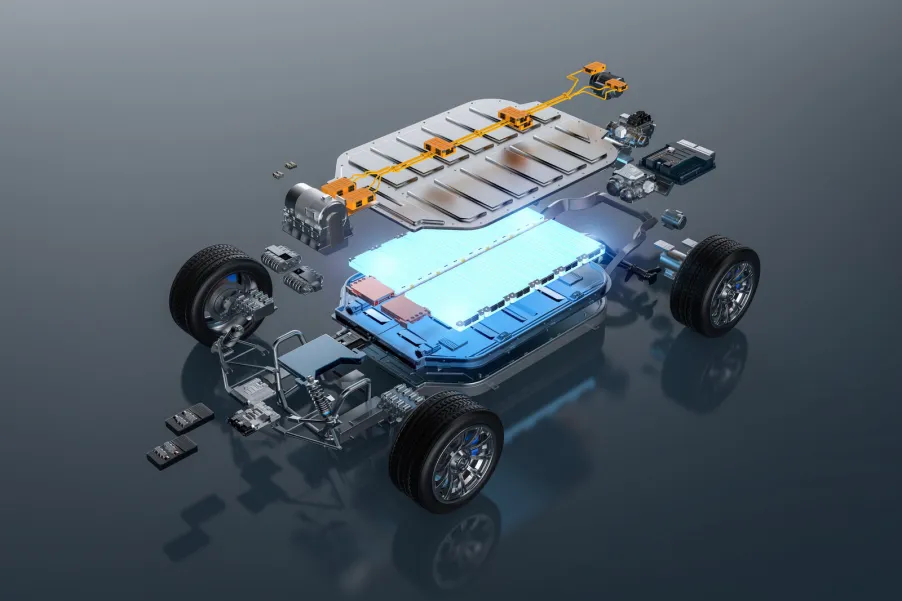
Electric vehicles rely heavily on software and high-voltage battery packs. When something goes wrong, the consequences can be more complex than a mechanical defect. A faulty line of code can cause a vehicle to roll away. A misaligned battery cell can escalate into thermal runaway. These are not hypothetical concerns—they’ve already happened.
Battery Safety and Fire-Related Defects
Battery integrity has been at the center of several major recall actions. In the U.S. and abroad, manufacturers faced scrutiny over how battery packs were assembled and monitored.
Volkswagen recalled more than 40,000 ID.4 electric SUVs from the 2023–2025 model years after discovering misaligned battery electrodes. Owners were advised to park outdoors and away from structures due to elevated fire risk—an instruction that understandably rattled consumer confidence.
In China, BYD recalled nearly 90,000 Qin PLUS DM-i vehicles after identifying battery defects that could lead to overheating. While many fixes were delivered through over-the-air updates, some vehicles required physical inspection and repair, highlighting that software alone cannot always resolve hardware flaws.
EV battery fires are especially challenging because thermal runaway can exceed 1,000°C (1,832°F) and continue burning for many hours. Firefighters often must use enormous volumes of water and isolate vehicles for extended periods. This does not mean EVs catch fire more frequently than gasoline cars, but when they do, mitigation is far more complex.
Software Failures and Unintended Vehicle Movement
Another unsettling chapter in the EV recall nightmare involved vehicles that could move when they shouldn’t.
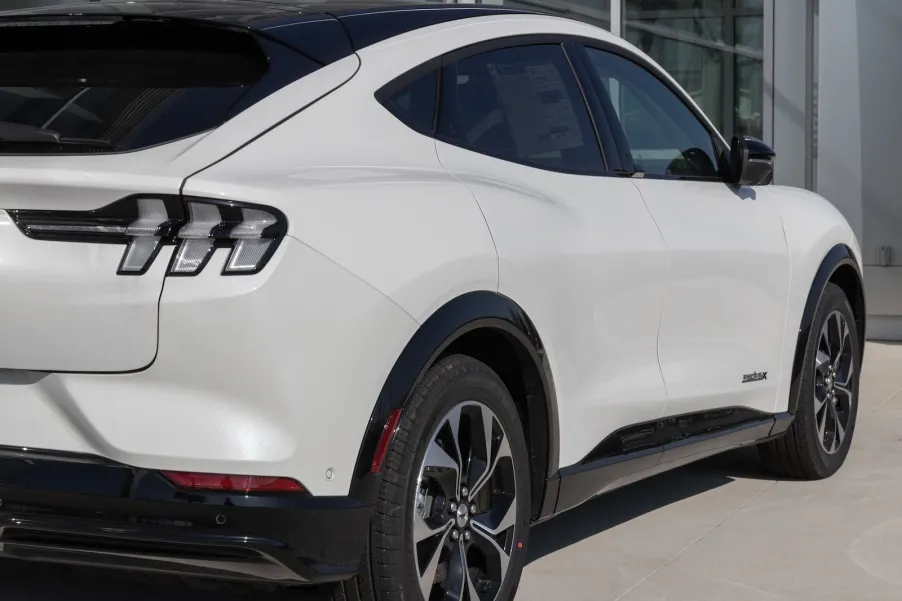
Ford recalled over 270,000 electric vehicles, including the F-150 Lightning and Mustang Mach-E, after discovering a software issue in the electronic parking system. Under certain conditions, the vehicle could fail to engage Park, increasing the risk of roll-away incidents.
This type of defect underscores how EVs differ fundamentally from traditional vehicles. Mechanical parking pawls have been replaced—or supplemented—by electronic modules. When software fails, the consequences can be immediate and dangerous, especially on inclines or in crowded environments.
Structural and Suspension Concerns
Not all EV recalls stem from batteries or software. Some relate to physical components affected by new service procedures or design assumptions.
Rivian recalled approximately 20,000 R1T and R1S vehicles after discovering that a rear suspension toe link joint could separate. The issue was traced to a flawed service procedure rather than the original design, illustrating how even post-production processes can introduce risk.
This type of recall reinforces the importance of trained technicians and standardized repair protocols, especially for newer manufacturers still refining their service networks.
Accessibility and Emergency Safety Challenges
One lesser-discussed but critical issue involves vehicle access during emergencies. Several EV designs rely on electronic or concealed door handles that may not function if the battery loses power after a collision.
In response to safety concerns, Chinese regulators announced a ban on hidden electric door handles starting in 2027, requiring physical handles that remain operable even when power is lost. While this regulation applies to China, it has global implications, pushing manufacturers to rethink design priorities in favor of emergency accessibility.
A Realistic Ownership Scenario
Imagine an EV owner who parks their vehicle in a home garage overnight. After receiving a recall notice advising outdoor parking due to fire risk, their daily routine is instantly disrupted. Insurance questions arise. Home safety concerns follow. Even if the statistical risk is low, the psychological impact is significant—and that’s what defines a recall nightmare for consumers.
I remember reading a recall notice late one evening and realizing that something as simple as where I parked my car now carried an unexpected layer of anxiety.
How EV Recalls Compare to Traditional Vehicle Recalls
| Area of Concern | Electric Vehicles | Gasoline Vehicles |
|---|---|---|
| Primary fire risk | Battery thermal runaway | Fuel system leaks |
| Common recall trigger | Software or battery defects | Mechanical wear or parts failure |
| Repair method | OTA updates + hardware fixes | Physical repairs only |
| Emergency response | Specialized firefighting needed | Conventional methods |
| Long-term trend | Rapid improvement cycle | Mature, incremental changes |
This comparison reveals that EV recalls are not necessarily more frequent, but they are often more visible and disruptive due to the technology involved.
The Real Value Proposition for Consumers
Despite these challenges, the long-term value of electric vehicles remains strong when approached with realistic expectations. Modern EVs benefit from rapid feedback loops—software updates, data-driven diagnostics, and regulatory oversight that forces transparency. Recalls, while inconvenient, also demonstrate that manufacturers are actively monitoring and correcting issues rather than ignoring them.
Consumers who stay informed, respond promptly to recall notices, and choose brands with strong service infrastructure are better positioned to enjoy the benefits of electrification without undue risk.
Related: Used EVs: The Smart Buyer’s Guide for 2025 (USA)
Conclusion
The EV recall nightmare narrative is rooted in rapid technological evolution rather than systemic failure. Battery defects, software issues, and design oversights have exposed vulnerabilities, but they have also accelerated improvements in safety standards and accountability. Electric vehicles are not inherently unsafe, yet they demand a higher level of awareness from manufacturers, regulators, and owners alike. For buyers willing to balance innovation with caution, EVs remain a viable and forward-looking choice.
FAQs
Are EV recalls more dangerous than gas vehicle recalls?
Not necessarily, but EV recalls often involve high-voltage systems or software, which can feel more serious due to their complexity.
Do EVs catch fire more often than gasoline cars?
Available data suggests EV fires occur less frequently per vehicle, though they are harder to extinguish when they happen.
Can software updates fix all EV recall issues?
No. While OTA updates are powerful, some defects—especially hardware-related ones—still require physical repairs.
Should recalls stop me from buying an EV?
Recalls should inform your decision, not define it. Look for manufacturers with transparent recall handling and strong service support.
What should EV owners do when a recall is announced?
Follow manufacturer guidance immediately, schedule inspections promptly, and monitor official updates until the issue is resolved.