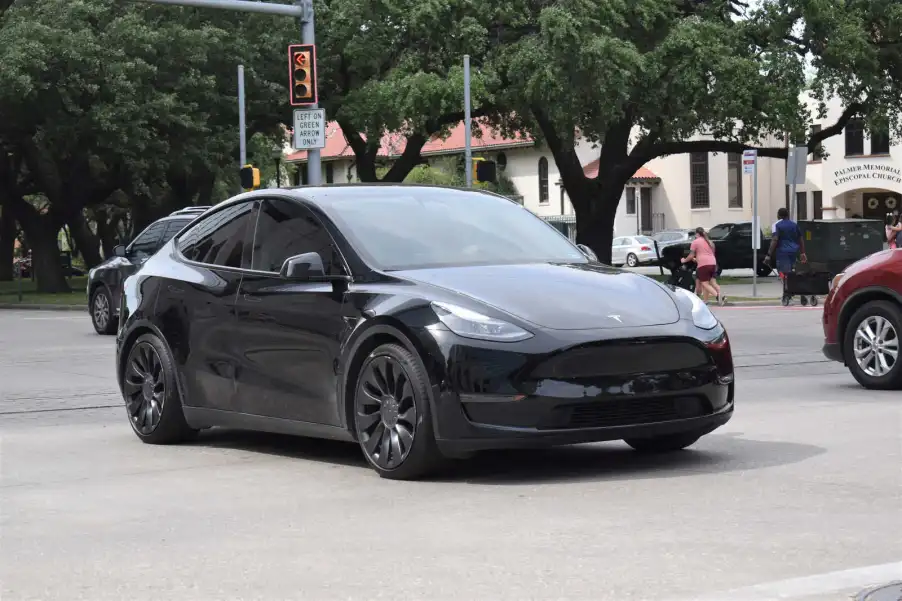
Buying a Tesla used to be a simple either/or. Today, the compact Model 3 sedan and Model Y crossover overlap on price, range, and tech—but feel very different to live with. If you’re torn between them, this guide breaks down the real-world differences: space, range, charging, incentives, and even the often-ignored costs like insurance and repairs.
Quick Take: Same Tech DNA, Different Daily Rhythm
At a glance, you’re choosing between sleek sedan and spacious crossover. Both give you that clean Tesla interface, smooth one-pedal driving, and access to the Supercharger network. The key fork in the road is practicality: the Model 3 feels lower, tighter, and more efficient. The Model Y rides higher, swallows gear like a small SUV, and is simply easier for families. Tesla lists the Model 3 with ~321–363 miles EPA-est. range depending on configuration and about 24 cu ft of cargo; the Model Y counters with ~34–36 cu ft with seats up and ~74–76 cu ft max—a massive jump for strollers, luggage, or flat-pack furniture. Tesla+3Tesla+3Edmunds+3
Space & Practicality: The Y’s Big Advantage
If you routinely carry people, pets, or bulky stuff, the Model Y is the easy pick. Official figures and independent spec pages peg it around 34–36 cu ft behind the second row and ~74–76 cu ft with seats folded—minivan-like flexibility in a compact footprint. The Model 3’s trunk plus frunk setup is clever but smaller at ~24 cu ft total. That’s fine for a weekly grocery run or a couple of carry-ons; less ideal for a weekend camping haul. Daily ease matters, too: the Y’s higher seating position and hatch opening make loading simple, while the 3’s sedan trunk is lower and narrower.
Dimensions snapshot (2025):
- Model 3: five seats, compact sedan footprint, ~3,760–4,000 lb curb weight (trim-dependent).
- Model Y: five seats, crossover stance, ~4,100+ lb curb weight, available tow rating up to 3,500 lb on many trims.
Range, Efficiency & Drive Feel
The Model 3 remains Tesla’s efficiency champ. Current specs show EPA-estimated range from the low-320s to mid-360s miles, depending on battery/motor. The Model Y typically trails slightly on efficiency due to its taller body and extra mass, though real-world differences may be modest if you do lots of city driving. On the road, the 3 feels lighter and more planted, with a sport-sedan vibe. The Y is calmer and more upright—great visibility, a touch more headroom, and a friendlier step-in height for kids or grandparents.
Performance note: Both offer brisk acceleration; even base versions feel quick. If you crave punch, Tesla’s dual-motor trims sharpen throttle response dramatically. (Official 0–60 times vary by model year and trim; check your exact configuration when ordering.)
Charging & Road Trips: Supercharger Access Is the Trump Card
Both cars use Tesla’s NACS interface, unlocking the Supercharger network—the most reliable fast-charging experience in North America. Tesla confirms broader NACS adoption across the industry through 2025, which keeps the ecosystem healthy and expanding. Translation: whether you own a 3 or a Y, cross-country charging is straightforward, app-driven, and consistent.
Home charging remains the real money-saver. Combine an overnight Level 2 setup with time-of-use electricity rates and many owners find fuel costs dramatically undercut gasoline. There are also ongoing federal incentives for installing EV chargers at certain locations, which can offset hardware/installation; always verify current terms before you buy.
Pricing & Incentives: Mind the Post-September Shift
As of September 30, 2025, U.S. federal tax credits for new EV purchases and leases expired under new legislation, and Tesla subsequently raised some U.S. lease prices. Purchase MSRPs can still fluctuate based on Tesla’s frequent pricing updates, but the big headline is that the easy $7,500 federal boost is gone for now. If you’re budgeting strictly by total cost of ownership, this policy shift matters—especially if you were counting on that credit.
Insurance & Repair Reality: What the Data Says
Here’s the curveball many shoppers miss. EV insurance is trending higher than for comparable gas cars in 2025, and Teslas feature prominently in claim frequency stats. Insurify’s report (August 2025) and Mitchell’s Q1-2025 collision analysis show EVs averaging higher repair costs and labor hours, with Model Y and Model 3 appearing in a disproportionate share of repairable collision claims versus other EVs—Mitchell cites 3.12% average claim frequency for EVs overall in Q1 2025, while the Model Y and Model 3 alone accounted for roughly 29.47% and 26.95% of EV repairable claims, respectively. Insurify also pegs EV insurance about ~49% higher than gas on average in 2025. Context matters—these figures don’t mean a third of Teslas crash; they indicate these two high-volume models show up far more often in claim datasets than other EVs. Budget accordingly.
Why pricier to insure? High-voltage components, sensor-laden body panels, and limited aftermarket parts push repair bills up. This is trending industry-wide, not just for Tesla. (Rates vary by driver profile, region, and insurer—always get quotes for both vehicles before you decide.)
Tech, Cabin & UX: Same Screen, Different Vibe
Inside, both cars inherit Tesla’s minimalist UI one large center display, clean surfaces, and frequent over-the-air updates. The Model 3 feels cocooned and sporty; the Model Y breathes with more headroom and easier cargo access. Family add-ons like seat protectors, pet liners, and roof racks tend to be easier to live with on the Y. If you’re sensitive to ride firmness, test both on rough pavement; wheel/tire choices can change the feel substantially.
The Decision Matrix: Who Should Buy What?
- Choose Model 3 if… you prioritize range and efficiency, love a planted sport-sedan feel, and don’t routinely haul bulky cargo. City commuters and long-range travelers who pack light will be thrilled.
- Choose Model Y if… you want space and flexibility—strollers, sports gear, Costco runs—and prefer a higher seating position with a big hatch. Small families and anyone with an active lifestyle will appreciate the ease.
- On a tight total-cost budget? Factor insurance premiums and the post-September 2025 incentive landscape into your math. The Y’s space is fantastic, but the 3’s efficiency and likely slightly lower insurance for some profiles can help even things out. Always compare real quotes.
You might also like: 2018 Kia Optima: Complete Buyer’s Guide (Trims, Specs, Reliability & Costs)
Conclusion
Both the Model 3 and Model Y are compelling in 2025. The 3 wins on efficiency and road feel; the Y wins on space and usability. With federal purchase credits gone (for now) and insurance trending higher for EVs—particularly Teslas—your smartest move is to test-drive both, price out insurance for each VIN/trim, and weigh how often you’ll use that cavernous Y cargo bay. Pick the one that best fits your daily life, not just the spec sheet. If your world revolves around people and stuff, go Y. If your heart loves miles, handling, and sleek lines, go 3. Either way, you’ll get the Tesla experience—and the Supercharger safety net—on day one.