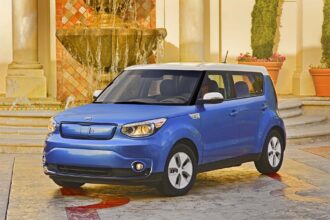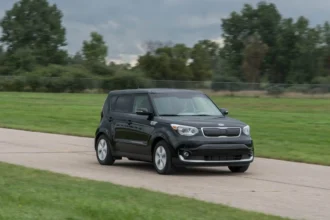
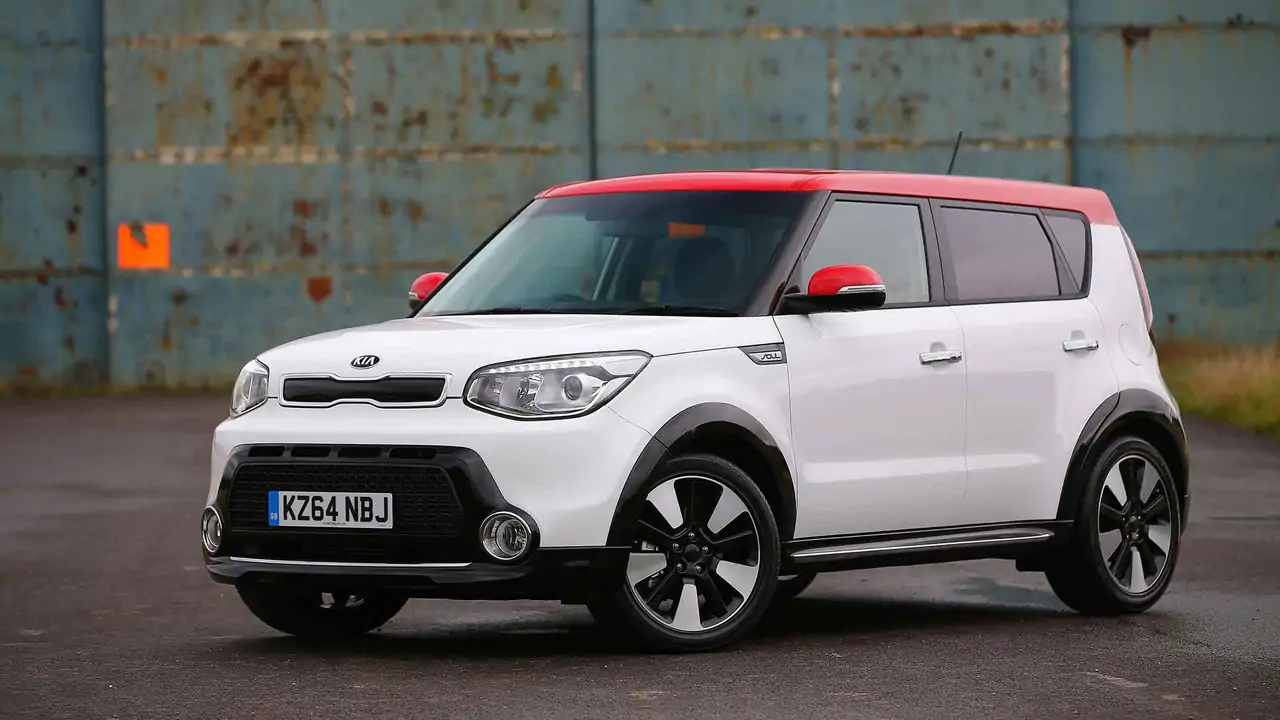
By 2017, electric vehicles were no longer just early-adopter curiosities. Buyers wanted better usability, smarter technology, and fewer compromises—and Kia responded by quietly refining one of the most approachable EVs on the market. The 2017 Kia Soul EV didn’t reinvent itself, but it polished nearly every area that mattered for real-world ownership.
This model year represented maturity. The Soul EV had already proven its reliability and practicality, and for 2017, Kia focused on making everyday electric driving more convenient, more connected, and slightly more comfortable without pushing prices out of reach.
Trim Levels That Balanced Value and Features
Kia continued offering the Soul EV in three trims: EV-e, EV, and EV+. This structure allowed buyers to choose between affordability and added tech rather than forcing a one-size-fits-all approach.
The EV-e trim, available in select markets, targeted budget-conscious EV buyers. Despite being the entry-level option, it still included essentials like DC fast charging, a rearview camera with a five-inch color display, heated front seats, and keyless start. It never felt stripped down, which was part of the Soul EV’s charm.
Moving up to the EV trim added advanced connectivity, navigation, and Kia’s UVO eco system, while the EV+ focused on comfort with leather seating, additional driver-assistance features, and premium interior touches. Instead of pushing luxury for its own sake, Kia kept the upgrades practical.
Battery, Motor, and Driving Experience
Under the floor remained the familiar 27 kWh lithium-ion polymer battery paired with a 109-horsepower electric motor producing 210 lb-ft of instant torque. While the numbers stayed the same, the driving experience felt more refined.
The EPA-estimated range remained 93 miles, which was still competitive for its segment in 2017. More importantly, Kia improved charging behavior. Fast charging now delivered up to 94% capacity in a single session, translating to roughly 87 miles of added range per charge. That extra usable energy made public charging stops more worthwhile.
Acceleration felt smooth and confident in city driving, and the low-mounted battery kept handling stable. The Soul EV wasn’t designed for speed—it was designed to feel calm, predictable, and easy to live with.
I drove a 2017 model briefly during a weekend errand run, and the instant torque paired with the quiet cabin made even mundane traffic feel less tiring.
Smarter Charging and Energy Management
Charging convenience improved subtly but meaningfully in 2017. Owners could now set charging schedules to finish at a specific time rather than simply starting at one. This was especially useful for taking advantage of off-peak electricity rates or ensuring a full battery right before departure.
Remote climate logic also improved. The car could now precondition the cabin even when not actively connected to the grid, helping maintain comfort without unnecessary energy drain. These weren’t headline-grabbing features, but they addressed everyday annoyances EV owners had been voicing for years.
Updated Safety and Pedestrian Awareness
Electric vehicles are quiet by nature, which can be a safety concern at low speeds. For 2017, Kia introduced the second-generation Pedestrian Warning System. Instead of a single artificial sound, the system adjusted tone and frequency based on vehicle speed, making it more noticeable and natural.
This change reflected a broader shift in EV design—moving beyond compliance and toward thoughtful integration with real-world environments.
UVO eco: A Big Step in Connected EV Ownership
One of the most significant upgrades came in the form of UVO eco, available on the EV and EV+ trims. This system expanded what owners could do from their smartphone or desktop.
Features included:
- Immediate remote HVAC control
- On-demand vehicle diagnostics
- Speed, curfew, and geo-fence alerts
- Vehicle location and points-of-interest search
- Google local search integration
- Detailed trip and efficiency data
For families, fleet users, or tech-minded owners, this level of control added peace of mind. It transformed the Soul EV from a simple electric car into a connected mobility device.
Interior Space and Practical Dimensions
The Soul EV’s boxy shape continued to work in its favor. With nearly 50 cubic feet of maximum cargo space and generous headroom, it felt more like a compact crossover than a hatchback.
Rear-seat comfort improved slightly for 2017 with the addition of a rear center armrest, making longer rides more comfortable for passengers. Combined with the upright seating position and wide windows, the cabin felt open and user-friendly.
Exterior updates were subtle but effective. New wheel covers, a fresh Cloud White paint option, and small trim refinements kept the design current without losing its recognizable personality.
How It Stacked Up Against 2017 Rivals
Looking at the broader EV landscape in 2017 helps clarify where the Soul EV fit:
| Vehicle | EPA Range | Fast Charging | Interior Space | Market Focus |
|---|---|---|---|---|
| 2017 Kia Soul EV | ~93 miles | Standard | Spacious | Mainstream |
| Nissan Leaf (2017) | ~107 miles | Optional | Moderate | Mainstream |
| BMW i3 | ~114 miles | Standard | Compact | Premium |
| Chevy Bolt EV | ~238 miles | Standard | Moderate | Tech-forward |
While newer entrants like the Bolt pushed range boundaries, the Soul EV remained competitive by focusing on comfort, usability, and affordability rather than chasing extremes.
A Real-World Ownership Scenario
Picture an urban professional living in a condo with workplace charging and occasional public fast-charger access. The Soul EV handles weekday commuting, weekend errands, and even short road trips with planned charging stops. Low running costs, predictable charging routines, and connected features reduce daily friction.
For drivers like this, the 2017 Soul EV didn’t just function—it fit.
Why the 2017 Model Still Makes Sense Today
What sets this model year apart is how complete it feels. The improvements weren’t flashy, but they made ownership easier. Better fast charging behavior, smarter connectivity, refined safety features, and small comfort upgrades combined into a well-rounded package.
On the used market, it remains attractive because:
- DC fast charging is standard
- Interior space exceeds many compact EVs
- Tech features still feel relevant
- Maintenance and operating costs stay low
It represents a sweet spot between early EV experimentation and modern electric refinement.
Related: 2016 Kia Soul EV Overview
Conclusion
The 2017 Kia Soul EV showed what happens when a manufacturer listens. By refining charging behavior, expanding connected features, and improving everyday comfort, Kia delivered an electric vehicle that felt genuinely usable. It didn’t chase headlines—it earned loyalty. Even years later, it stands as a strong example of how thoughtful updates can make electric driving feel effortless.
FAQs
What is the driving range of the 2017 Soul EV?
The EPA-estimated range is about 93 miles, with real-world results varying by driving style and climate.
Does it support fast charging?
Yes, all trims include a CHAdeMO DC fast-charging port as standard.
What’s new compared to the 2016 model?
Improved fast charging behavior, enhanced remote climate control, updated pedestrian warning system, and expanded connectivity features.
Is it suitable for highway driving?
It can handle highways comfortably but is best suited for city and suburban use.
Who should consider buying one today?
Urban commuters, families needing a second car, and buyers seeking an affordable, well-equipped used EV.