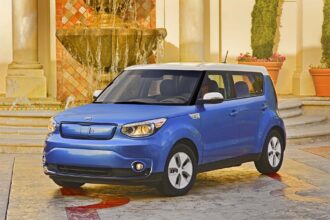
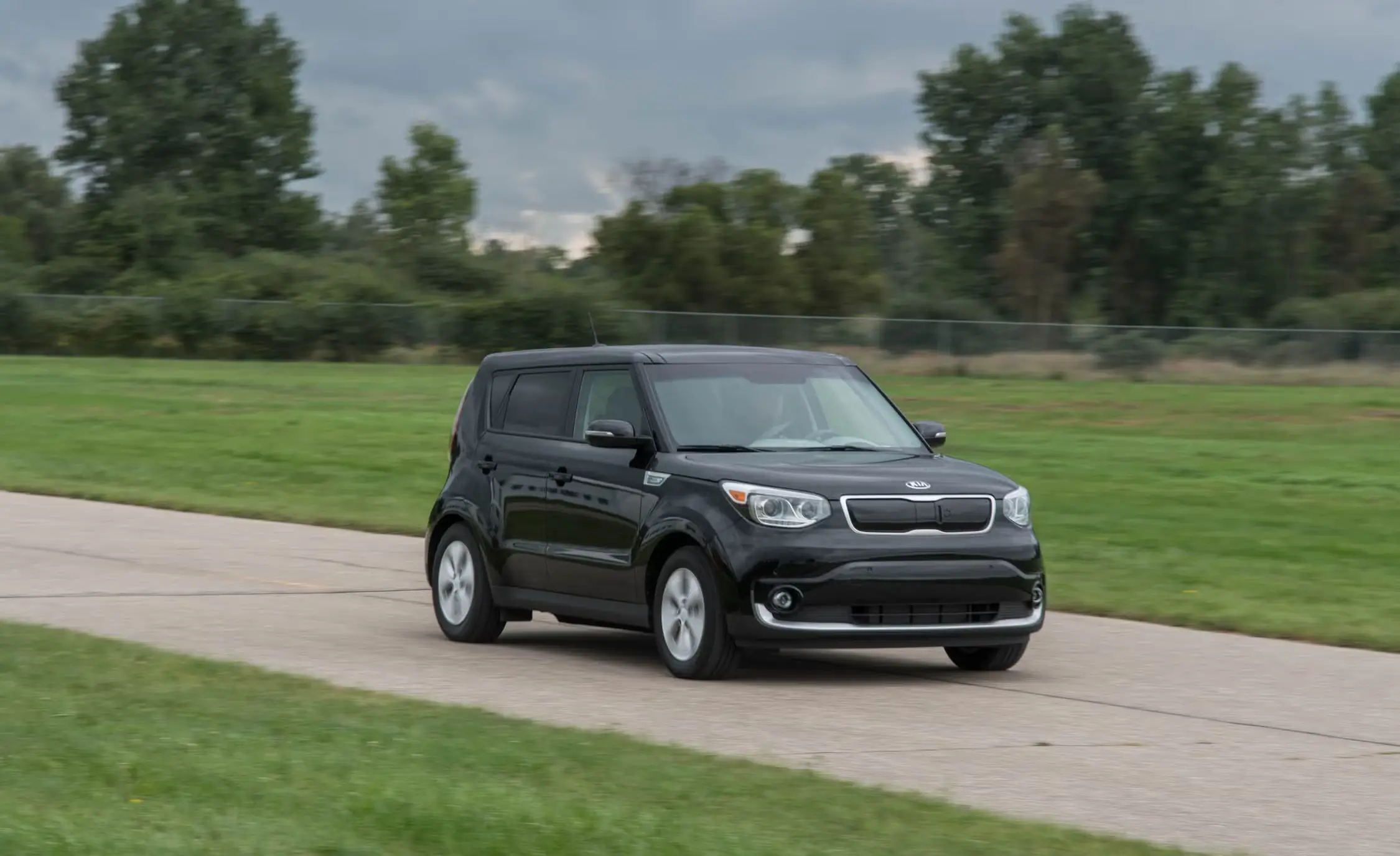
By 2016, electric vehicles were no longer novelties, but many still felt like compromises. Some were expensive, others impractical, and most required buyers to radically change how they drove. The 2016 Kia Soul EV stood out because it didn’t ask for that kind of adjustment. Instead, it refined an already likable electric crossover and made it more accessible, more flexible, and more fun to live with.
This second-year Soul EV wasn’t a radical redesign—it was a thoughtful evolution. Kia expanded the lineup, improved value, and added comfort features that addressed what early EV adopters actually wanted: convenience, usability, and personality.
Expanded Trims That Changed the Buying Equation
One of the biggest updates for 2016 was the introduction of a three-trim lineup: Soul EV-e, Soul EV, and Soul EV+. This gave buyers more choice and helped position the vehicle as an affordable entry point into electric mobility rather than a niche experiment.
The new EV-e trim focused on value without stripping away essentials. Even at the base level, buyers received DC fast charging, a 6.6 kW onboard charger, heated front seats, a heated steering wheel, push-button start, and a driver-only ventilation mode that reduced energy consumption when driving solo. For a base EV in 2016, that was impressive.
The mid-level Soul EV added technology and convenience, while the EV+ trim leaned into comfort and personality, especially with the newly introduced Sun & Fun Package.
Battery, Range, and Everyday Driving
Under the floor sat the same proven 27 kWh lithium-ion polymer battery, engineered for thermal stability and efficiency. The EPA-estimated range remained at 93 miles, with a combined efficiency rating of 105 MPGe. While newer EVs have since pushed far beyond that number, the Soul EV’s range was well-matched to its intended role as an urban and suburban daily driver.
In practice, that meant most owners could handle commuting, errands, and school runs with ease. Regenerative braking helped stretch range in stop-and-go traffic, and the instant torque made city driving smooth and responsive.
I once rode in a 2016 model during rush hour traffic, and what stood out most wasn’t speed—it was how relaxed the drive felt compared to gas cars stuck idling in congestion.
Charging Flexibility That Reduced Stress
Charging options remained a major strength. The 2016 Soul EV included both a J1772 port for Level 1 and Level 2 charging and a CHAdeMO DC fast-charging port as standard across all trims.
- A regular 120V outlet could fully recharge the battery overnight
- A 240V charger reduced charging time to under five hours
- A DC fast charger could bring the battery to 80% in about 33 minutes
For owners with home charging and occasional access to public fast chargers, the Soul EV fit seamlessly into daily routines without demanding lifestyle changes.
Interior Comfort and Eco-Focused Design
Inside, the cabin blended playful design with practical comfort. The upright seating position, wide windows, and boxy shape created an airy feel that many compact EVs lacked. Despite the under-floor battery, rear legroom and cargo space remained competitive, making it easy to carry passengers or bulky items.
Kia continued its emphasis on sustainability by using bio-based materials throughout the interior. Door panels, carpeting, headliners, and seat trims incorporated plant-derived plastics, earning third-party environmental validation. This wasn’t just a marketing claim—it was a tangible effort to reduce the car’s environmental footprint beyond emissions.
Standard features across the lineup included an OLED digital cluster, efficient heat-pump HVAC system, and smart energy-saving ventilation modes. Higher trims added leather seating, ventilated front seats, heated rear seats, and advanced parking assistance.
The EV+ trim’s Sun & Fun Package introduced a panoramic sunroof and ambient speaker lighting that pulsed with the music—details that gave the car character and made it feel less like an appliance.
How It Compared in the 2016 EV Market
To understand the Soul EV’s position, it helps to see how it stacked up against contemporaries:
| Vehicle | EPA Range | Fast Charging | Interior Space | Market Position |
|---|---|---|---|---|
| 2016 Kia Soul EV | ~93 miles | Standard | Spacious | Mainstream |
| Nissan Leaf (2016) | ~84–107 miles | Optional | Moderate | Mainstream |
| BMW i3 | ~81 miles | Standard | Compact | Premium |
| Chevy Spark EV | ~82 miles | Standard | Tight | Budget |
The Soul EV didn’t chase luxury or extreme efficiency. Instead, it focused on balance—space, comfort, charging speed, and approachable pricing.
A Real-World Ownership Scenario
Consider a small family living in a California suburb with access to overnight home charging. One parent uses the Soul EV for a 30-mile round-trip commute, while the other handles errands and school drop-offs. Charging happens every two or three days, fuel costs drop close to zero, and maintenance becomes almost an afterthought.
For households like this, the 2016 model made electric driving feel normal rather than experimental.
Why the 2016 Model Still Holds Value
What makes this model year especially interesting is how refined it feels compared to the original release. The added trim level improved affordability, the expanded features improved livability, and the charging setup ensured long-term usability.
Even today, used examples remain attractive because:
- DC fast charging is standard
- Interior space rivals many modern crossovers
- Comfort features exceed expectations for an early EV
- Operating and maintenance costs are extremely low
It represents a moment when electric vehicles began to feel truly consumer-friendly.
Related: 2015 Kia Soul EV Overview
Conclusion
The 2016 Kia Soul EV didn’t try to redefine electric mobility—it simply made it easier, friendlier, and more enjoyable. By expanding trim choices, enhancing comfort, and maintaining practical range and charging flexibility, Kia delivered an EV that fit real lives. Years later, it still stands as a reminder that the most impactful innovations are often the ones that quietly make everyday life better.
FAQs
What is the driving range of the 2016 model?
The EPA-estimated range is about 93 miles, with real-world results varying based on driving style and climate use.
Does every trim support fast charging?
Yes, all trims include a CHAdeMO DC fast-charging port as standard.
Is it good for highway driving?
It can handle highways comfortably, but it’s best suited for city and suburban use where regenerative braking improves efficiency.
How reliable is the battery over time?
Most owners report gradual, manageable degradation, especially with proper charging habits.
Who should consider buying one today?
Urban commuters, families seeking a second car, and anyone wanting an affordable entry into electric driving without sacrificing space or comfort.