
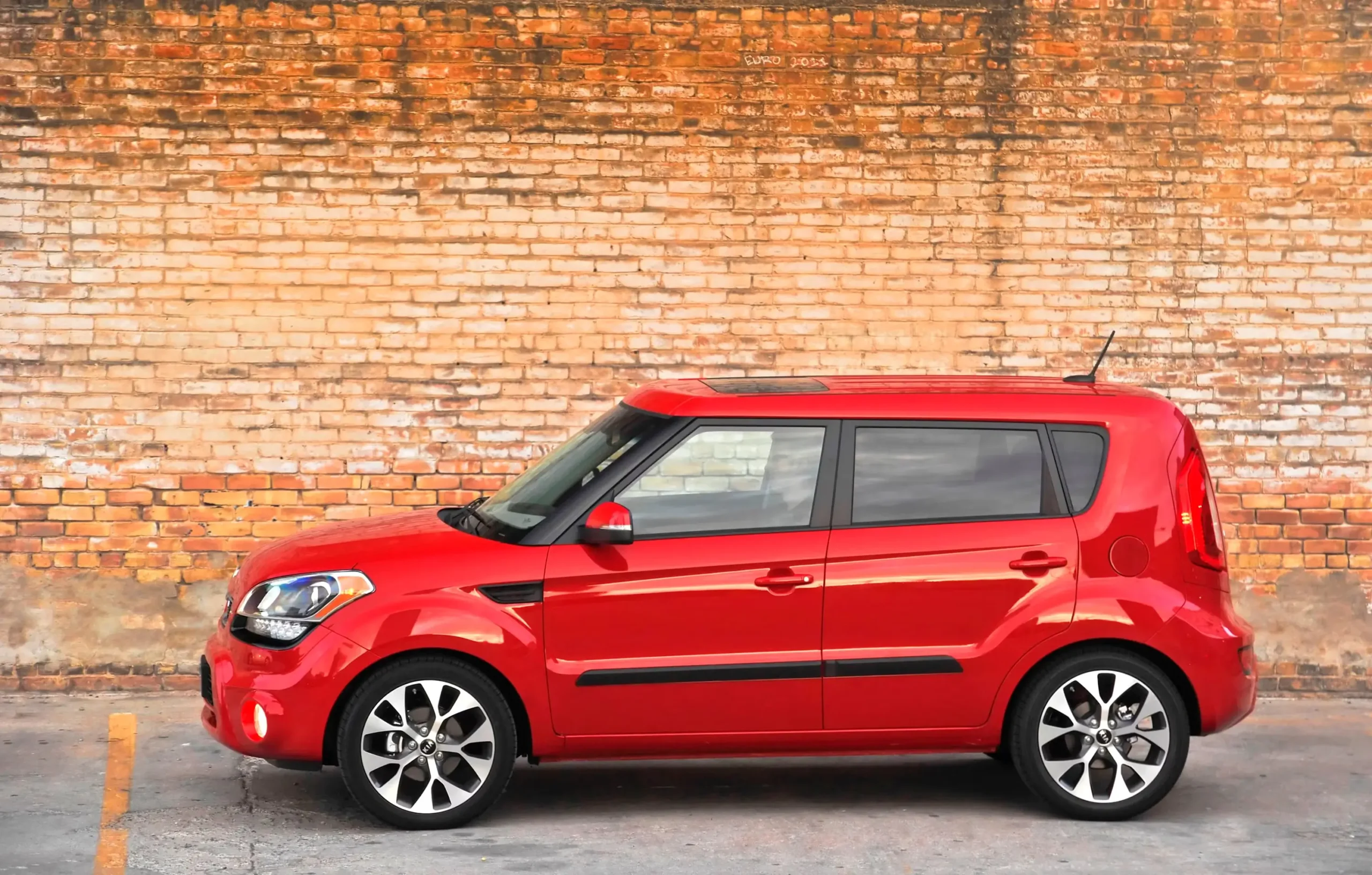
When the 2013 Kia Soul Overview arrived, it didn’t just compete in the compact crossover segment—it disrupted it. While many automakers were busy building generic economy hatchbacks, Kia doubled down on personality, packaging, and design with a model that blended the practicality of a small SUV with the attitude of a custom tuner car. A decade later, the 2013 Soul remains one of the most distinctive small cars on the road, and as I remember testing one on a rainy Tuesday morning back in 2013, the unexpected refinement impressed me far more than I anticipated.
Kia engineered the Soul to appeal to a new era of drivers—urban commuters, young families, students, and anyone who wanted a compact vehicle with presence. Its upright stance, spacious interior, and surprisingly robust engine lineup made it a standout alternative to traditional hatchbacks and small crossovers.
This 2013 Kia Soul overview breaks down what made the model significant, why it still holds strong used-market appeal, and how it compares to modern compact vehicles.
Design That Defined a Segment
The 2013 Soul carries the unmistakable boxy silhouette that became its design identity—tall roofline, squared-off edges, and a muscular stance that feels confident rather than utilitarian. Kia’s designers followed the brand’s “Tiger Nose” styling language, giving the Soul a youthful but mature appearance.
Key exterior highlights:
- High roofline for increased headroom and upright seating
- Short overhangs improving maneuverability in urban environments
- Bold wheel arches offering a more SUV-like visual presence
- Signature wrap-around taillights enhancing nighttime visibility
Where many compact cars blend into traffic, the Soul never did. It’s expressive without being polarizing, a balance few competitors achieved at the time.
Interior Space, Comfort, and Everyday Usability
Step inside the 2013 Kia Soul Overview , and you immediately understand why it became a favorite among urban drivers. Kia focused heavily on maximizing interior volume within a city-friendly footprint.
Interior strengths:
- Exceptional headroom and legroom for both rows
- Wide door openings making entry and child-seat installation easy
- Cargo capacity up to 53.4 cubic feet with seats folded
- Intuitive dashboard layout with large physical controls
- High seating position offering SUV-like outward visibility
The cabin materials for the 2013 model were noticeably improved compared to early Souls, with soft-touch surfaces in higher trims and better noise insulation. Add in details like color-adjustable speaker lights and surprisingly supportive seats, and the Soul felt far more premium than its price tag suggested.
Performance and Powertrain Options
Kia offered two engine choices for the 2013 Soul, each aimed at different kinds of drivers.
1.6L Inline-4 (Soul Base)
- 138 horsepower
- 123 lb-ft torque
- 6-speed manual or automatic
- Ideal for city driving with its lightweight feel and smooth low-speed response
2.0L Inline-4 (Soul+ and Soul!)
- 164 horsepower
- 148 lb-ft torque
- Paired with a 6-speed automatic
- More confident merging, better highway passing power
While not a hot hatch by any means, the Soul’s squared proportions and tight turning radius make it surprisingly fun in dense traffic and urban corners. The suspension tuning strikes a careful balance—firm enough to feel planted yet comfortable on rough pavement.
Fuel economy for the 1.6L reached 25–30 MPG, while the 2.0L delivered roughly 23–28 MPG, competitive for the segment at the time.
Technology, Infotainment, and Safety
The 2013 Soul marked a transition into more tech-forward Kia models, offering features uncommon at its price point.
Notable tech features include:
- Bluetooth connectivity
- Available UVO infotainment system powered by Microsoft
- USB and AUX inputs
- Steering-wheel audio controls
- Optional rearview camera on higher trims
Safety ratings were another highlight. The Soul earned strong scores from IIHS thanks to its reinforced structure and available safety systems. Standard equipment included:
- Six airbags
- Stability control
- Traction control
- 4-wheel ABS
Its upright visibility and small footprint also make it easier to navigate busy streets, reducing accident risk for urban drivers.
How the 2013 Kia Soul Compares to Similar Compact Vehicles
| Category | 2013 Kia Soul | Nissan Cube | Scion xB | Honda Fit |
|---|---|---|---|---|
| Styling | Bold, youthful, modern | Quirky, polarizing | Boxy, tuner-inspired | Traditional hatchback |
| Interior Space | Excellent for passengers | Good but narrow | Very spacious | Flexible but narrower |
| Performance | Strong 2.0L option | Modest acceleration | Larger engine but less refined | Great handling |
| Cargo Capacity | Strong for class | Fair | Excellent | Very good |
| Market Appeal | Broad—youth & professionals | Niche | Youth-focused | Practical buyers |
The Soul positioned itself perfectly—full of personality but still practical enough for mainstream buyers.
Why the 2013 Soul Still Makes Sense
Imagine a young professional commuting in a dense city. Parking is limited, fuel efficiency matters, and cargo flexibility is essential for weekend trips. The 2013 Kia Soul Overview fits this lifestyle seamlessly:
- Easy to parallel park
- Low running costs
- Roomy enough for friends or gear
- Good visibility for tight urban streets
- Reliable and inexpensive maintenance
This combination explains why the Soul retained strong resale interest and continues to be popular among first-time car buyers and small families.
Strengths That Give the 2013 Soul Its Unique Value
What truly sets the 2013 Kia Soul Overview apart is its ability to combine style, space, value, and personality—a blend rarely found in affordable compact vehicles of its era. Kia didn’t try to mimic competitors; it created a category-defining model that attracted drivers who wanted something practical but not boring.
The Soul’s square footprint makes it feel larger inside than its rivals. The available 2.0L engine adds spirited driving dynamics. And its bold design—still fresh today—keeps it visually appealing even as a decade-old model.
Kia’s strong reliability record for this era further strengthens its used-market appeal, making the 2013 Soul a smart, budget-friendly purchase.
Related: 2010 Kia Soul Overview
Conclusion
The 2013 Kia Soul Overview remains one of the most iconic compact vehicles of its decade. It brought together expressive design, exceptional interior packaging, dependable performance, and everyday practicality in a way that set it apart from traditional hatchbacks and crossovers. Whether you’re looking at it from a used-car buyer perspective or appreciating it as an automotive milestone, the 2013 Soul represents Kia at a turning point—bold, confident, and committed to giving drivers something refreshingly different. Its blend of value and personality still resonates today.
FAQs
1. Is the 2013 Kia Soul reliable?
Yes, the 2013 model has a strong reputation for reliability with proper maintenance and is known for being durable in daily use.
2. Which engine is better: 1.6L or 2.0L?
The 1.6L is efficient for city driving, but the 2.0L offers better acceleration and a more confident highway experience.
3. How is the cargo space in the 2013 Soul?
With seats folded, it provides over 53 cubic feet of space—excellent for a compact car.
4. Does the 2013 Soul offer modern features?
While not as advanced as newer models, it offers Bluetooth, UVO infotainment, and solid safety tech for its time.
5. Is the 2013 Soul good for new drivers?
Yes. Its visibility, maneuverability, and low ownership costs make it ideal for beginners.