When compact cars began shifting from predictable boxes on wheels to expressive urban commuters, one model in particular stood out during that transition era. The 2010 Kia Soul Overview arrived with an unmistakable personality quirky styling, unexpected spaciousness, and surprising value making it a favorite for drivers who wanted something fun without sacrificing reliability or cost-efficiency.
More than a decade later, revisiting this model offers interesting insight into why it became so popular among first-time buyers, city residents, students, and downsizing families. Beyond its distinctive look, what truly made the vehicle compelling were its thoughtful engineering decisions: a tall cabin, flexible seating layout, excellent outward visibility, and a driving experience designed to be unintimidating yet engaging enough for everyday use. I once drove a friend’s Soul during a rainy road trip and was struck by how roomy it felt for such a compact footprint.
Design Approach That Broke the Mold
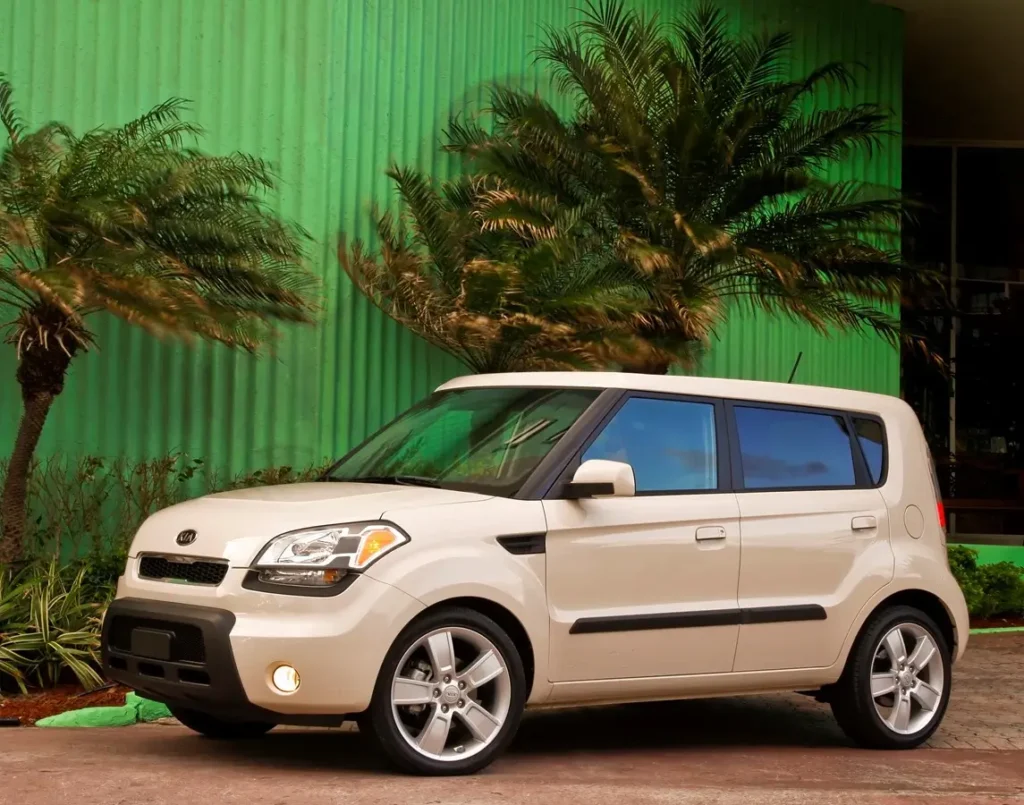
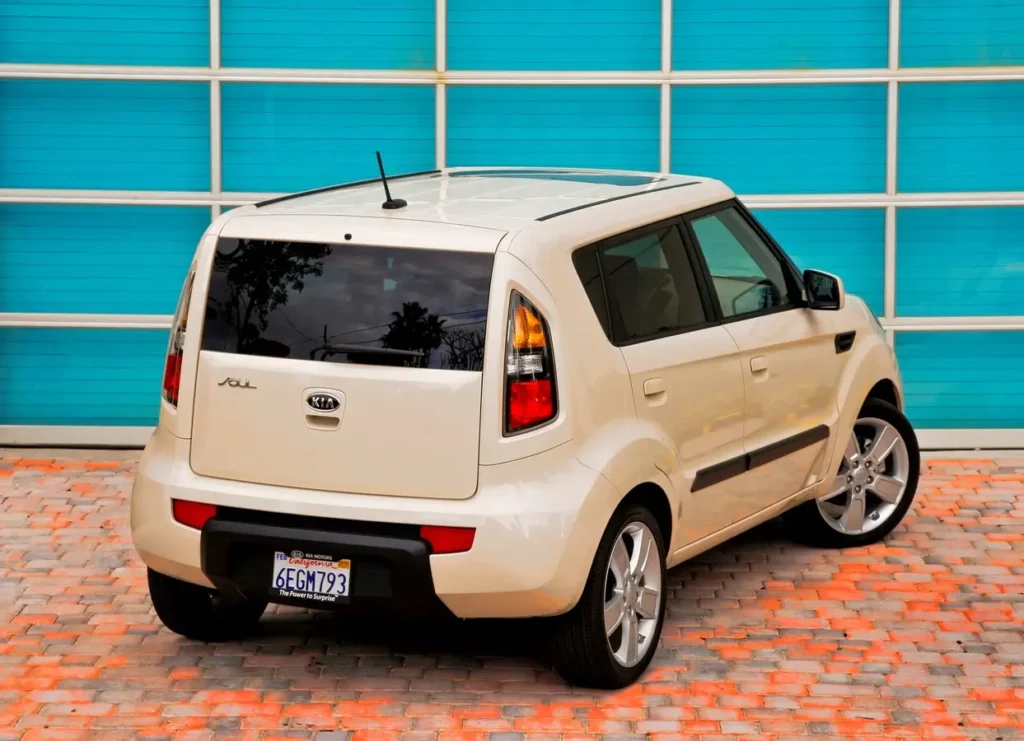
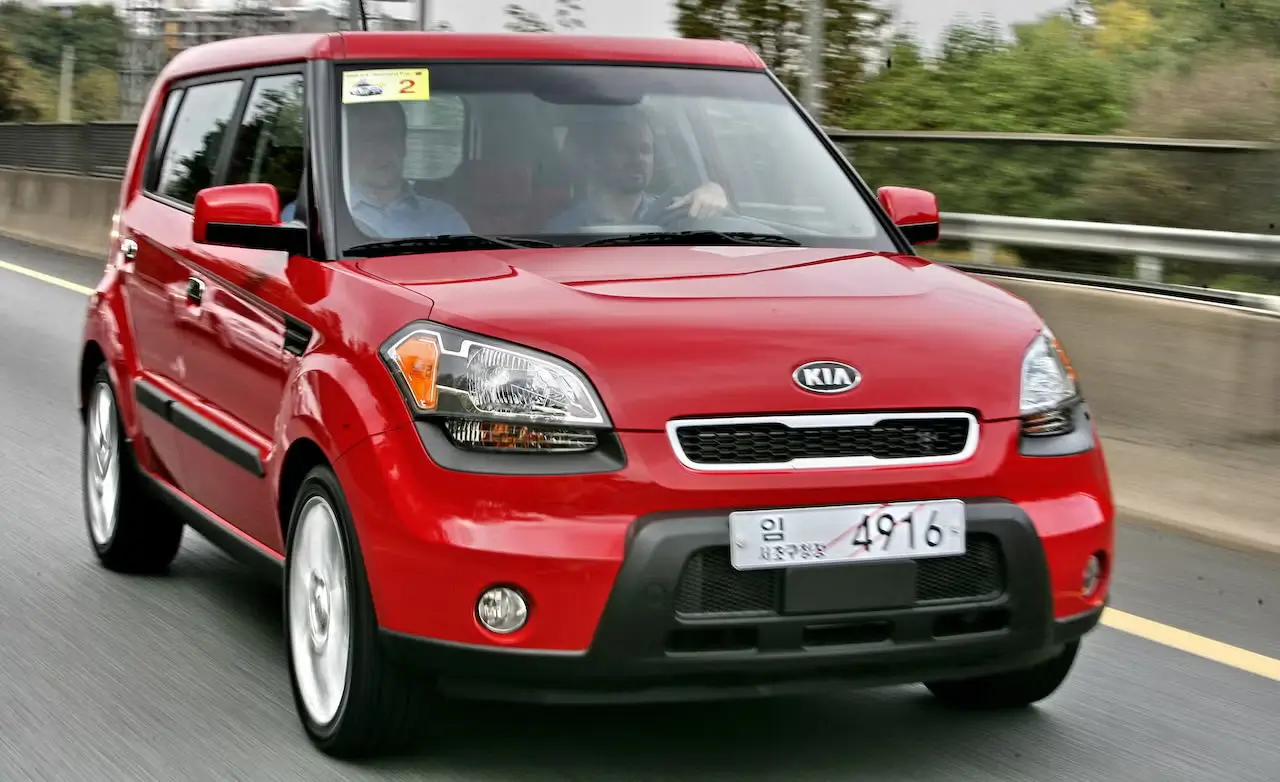
At first glance, the exterior is the most memorable element. The box-like structure isn’t just stylistic rebellion, it’s an intentional way to optimize interior geometry. The upright roofline gives passengers more headroom than many sedans or hatchbacks from the same era, while the squared edges allow the cargo area to be fully functional rather than compromised by sloping curves.
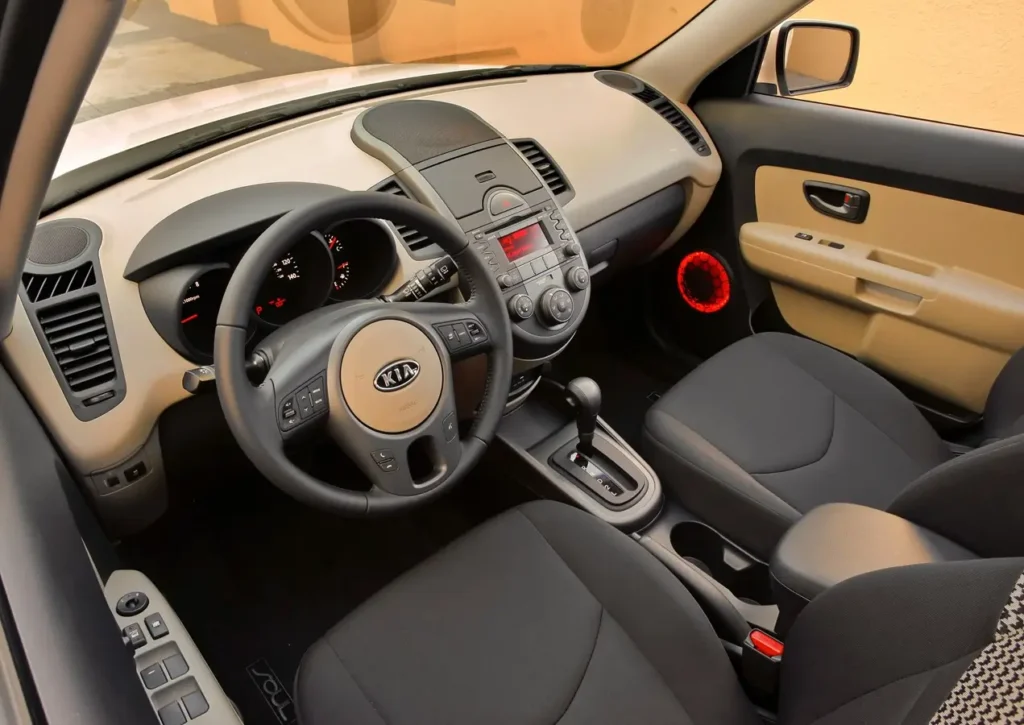
Inside, the cabin leans toward youthful simplicity: large buttons, intuitive controls, customizable interior lighting on some trims, and an ergonomic layout that does not overwhelm. Even today, many owners appreciate its low learning curve.
Performance and Driving Experience
Under the hood, the 2010 model typically includes either a 1.6-liter or 2.0-liter four-cylinder engine. These powertrains were never intended to compete with sport-tuned rivals; instead, they were engineered for efficiency and comfort. Acceleration feels adequate for daily commuting, while the compact dimensions and elevated seating position create a sense of command on crowded urban roads.
Fuel economy averages around the mid-20s mpg for city driving and upper-20s on highways, aligning well with expectations for its class at the time. The suspension setup leans toward firm, translating road textures clearly but offering stability during quick lane changes or tight cornering.
Safety, Features, and Everyday Usability
One of the standout strengths is its practicality. The split-folding rear seats open up a flexible cargo space that works equally well for grocery runs, small furniture, or gym equipment. In 2010, Kia packed a surprising number of safety features into a reasonably priced vehicle: multiple airbags, stability control, and solid crash-test scores across major rating agencies.
Tech features vary by trim but often include Bluetooth connectivity, auxiliary inputs, and available premium audio features that were not universally standard across affordable compact vehicles back then. Today, these inclusions highlight the brand’s early move toward integrating technology as a core part of the user experience.
How It Stacks Up Against Similar Models
To understand the Soul’s appeal, it helps to see how it compares with rivals that served the same audience. Below is a compact comparison snapshot of similar models from its era:
| Feature / Aspect | Kia Soul (2010) | Honda Fit (2010) | Nissan Cube (2010) | Scion xB (2010) |
|---|---|---|---|---|
| Cabin Space | Excellent headroom & tall stance | Highly flexible “Magic Seat” | Boxy interior with unique styling | Larger, heavier build |
| Fuel Economy | Mid–upper 20s mpg | Upper 20s–low 30s mpg | Similar to Soul | Slightly lower mpg |
| Style Identity | Youthful, bold, customizable | Functional & minimal | Extremely quirky | Edgy but heavier |
| Pricing (Used Market, Today) | Very affordable | Slightly higher | Low to moderate | Moderate |
| Driving Feel | Comfortable & confident | Nimble & sporty | Soft & relaxed | More powerful but less efficient |
The table shows that while competitors had their strengths especially the Honda Fit’s incredible interior engineering the Soul balanced personality, price, and practicality better than most.
A Real-World Use Scenario
Imagine a young professional who has recently moved into a bustling city district. They need a car that fits into tight parking spaces but still feels roomy enough to bring friends along for weekend trips. They want to spend conservatively, yet they also want something that appears modern and expressive. The Soul fits seamlessly into this lifestyle.
Thanks to the high roof and low beltline, passengers don’t feel cramped even during longer drives. Cargo space accommodates grocery deliveries, gym bags, or even small business supplies if that professional runs an online store. Combined with maintenance costs that stay on the affordable end and a reputation for long-term dependability when properly cared for, the vehicle creates an ideal blend of functionality and personality.
Longevity and Ownership Costs
One of the most reassuring aspects for buyers is that the Soul has shown strong durability across many ownership reviews. Routine maintenance oil changes, filters, brake pads tends to remain inexpensive, and replacement parts are widely available. Even in the used market, models with higher mileage (120k–160k miles) often remain mechanically sound if service intervals were followed.
Insurance costs are also relatively modest compared with sportier or larger vehicles, which makes it attractive for young drivers or cost-conscious families.
Unique Value in a Crowded Market
What truly sets the 2010 model apart is how well it merges personality with practicality. Many compact cars either focus heavily on styling or lean too hard into economy-driven design. This model finds a middle path distinctive enough to feel personal yet engineered with real-world functionality. The tall stance, generous headroom, easy access, and affordable upkeep create a balance that few cars from the same era achieved.
Additionally, Kia’s early push toward offering strong warranties and improving build quality helped reshape public perception of the brand. Buyers who were initially hesitant often became loyal after experiencing how comfortable and versatile this vehicle was across years of ownership.
Who This Vehicle Suits Best
- City drivers needing compact dimensions but maximum cabin usefulness
- Students or new drivers wanting affordability without feeling restricted
- Small families seeking dependable transportation with flexible cargo space
- Ride-share or delivery workers who appreciate visibility and maneuverability
- Buyers who enjoy customization—from colors to trims to interior lighting options
Related: 2026 Kia Sportage PHEV Overview
Conclusion
Revisiting the 2010 Kia Soul Overview illustrates why it resonated so strongly with drivers who valued expression, budget-friendliness, and functionality. Its unmistakable shape, surprisingly spacious cabin, reliable powertrains, and accessible pricing helped it carve out a special place in the compact car market. Even today, it remains a popular choice on the used-car landscape for people who want a vehicle with character that can still handle daily responsibilities with ease.
FAQs
1. Is the 2010 model reliable today?
Yes. With proper maintenance, many units continue running well past 150,000 miles. Routine servicing plays a major role in long-term reliability.
2. What engine options were available?
Most models offer a 1.6L or 2.0L four-cylinder engine, both focused on efficiency and durability rather than sporty speed.
3. How is the cargo space?
It’s impressive for a compact vehicle. The tall cabin and fold-flat rear seats offer excellent flexibility for carrying groceries, luggage, or equipment.
4. Does it have good safety ratings?
The vehicle scored well in crash tests for its time and includes multiple airbags and stability control as standard.
5. Is it a good choice for city living?
Absolutely. It’s easy to park, provides commanding visibility, and offers ample interior room uncommon for its size.