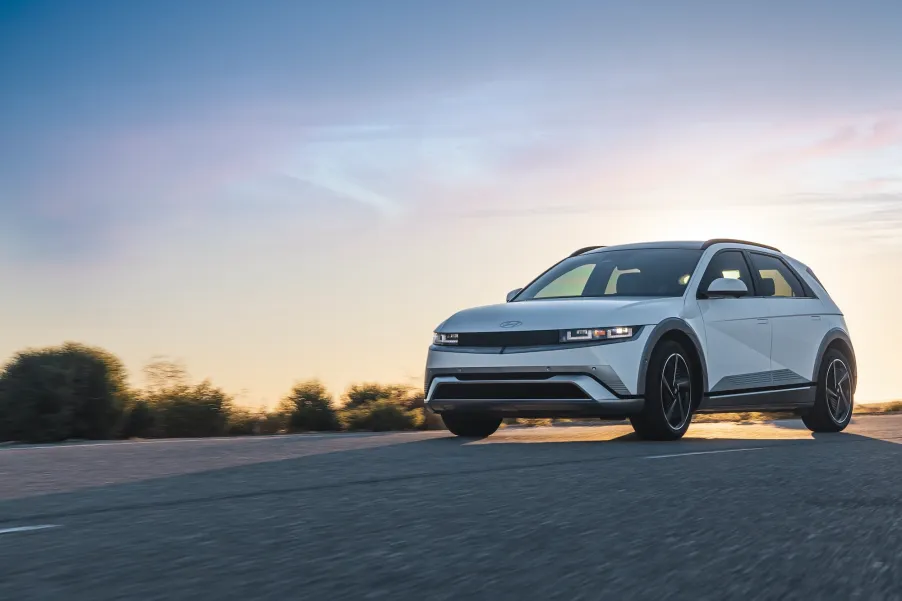
New EV discounts, who dis? It’s the 2026 Hyundai IONIQ 5, of course. Yes, the U.S. federal EV purchase credit for new acquisitions after September 30, 2025 is no longer available, but Hyundai didn’t blink. It slashed sticker prices across most IONIQ 5 trims by $7,600 to $9,800, instantly turning one of the most-loved electric crossovers into one of the best deals in the segment.
Massive price realignment (and why it happened)
Hyundai’s move comes on the heels of the federal clean-vehicle incentive expiring for vehicles acquired after September 30, 2025, you can still claim the credit if you acquired by that date and place the car in service later, but new purchases after that cutoff don’t qualify. Rather than let demand cool, Hyundai re-based MSRPs for 2026 to keep total out-the-door costs compelling. The company’s own release pegs average reductions at $9,155, with trims dropping up to $9,800 compared with their 2025 equivalents.
For example, independent outlets report the 2026 lineup as follows (destination excluded): SE Standard Range from $36,600 (–$7,600), SEL RWD from $41,400 (–$9,800), Limited RWD from $46,675 (–$9,225), and XRT from $47,875 (–$9,225). AWD versions see similarly steep drops; the performance-oriented IONIQ 5 N is handled separately. Net-net: even without a federal purchase credit, the IONIQ 5 lands thousands below where it sat a year ago.
What’s new for 2026 (beyond the price)
Hyundai didn’t just re-sticker the windows. Every 2026 IONIQ 5 now includes a dual-amperage Level 1/Level 2 combination charging cable in the box hugely useful for apartment dwellers and travelers who bounce between outlets. There’s also a fresh Sage Silver Matte finish plus vibrant Ultimate Red and Cosmic Blue Pearl color options. These are official model-year changes straight from Hyundai.
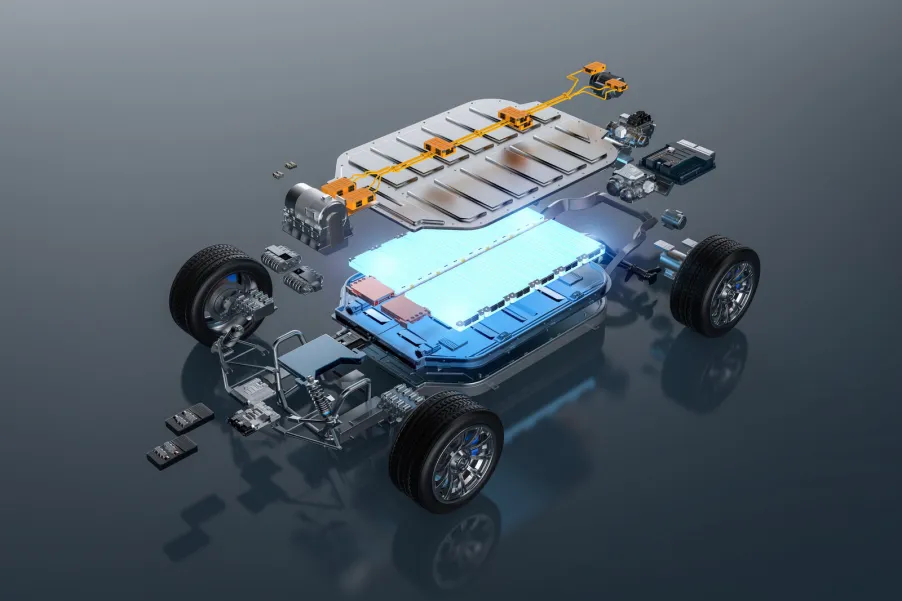
Under the skin, you still get the good stuff that made the IONIQ 5 a fan favorite: the E-GMP 800-volt architecture that enables seriously fast DC charging, plus a roomy, flat-floor interior and that clean, pixel-punk design language. On a high-power DC fast charger, Hyundai quotes roughly 10–80% in ~18–20 minutes, depending on charger capability and conditions. That’s super-road-trip-friendly in the real world.
Trims, range, and the “which one should I buy?” question
Hyundai fields a broad lineup: SE Standard Range, SE (long-range), SEL, XRT, and Limited, with RWD or AWD depending on trim. If you want max miles per dollar, publications recommend the SEL RWD: it pairs the bigger battery with features most buyers want and offers an estimated 318 miles of range in 2026-spec form. AWD variants trade a little efficiency for all-weather traction and stronger acceleration. Expect ballpark ranges of ~245 miles for Standard Range, ~290–318 miles for long-range RWD/AWD, depending on configuration and equipment.
Performance fans can look to the IONIQ 5 N (Hyundai hasn’t detailed 2026 pricing in the same cut-sheet), which remains the track-ready outlier in the family. For most shoppers, though, the story is how far the SEL and Limited trims just fell in price without carving away core tech or comfort features.
Charging, plugs, and everyday living
For 2026, the IONIQ 5 continues to be a charging rockstar. Thanks to its 800-V system, high-output DC fast chargers can replenish most of the pack in the time it takes to grab coffee. Home charging at Level 2 (240V) remains the day-to-day play, and that included dual-amperage cable removes the immediate need to shop for a separate EVSE. In short: it’s easy to live with, even if your charging routine mixes public DC, workplace Level 2, and a household outlet on the weekend.
Built in Georgia, scaling up in America
There’s pride baked into the sheet metal: the IONIQ 5 is assembled in Ellabell, Georgia at Hyundai Motor Group Metaplant America (HMGMA). Production of the IONIQ 5 kicked off there in late 2024, and Hyundai has continued to invest—another $2.7 billion announced in September 2025 to expand capacity and add jobs as U.S. EV production ramps. If you want to buy American-built, the IONIQ 5 qualifies—and those prices above are helped by the economies of local manufacturing.
As for economic impact, Hyundai previously reported that, together with its dealer network, it supports over $20.1 billion in private earnings and a substantial jobs footprint across the U.S. and its Georgia expansion added thousands more positions in 2025 alone. The momentum is real, both for the state and for EV shoppers looking for value.
Related: Used EVs: The Smart Buyer’s Guide for 2025 (USA)
Conclusion
The 2026 Hyundai IONIQ 5 takes a policy shock (the end of the federal purchase credit for new acquisitions after 9/30/2025) and flips it into a consumer win. With MSRPs cut by up to $9,800, a standard Level 1/Level 2 charging cable, fresh colors, and America-built credentials, it’s suddenly the EV to beat on value without compromising the stuff that matters range, charging speed, and a genuinely delightful cabin. If you were waiting for an EV market reset, Hyundai just held the door open. Step through it.