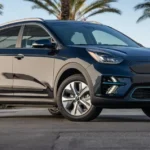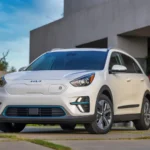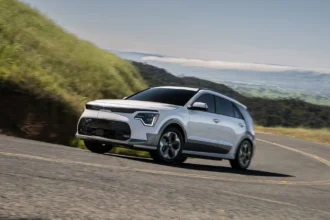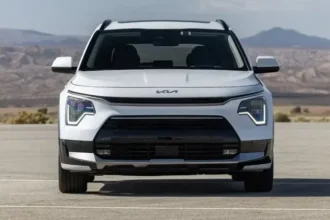
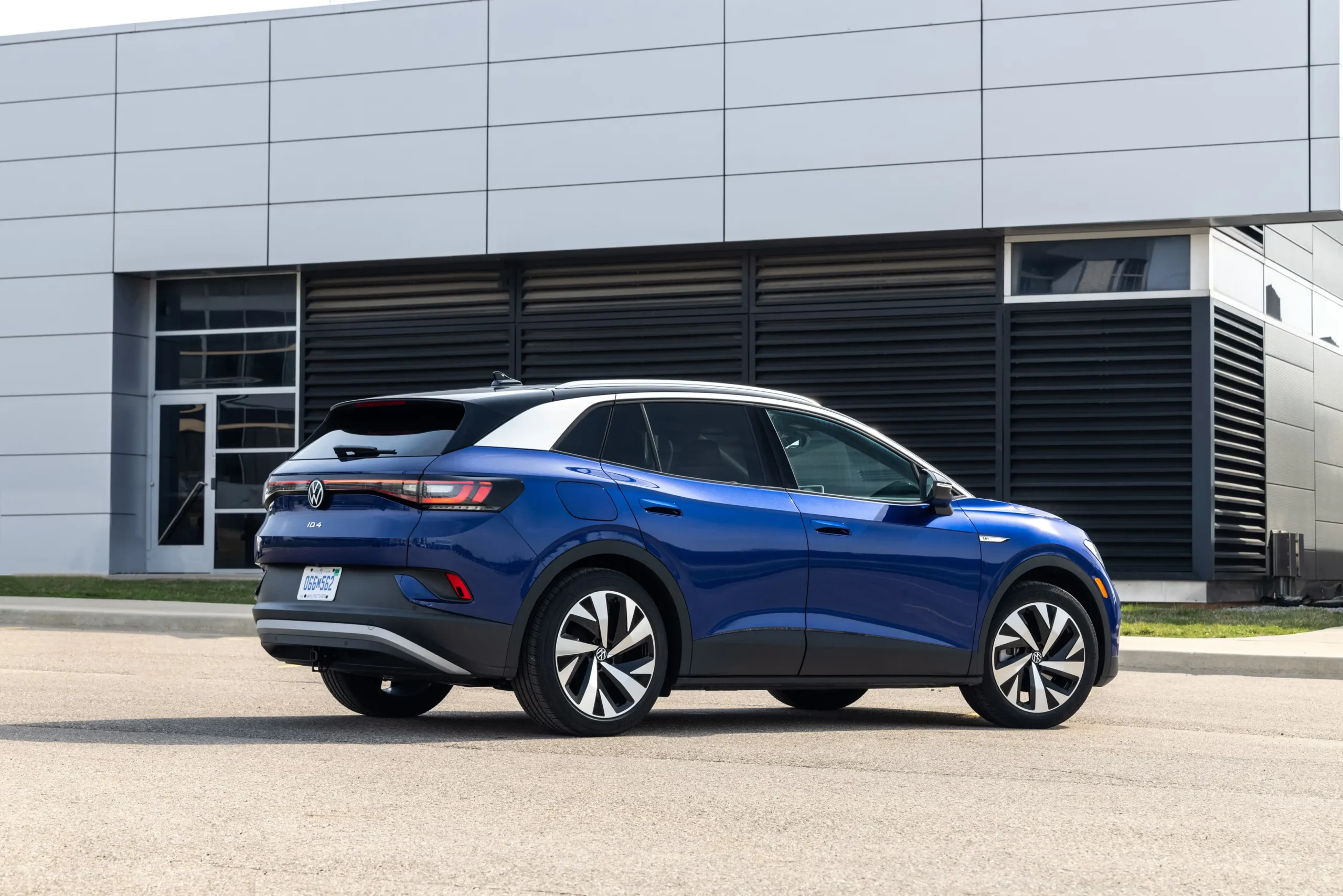
The 2021 Kia Niro EV occupies a sweet spot in the electric vehicle world practical enough for daily commuting, efficient enough to rival the best in its class, and refined enough to feel like a genuine upgrade from a gas-powered crossover. At a time when many EVs were either expensive luxury models or compromised budget cars, this compact electric crossover delivered a balanced formula that appealed directly to mainstream American drivers.
Built on Kia’s proven Niro platform and powered by a robust electric drivetrain, the 2021 model brought subtle technology improvements while retaining the qualities that made it one of the most sensible electric crossovers in the U.S. market.
Performance, Battery, and Real Driving Feel
Under the floor sits a 64 kWh lithium-ion battery pack paired with a single electric motor producing 201 horsepower and 291 lb-ft of torque. That torque arrives instantly, giving the vehicle a surprisingly responsive feel in everyday driving.
Acceleration from 0 to 60 mph takes around 6.5 to 7 seconds, which is more than quick enough for highway merging and city traffic. Unlike some gas-powered compact SUVs that struggle when fully loaded, this electric model maintains smooth, confident acceleration regardless of passenger or cargo weight.
The front-wheel-drive setup keeps things simple and efficient. While it doesn’t offer all-wheel drive, the low center of gravity created by the battery placement improves stability and cornering confidence.
From personal experience driving a Niro EV during a week-long urban commute in Southern California, the instant torque and quiet cabin made stop-and-go traffic feel dramatically less stressful compared to a traditional gasoline crossover.
Range and Charging: Built for Real Life
One of the biggest highlights is its EPA-estimated 239-mile range on a full charge. That number remains competitive even by today’s standards and was especially impressive when the vehicle launched.
In real-world conditions, many drivers report achieving between 240 and 260 miles in mixed driving, particularly in moderate weather.
Charging flexibility includes:
- Level 1 charging (standard home outlet): slow but usable for overnight top-offs
- Level 2 charging (240V home charger): full charge in about 9–10 hours
- DC fast charging: up to 80% in approximately 75 minutes
While the fast-charging speed is slower than some newer EV competitors, it remains practical for occasional road trips and daily convenience.
Efficiency ratings are excellent at approximately 112 MPGe combined, meaning lower operating costs compared to both gasoline vehicles and many electric rivals.
Exterior Design: Subtle but Purposeful
Unlike some electric vehicles that emphasize futuristic styling, the Niro EV maintains a familiar crossover appearance.
Key exterior highlights include:
- Closed front grille with integrated charging port
- LED daytime running lights
- Aerodynamic wheel designs
- Clean, modern body lines
Its compact size—172 inches long—makes parking and city maneuvering easy, while still providing SUV-like ride height.
This balance makes it appealing to buyers who want the benefits of electrification without drawing too much attention.
Interior Comfort and Technology
Inside, the cabin focuses on functionality and comfort rather than flashy experimentation.
Passenger space is generous for a compact crossover, with nearly 100 cubic feet of interior volume.
Cargo capacity includes:
- 18.5 cubic feet behind rear seats
- 53 cubic feet with seats folded
That’s enough for groceries, luggage, or even small furniture.
Technology features include:
- 8-inch touchscreen (EX)
- 10.25-inch touchscreen with navigation (EX Premium)
- Wireless Apple CarPlay and Android Auto (newly standard for 2021 EX)
- Digital instrument cluster
- Available Harman Kardon premium audio
- Heated and ventilated front seats (EX Premium)
The layout is intuitive, avoiding the steep learning curve seen in some newer EVs.
Safety and Driver Assistance
Safety is one of this vehicle’s strongest areas, thanks to Kia’s DriveWise suite.
Standard and available features include:
- Forward Collision Avoidance Assist
- Blind Spot Collision Warning
- Lane Keeping Assist
- Lane Following Assist
- Smart Cruise Control with Stop & Go
- Highway Driving Assist (EX Premium)
- Rear Occupant Alert (standard for 2021)
These systems help reduce driver fatigue and enhance daily usability.
Trim Levels and Pricing
The 2021 model was offered in two trims:
| Trim | Starting MSRP | Key Features |
|---|---|---|
| EX | $39,090 | Wireless smartphone integration, safety tech |
| EX Premium | $44,650 | Larger screen, ventilated seats, premium audio |
These prices made it significantly more affordable than many long-range electric competitors at the time.
Federal and state incentives could further reduce ownership costs.
How It Compares to Key Rivals
When compared with other electric crossovers available in the U.S., the Niro EV stands out for its balance of price, range, and practicality.
| Feature | 2021 Kia Niro EV | Tesla Model Y (Standard Range) | Hyundai Kona Electric |
|---|---|---|---|
| Range | 239 miles | 244 miles | 258 miles |
| Horsepower | 201 hp | 283 hp | 201 hp |
| Starting Price | Lower | Higher | Similar |
| Interior Space | More cargo flexibility | Larger overall | Smaller rear seat |
| Charging Speed | Moderate | Faster | Similar |
While Tesla offers faster charging and stronger performance, Kia’s model delivers excellent value and user-friendly operation at a lower price.
Compared to the Kona Electric, it offers more cargo room and better overall practicality.
What Makes It Stand Out in Daily Ownership
The real strength of this electric crossover isn’t just its specifications—it’s how seamlessly it fits into everyday American life.
It delivers:
- Excellent driving range without range anxiety
- Comfortable ride quality
- Low operating costs
- Practical cargo space
- Easy transition from gasoline vehicles
Unlike some EVs that feel like tech experiments, this one feels like a normal, well-refined crossover that happens to be electric.
For buyers who want electrification without sacrificing usability, that distinction matters enormously.
Everyday Driving and Ownership Experience
Imagine a commuter living in suburban Dallas who drives 40 miles round trip daily. With a full range of 239 miles, they could drive nearly an entire workweek without charging. They plug in overnight once or twice per week using a home Level 2 charger, eliminating gas station visits entirely.
Weekend errands, shopping, and even short road trips are easily handled without needing public charging. Over time, the owner saves thousands of dollars on fuel and maintenance. This is where the vehicle shines not as a futuristic novelty, but as a practical daily solution.
Ownership Costs and Reliability Outlook
Electric vehicles typically have lower maintenance costs because they lack:
- Oil changes
- Transmission servicing
- Exhaust systems
Kia also offers one of the best warranties in the industry, including:
- 10-year / 100,000-mile battery warranty
This provides long-term peace of mind.
Electricity costs are significantly lower than gasoline, especially in states with favorable energy rates.
Pros and Cons
Pros
- Excellent real-world driving range
- Strong efficiency
- Comfortable interior
- User-friendly technology
- Competitive price
Cons
- Slower fast-charging than newer EVs
- No all-wheel drive option
- Interior design feels conservative
Related: 2020 Kia Niro EV Overview
Conclusion
The 2021 Kia Niro EV proves that an electric vehicle doesn’t need to be flashy or expensive to be genuinely excellent. Instead, it focuses on what matters most: range, comfort, efficiency, and practicality.
It delivers a driving experience that feels natural, ownership costs that make financial sense, and everyday usability that fits perfectly into modern American life.
For drivers seeking a dependable, affordable electric crossover that works effortlessly as a primary vehicle, this model remains one of the smartest choices in its category.
FAQs
How far can the 2021 model travel on a full charge?
It offers an EPA-estimated range of 239 miles, with some drivers achieving more under ideal conditions.
How long does charging take?
Level 2 home charging takes about 9–10 hours, while fast charging can reach 80% in around 75 minutes.
Is it reliable?
Yes. It benefits from Kia’s strong reliability record and excellent battery warranty coverage.
Is it good for long trips?
Yes, although charging stops will be longer compared to newer EVs with faster charging speeds.
Is it worth buying used today?
Absolutely. It remains one of the best value electric crossovers thanks to its range, practicality, and affordability.