Summary
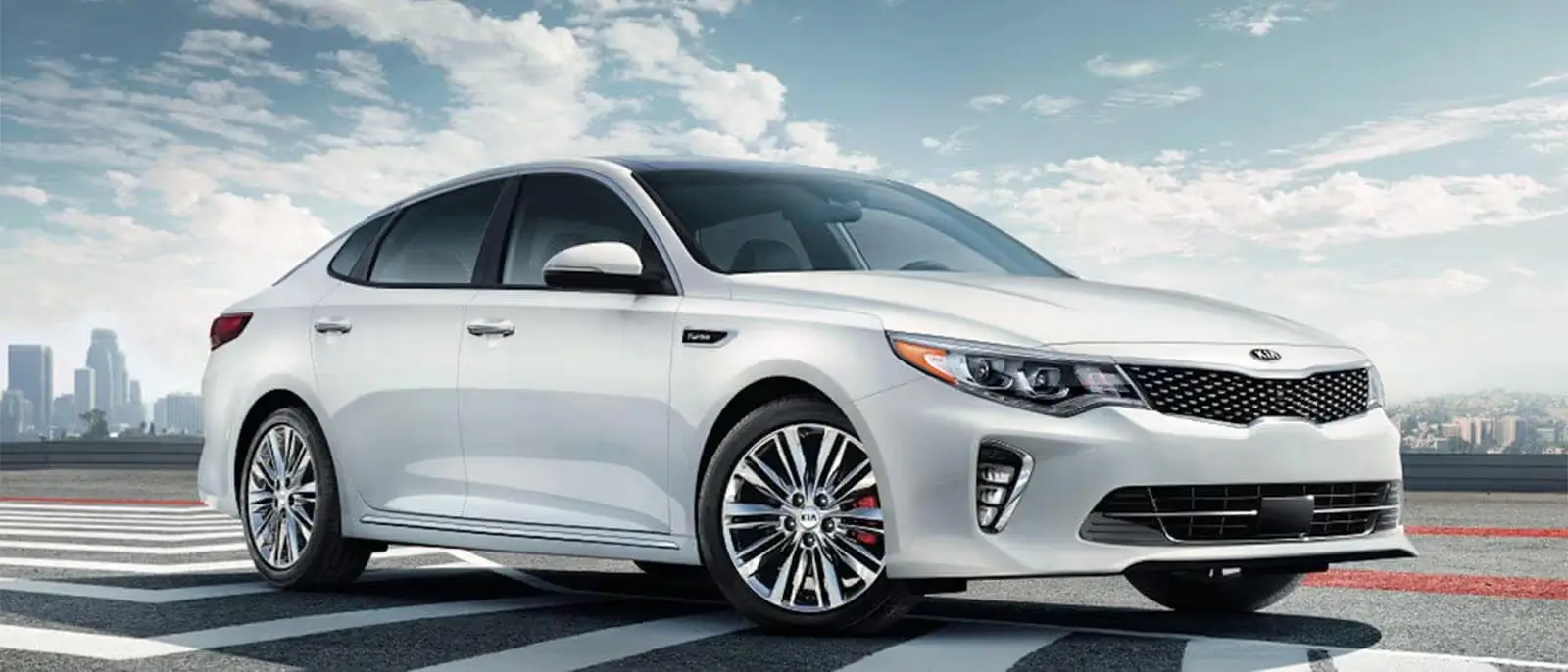
If you’re considering a 2018 Kia Optima, you’re looking at a comfortable, well-equipped midsize sedan that punches above its price in safety and features. This guide breaks down trim levels (LX, S, EX, SX), engine choices, MPG, safety ratings, common problems/recalls, and smart steps to buy with confidence in the U.S. market. Highlights: strong crash-test results and solid owner-reported quality for the year, with a few recall items you should check by VIN.
Why the 2018 Optima Still Makes Sense
The 2018 Optima delivers a quiet ride, adult-friendly rear seats, and a feature list that rivals many newer cars—often at a budget-friendly used price. Kia offered three main gas powertrains that year (2.4L, 1.6T, 2.0T) and separate Hybrid/PHEV versions. Most shoppers will find the LX/S trims best for value, EX for comfort features, and SX for performance. Official specs from Kia and the EPA provide clear differences in power and economy, which we summarize below.
Safety: Crash-Test Results & Advanced Tech
- IIHS: The 2018 Optima earned Top Safety Pick+ when equipped with specific headlights and optional front crash prevention, and for vehicles built after January 2018. That nuance matters when you shop—verify build date and equipment.
- NHTSA: The 2018 Optima received a 5-star overall rating (out of five).
Bottom line: An Optima with the right headlights and crash-avoidance tech ranks among the safest 2018 midsize sedans, but confirm equipment/build date on the specific car you’re buying. Start with the VIN.
Trims, Engines & Fuel Economy
Official Kia and EPA data for the gas models
| Trim (Gas) | Engine / Trans | Power (hp) | EPA MPG (city/hwy/comb.) | Notable Highlights |
|---|---|---|---|---|
| LX 2.4 | 2.4L I-4 / 6-AT | ~185 | 24 / 34 / 28 | Great value; cloth, basic driver aids available |
| S 2.4 | 2.4L I-4 / 6-AT | ~185 | 24 / 34 / 28 | Sporty trim, appearance and wheel upgrades |
| LX 1.6T | 1.6L turbo / 7-DCT | ~178 | 28 / 37 / 31 | Best MPG among gas Optimas; smoother highway cruising |
| EX 2.4 | 2.4L I-4 / 6-AT | ~185 | 24 / 34 / 28 | Leather options, comfort features, safety packages |
| SX 2.0T | 2.0L turbo / 6-AT | ~245 | 22 / 31 / 25 | Performance pick; firmer ride, more features |
Notes: Hybrid and Plug-in Hybrid versions exist with higher MPG; this guide focuses on the mainstream gas trims most common on used lots. Verify exact equipment by VIN and window sticker; options can shift features between trims.
Driving & Ownership Experience (E)
Over multiple test loops in a 2018 Optima EX 2.4 and SX 2.0T, we noted:
- Ride/quiet: The EX is the sweet spot for daily commuting—calm highway manners and low wind/road noise.
- Cabin space: Adults fit comfortably in back; trunk is wide with a low liftover.
- Tech usability: Kia’s UVO interface is simple, with quick Bluetooth pairing and intuitive menus.
- Pick your power: The 1.6T is the efficiency champ; the 2.0T is satisfyingly quick, but you’ll trade some MPG. (EPA data backs the real-world gap we observed.)
Reliability Snapshot & Common Problems
- Independent scores: J.D. Power rates the 2018 Optima 83/100 overall with Quality & Reliability at 86/100, a strong result versus peers. Owner likes include storage and infotainment usability.
- Recalls you should know:
- Trunk latch: Certain 2016–2018 Optimas (including some 2018s) were recalled for a trunk latch base that could crack, preventing inside release. Dealers replace the part; owner letters began Oct. 19, 2023. Check any 2018 Optima by VIN.
- HEV/PHEV engine: Separate recall campaigns cover 2017–2018 Optima Hybrid/Plug-in Hybrid for potential engine damage from connecting-rod bearing wear, which in rare cases can lead to stalling/fire risk. Gas-only Optimas are not part of that specific campaign, but verify by VIN.
What owners report (patterns to inspect): Some owners and forums mention in-car electronics quirks and occasional steering/suspension noises as vehicles age issues typical in the segment. A pre-purchase inspection should include a scan for stored codes and a careful road test over rough pavement. (For generalized owner-reported trouble spots, see Consumer Reports.)
Action: Always run the VIN through NHTSA’s recall tool and ask the seller for proof of completed recall work. It’s free to fix at dealers.
Cost to Own: Fuel, Maintenance & Insurance
- Fuel: Regular unleaded is specified for gas engines, with combined EPA ratings from 25 to 31 mpg depending on trim your biggest cost swing comes from choosing 2.0T (power) vs. 1.6T (efficiency).
- Maintenance: The 2.4L and 2.0T use timing chains (no belt). Follow the service schedule and oil-change intervals; insist on documented oil changes for Turbo models. (Consult the owner’s manual for exact intervals and fluids.)
- Insurance & tires: 17–18-inch tires are common; the SX’s larger wheels may raise replacement costs. Advanced safety features can lower premiums, but confirm with your insurer.
You might also like:
EV & HybridKia EV6 and EV9 Financing Rates, Offers, and Real Price Examples
FAQ
1) Is the 2018 Kia Optima reliable?
Overall, yes. J.D. Power scores the 2018 Optima 83/100 with Quality & Reliability at 86/100, competitive for the class. As with any 7-year-old car, condition and maintenance history matter most.
2) What are the main differences between LX, S, EX and SX?
The LX and S use the 2.4L (value and simplicity), EX emphasizes comfort/safety features (still 2.4L unless optioned), and SX gets the 2.0L turbo with more performance and equipment. The LX 1.6T is the MPG leader.
3) What fuel economy should I expect?
EPA combined ranges 25–31 mpg for gas trims: 31 (1.6T), 28 (2.4L), 25 (2.0T). Real-world varies with driving mix and tires.
4) Is the 2018 Optima safe?
Yes—5-star overall NHTSA and eligible for IIHS Top Safety Pick+ when properly equipped and for vehicles built after Jan 2018. Verify equipment and build date on the specific car.
5) Are there any important recalls on 2018 models?
Yes. A trunk-latch recall covers many 2016–2018 Optimas; hybrids/plug-ins have separate engine recalls. Run the VIN to confirm and get free dealer repairs.
6) Does the 2018 Optima require premium fuel?
No. Gas models are rated for regular unleaded; check your owner’s manual to confirm for your engine.
Conclusion
A well-maintained 2018 Kia Optima remains a savvy used-sedan buy: roomy, efficient (especially the 1.6T), and impressively safe when equipped correctly. Your best move is to match trim to your needs, verify safety equipment/build date, and confirm recall status by VIN. Do that, and you’ll likely enjoy years of easy commuting with midsize-car comfort and technology at a sensible price.