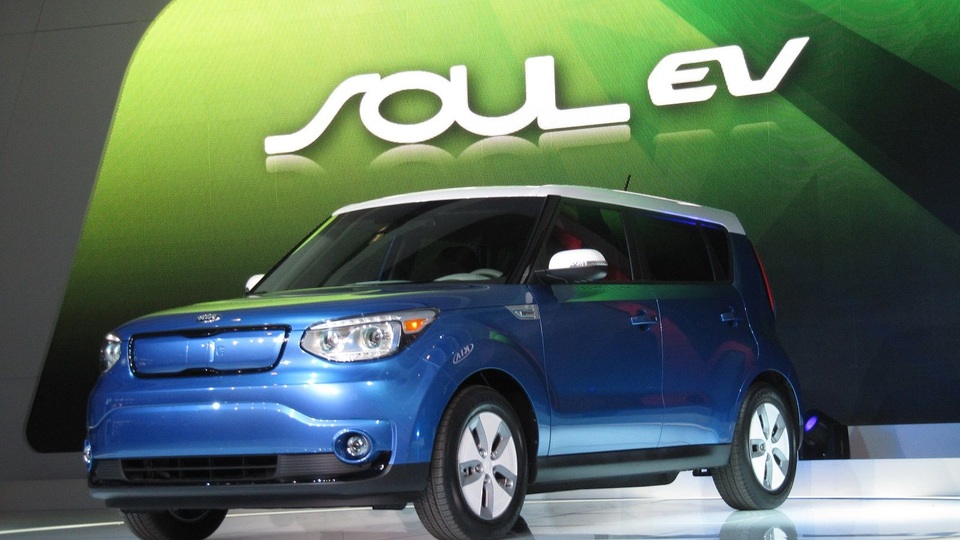
Back in the mid-2010s, electric vehicles still felt like experiments rather than everyday solutions. Charging stations were sparse, range anxiety was real, and most EVs looked either futuristic to a fault or painfully bland. That’s where the 2015 Kia Soul EV quietly changed the conversation. Instead of reinventing the wheel, Kia electrified a car people already liked—and trusted.
The Soul EV took the familiar boxy charm of the gas-powered Soul and replaced its engine with an all-electric drivetrain. For urban drivers, commuters, and early EV adopters, it became one of the most approachable electric cars of its time.
Electric Powertrain and Real-World Performance
At the heart of the 2015 model sits a 27 kWh lithium-ion polymer battery, mounted beneath the floor to preserve cabin space and lower the center of gravity. On paper, the EPA-estimated range was 93 miles, which might sound modest today, but in 2015 it was competitive—especially for a non-luxury EV.
In daily use, that translated well to city driving. Short commutes, grocery runs, school drop-offs, and errands could easily be handled on a single charge. Highway driving did reduce range, but regenerative braking helped recapture energy during stop-and-go traffic, making the car particularly efficient in urban environments.
The electric motor produced 109 horsepower with an impressive 210 lb-ft of instant torque. Acceleration wasn’t sports-car fast, but it was smooth, quiet, and surprisingly responsive at low speeds. Merging into traffic felt confident, and the near-silent ride added a calmness that many owners grew to love.
I remember taking a short test drive in one years ago, and the absence of engine noise was genuinely disorienting at first—then addictive.
Charging Options That Made Ownership Easier
One of the Soul EV’s strongest advantages was charging flexibility. Kia included both a standard J1772 port for Level 1 and Level 2 charging and a CHAdeMO DC fast-charging port—something not all competitors offered at the time.
- A standard household outlet could fully recharge the battery overnight.
- A 240V Level 2 charger reduced that time to under five hours.
- With a DC fast charger, the battery could reach about 80% in roughly 30–35 minutes.
For a 2015 EV, that level of convenience mattered. It meant owners weren’t locked into slow charging only, and longer trips—while still limited—became more practical.
Interior Space and Everyday Comfort
Despite the battery placement, interior space remained a strong point. Rear legroom was only slightly reduced compared to the gasoline version, and cargo capacity stayed intact. With the rear seats up, the Soul EV still offered generous storage for a compact crossover.
Inside, the cabin leaned into a modern, eco-conscious theme. Bright accents, clean lines, and a digital instrument cluster gave the car a futuristic feel without being overwhelming. Kia also used bio-based materials throughout the interior, which earned third-party environmental validation—an uncommon achievement at the time.
Standard features included:
- An 8-inch touchscreen navigation system
- Rearview camera
- Bluetooth connectivity
- Automatic climate control with energy-saving modes
- A heat-pump HVAC system designed to reduce battery drain
The climate system, in particular, was thoughtfully engineered. Features like “Driver Only” ventilation and pre-conditioning while plugged in helped extend driving range—small details that made a big difference in real-world use.
How It Compared to Other EVs of Its Era
To understand where the Soul EV stood, it helps to see it alongside other electric vehicles available around 2015:
| Vehicle | EPA Range | DC Fast Charging | Interior Space | Price Segment |
|---|---|---|---|---|
| Kia Soul EV (2015) | ~93 miles | Yes (CHAdeMO) | Spacious | Mainstream |
| Nissan Leaf (2015) | ~84 miles | Optional | Moderate | Mainstream |
| BMW i3 | ~81 miles | Yes | Compact | Premium |
| Chevy Spark EV | ~82 miles | Yes | Limited | Budget |
The Soul EV didn’t try to be the fastest or the most luxurious. Instead, it delivered balance—usable range, roomy interior, distinctive design, and everyday practicality at a reasonable price.
Design That Refused to Blend In
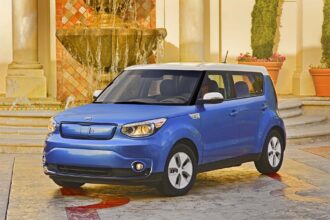
The Soul’s boxy silhouette translated surprisingly well into electric form. EV-specific touches like the closed-off grille (which hid the charging ports), aerodynamic wheels, LED lighting, and exclusive color combinations helped it stand out without screaming “electric.”
This mattered more than it seems. Many buyers wanted an EV that felt normal—something that didn’t announce itself as a science project. The Soul EV achieved that balance, blending personality with purpose.
A Real-World Ownership Scenario
Imagine a city-based professional with a 25-mile daily commute, access to overnight home charging, and occasional weekend errands. For that driver, the Soul EV fit almost perfectly. Charging once every two or three days became routine, fuel costs dropped dramatically, and maintenance was minimal—no oil changes, fewer moving parts, and predictable running costs.
Even today, many used examples still serve as reliable second cars or urban commuters, especially for households transitioning toward electric mobility.
Why the 2015 Soul EV Still Matters
The lasting value of this car isn’t just in its specs—it’s in what it represented. It proved that electric vehicles didn’t have to be luxury items or minimalist experiments. They could be practical, expressive, and genuinely livable.
For buyers exploring the used EV market, the 2015 model remains appealing because:
- It offers DC fast charging, unlike some early EVs
- Cabin space rivals many modern crossovers
- Build quality has aged well
- Operating costs are extremely low
While newer EVs offer longer range, the Soul EV’s simplicity and honesty still resonate.
Related: 2025 Kia Soul Overview
Conclusion
The 2015 Kia Soul EV wasn’t designed to dominate headlines—it was built to fit into real lives. By pairing an existing, well-loved platform with a capable electric drivetrain, Kia delivered one of the most approachable EVs of its era. Even years later, it stands as a reminder that progress doesn’t always require reinvention—sometimes it just needs smart execution.
FAQs
Is the 2015 Kia Soul EV still worth buying today?
Yes, especially as a used city car or secondary vehicle. Its range suits daily commuting, and maintenance costs remain low.
What is the real-world driving range?
Most owners report between 75–90 miles depending on driving style, terrain, and climate use.
Does it support fast charging?
Yes, it includes a CHAdeMO DC fast-charging port as standard.
How reliable is the battery over time?
Battery degradation has generally been modest, particularly in moderate climates and with proper charging habits.
Who is this car best suited for?
Urban drivers, commuters with home charging, and anyone seeking an affordable entry into electric driving without sacrificing interior space.