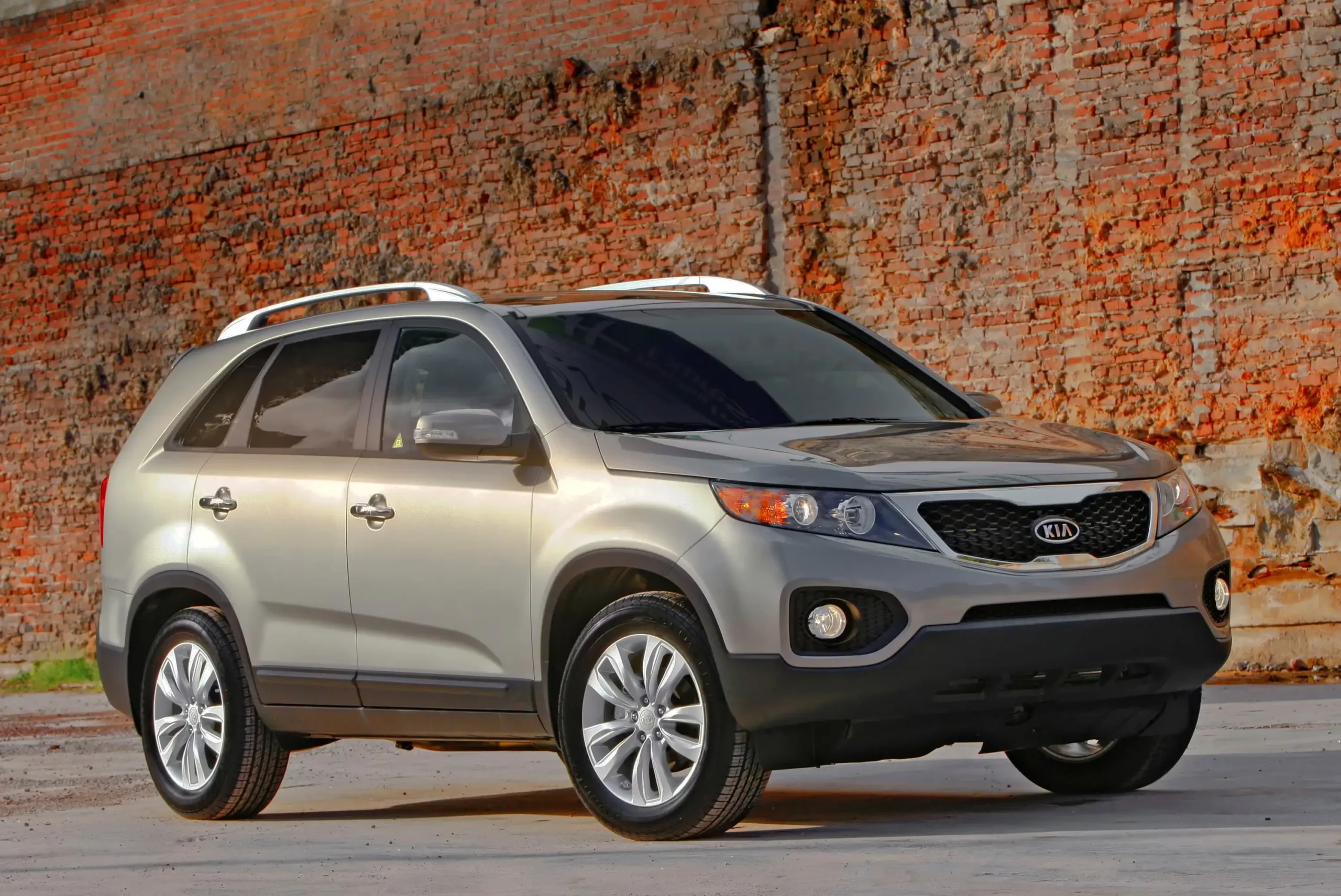
The 2013 Kia Sorento arrived at a moment when compact crossovers were shifting from “nice-to-have” family vehicles into everyday essentials. Buyers wanted space without bulk, power without waste, and features without luxury-brand pricing. Kia didn’t chase headlines with radical redesigns that year. Instead, it refined what already worked and that’s precisely why the 2013 Sorento still holds relevance today.
Built in the United States at Kia’s Georgia plant, the Sorento entered its third model year with thoughtful upgrades aimed squarely at real owners. Leather seating became standard on mid-level trims, third-row seating expanded availability, and technology once considered premium filtered down into more affordable versions. Rather than reinventing the wheel, Kia sharpened the value equation—and for many households, that made all the difference.
Designed for Real Life, Not Just the Brochure
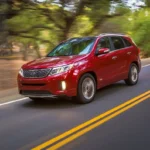
At first glance, the 2013 Sorento strikes a careful balance between muscular and modern. Its proportions neither oversized nor cramped made it easy to maneuver in urban settings while still looking confident on highways. Kia’s signature grille and swept-back headlamps gave it a cohesive identity, while subtle body sculpting added visual interest without unnecessary flair.
Inside, the cabin focused on function. Depending on configuration, the Sorento seated five or seven passengers, a flexibility many compact crossovers at the time struggled to offer. Cargo space was generous enough for grocery runs, sports gear, or weekend trips, and the second-row seating struck a good balance between comfort and accessibility for families with growing kids.
I still remember driving a 2013 Sorento on a long interstate trip and being surprised by how quiet and composed it felt less tiring than many competitors I’d tested in the same segment.
Technology That Aged Gracefully
What set the 2013 Sorento apart wasn’t flashy screens, but how thoughtfully its technology was integrated. Bluetooth connectivity, USB inputs, steering-wheel audio controls, and satellite radio came standard or easily accessible across trims. Kia’s early voice-activated infotainment system allowed drivers to manage calls and music without fumbling for buttons an early nod toward hands-free driving norms that would soon become standard.
Higher trims added navigation, premium audio, and push-button start, but even base models avoided feeling stripped down. This careful packaging helped the Sorento appeal to both first-time crossover buyers and families upgrading from sedans.
Powertrain Choices That Fit Different Drivers
Under the hood, Kia offered something increasingly rare at the time: genuine choice. Buyers could opt for a fuel-efficient four-cylinder engine or step up to a V6 that delivered class-leading horsepower. The four-cylinder versions were ideal for commuters and smaller families, offering strong highway efficiency without feeling underpowered. Meanwhile, the V6 option made towing, highway merging, and full passenger loads feel effortless.
All engines paired with a smooth six-speed automatic transmission, and available all-wheel drive gave drivers added confidence in rain or light snow particularly valuable for families living outside major urban centers.
Where the Sorento Stacked Up Against Rivals
Rather than simply matching competitors, the 2013 Sorento quietly exceeded expectations in key areas. When compared with similar crossovers from the same era, it often delivered more power and features for the price.
| Vehicle (2013) | Engine Power | Seating Options | Notable Strength |
|---|---|---|---|
| Kia Sorento | Up to 276 hp | 5 or 7 | Strong value, high V6 output |
| Toyota RAV4 | Up to 176 hp | 5 | Reliability-focused |
| Honda CR-V | Up to 185 hp | 5 | Refined ride |
| Ford Escape | Up to 240 hp (turbo) | 5 | Sporty handling |
What made the Sorento stand out was its ability to combine near-midsize capability with compact crossover pricing something rivals often achieved only through expensive option packages.
Safety Without Compromise
Safety was not treated as an upsell. The 2013 Sorento included a comprehensive set of airbags, electronic stability control, anti-lock brakes, and hill-start assist as standard. Features like downhill brake control added extra confidence on steep terrain, especially for drivers new to crossovers.
These systems worked quietly in the background, reinforcing Kia’s growing reputation for delivering peace of mind without inflating the sticker price.
A Crossover That Fit Everyday Scenarios
Imagine a family of five heading out on a weekend camping trip. The third-row seat accommodates the kids, the rear cargo area swallows tents and coolers, and the V6 engine handles highway grades without stress. During the week, the same vehicle becomes a comfortable commuter, easy to park and economical enough to justify daily use. That dual-purpose nature was the Sorento’s greatest strength, it didn’t force owners to choose between practicality and drivability.
Ownership Value That Extended Beyond Purchase Day
Kia’s industry-leading warranty played a quiet but powerful role in the Sorento’s appeal. Long powertrain coverage and solid basic warranties reduced anxiety for buyers wary of long-term ownership costs. Combined with competitive fuel economy and reasonable maintenance expenses, the 2013 Sorento proved economical well beyond the showroom.
Related: 2012 Kia Sorento Overview
Conclusion
The 2013 Kia Sorento didn’t rely on gimmicks or overstatement. Instead, it delivered balanced performance, flexible seating, thoughtful technology, and strong safety credentials all wrapped in a package priced for real families. Its success wasn’t accidental; it was the result of listening closely to consumer needs and refining the product accordingly. Even years later, the Sorento remains a reminder that smart evolution often matters more than dramatic reinvention.
FAQs
Is the 2013 Kia Sorento reliable today?
With proper maintenance, many owners report strong long-term reliability. The robust warranty and straightforward mechanical design contribute to its durability.
Does the 2013 Sorento have third-row seating?
Yes, select trims offer a third row, making it suitable for larger families or occasional extra passengers.
Is the V6 worth choosing over the four-cylinder?
If you frequently carry heavy loads or drive long highway distances, the V6 offers noticeable performance benefits. For daily commuting, the four-cylinder remains efficient and capable.
How does it compare to newer crossovers?
While newer models offer advanced driver-assistance tech, the 2013 Sorento still competes well in terms of space, comfort, and value especially on the used market.
Is all-wheel drive available?
Yes, all-wheel drive was optional, providing added traction in adverse weather conditions.
In many ways, the 2013 Sorento represents a turning point for Kia a vehicle that quietly proved the brand could compete not just on price, but on substance.