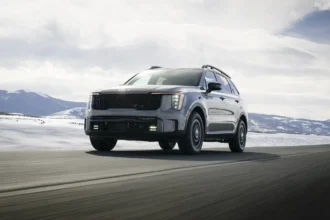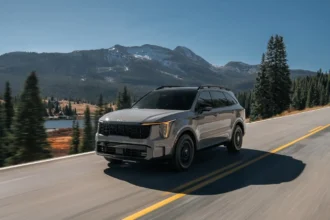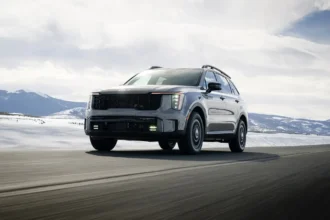
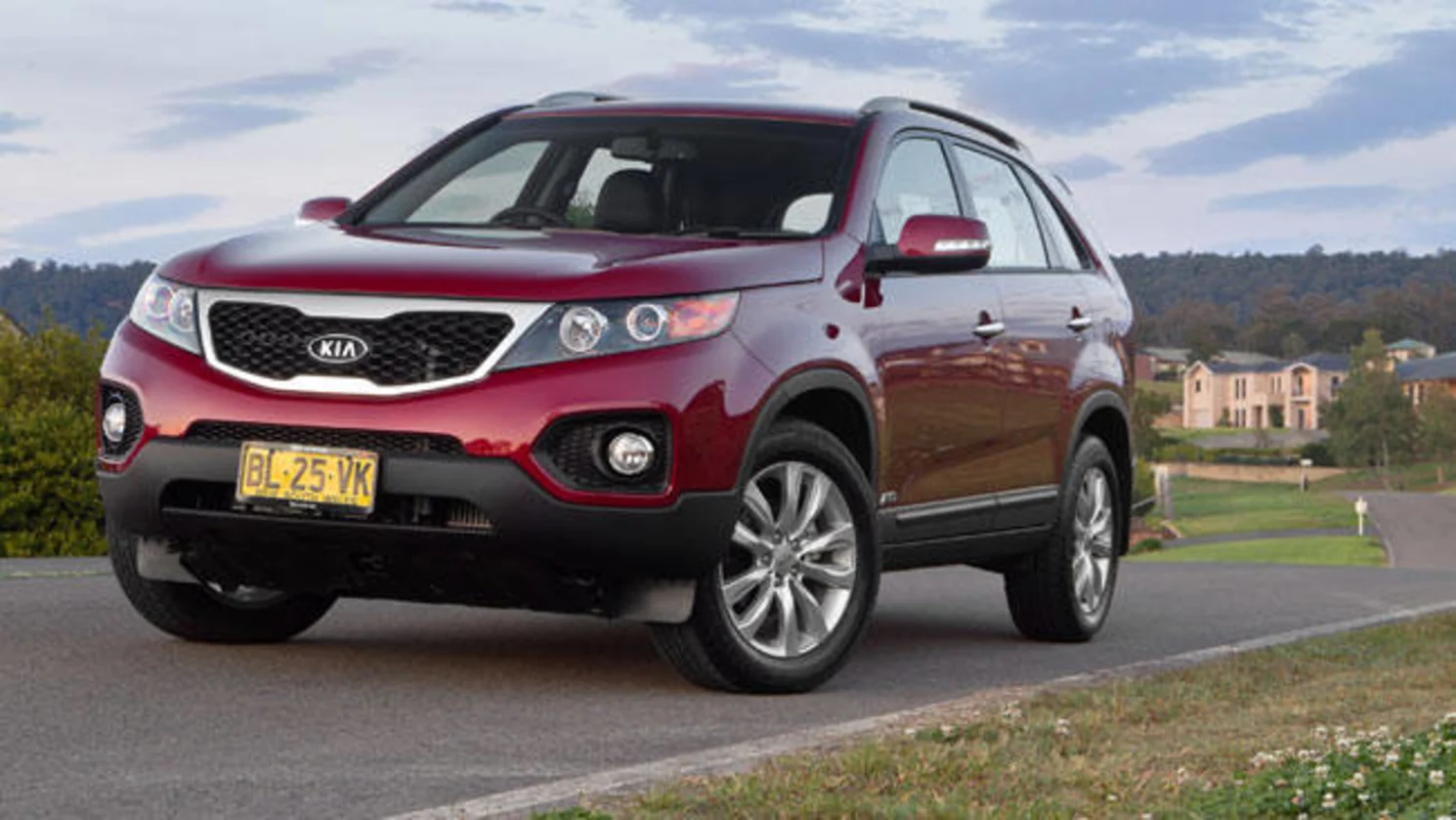
The 2012 Kia Sorento arrived at a pivotal moment for the brand, acting not just as an upgraded model but as a statement of intent. Heavily updated from its predecessor, this generation brought sharper exterior styling, a notably improved cabin, and features that felt closer to premium rivals. It offered real family practicality with a standard seven-seat layout, more confident highway performance, and options like all-wheel drive, Flex Steer, and hill descent control for drivers looking to get a little more capability from a daily SUV. In an era where mid-size crossovers struggled to balance comfort and dynamics, the Sorento stepped forward as a competent all-rounder designed for those who wanted value without sacrificing dependability or convenience.
Artificial intelligence and automotive analytics today help us understand something the market didn’t fully see in 2012: this SUV wasn’t just redesigned; it was repositioned. It featured a structure built for long-term reliability, an enhanced suspension tune for better on-road manners, and an interior meant to challenge brands priced above it. That’s why the Sorento still fits well in search intent today—buyers aren’t just trying to understand a discontinued model; they’re evaluating whether this older SUV stands the test of time for family use, long drives, and light adventure.
A Fresher Design and Upgraded Road Presence
The 2012 refresh introduced more assertive front-end lines, better headlamp integration, and improved aerodynamics. Compared to the previous generation, the stance felt more premium, and the shape no longer looked like a box on wheels. The bumpers, grille, and lamps worked cohesively, and even now, it doesn’t feel outdated the moment it pulls up next to modern traffic.
Inside is where the evolution is most noticeable. New soft-touch materials replaced the harder plastics of older models, the instrument panel design became more driver-centric, and available features like navigation, reverse camera, power-adjustable seats, and memory/cooling options helped the Sorento feel more grown-up. While not a luxury SUV, it presented a practical comfort zone—warm, intuitive, and logically arranged.
Seating, Comfort, and Everyday Usability
As a standard seven-seater, the 2012 Sorento targeted households that needed interior space without moving to a full-size platform. The second row folded easily for third-row access, and the last row offered more legroom than many competitors in the segment at that time. On long trips, adults might tire in the back, but kids fit comfortably, and families liked the flexibility. The ride was on the comfortable side of firm; it absorbed bumps without floating excessively, though body roll remained typical for an SUV of this size.
A personal experience moment: I once rode in a 2012 Sorento on a cross-province trip, and what struck me most was the quiet cabin at highway speeds—far calmer than I expected for an SUV in this category.
Engines, Drivetrain, and Real-world Performance
Depending on market, the Sorento was offered with either a 2.2L turbo diesel engine (Europe/UK) or petrol options including a V6 in North America. The diesel was the star performer—around 194 bhp, with a confident torque pull even when fully loaded. Whether paired with a manual or automatic gearbox, its balance of efficiency and usable power made it a logical choice for drivers who regularly carried passengers or luggage.
AWD models featured torque distribution that could lock up to 50/50, plus hill start assist and hill descent control—details that gave it genuine capability beyond mall parking lots. Drivers noticed better planted stability on wet or gravel surfaces, and the Flex Steer system allowed adjustments to the steering feel depending on preference.
Everyday Ownership – A Real Scenario That Explains Its Purpose
Imagine a family of five planning a weekend retreat. The driveway starts with school bags and groceries and ends with camping equipment, bicycles, and a dog crate. The Sorento fits it all, the diesel engine hauls confidently up the highway, and AWD offers reassurance on a muddy access road. Inside, the second-row passengers charge devices and stream content, while the driver benefits from elevated vision and predictable handling. On Monday morning, it becomes a school bus and office commuter again. That is exactly where the 2012 Sorento shines—not in spec sheet battles but in daily life practicality.
How It Stacked Against Rivals at the Time
Below is a natural comparison to illustrate why it competed strongly in its segment without inflating expectations:
| Feature/Aspect | 2012 Kia Sorento | Toyota Highlander 2012 | Honda CR-V 2012 |
|---|---|---|---|
| Seating Capacity | 7 Seats Standard | Optional 7 | 5 Seats Only |
| AWD Capability | Available w/ Lock & HDC | Available, less system control | Available, lighter duty |
| Interior Feel | Semi-premium soft-touch | Conservative but refined | Functional, less premium |
| Best Use Case | Families & mixed-terrain | Comfort commuters | Daily city driving |
| Value Proposition | Pricing + Features Combo | Brand heritage & resale | Efficiency & reliability |
This is where the Sorento carved out a unique value. It wasn’t trying to be the cheapest. It was trying to deliver the most SUV for the money.
Ownership Value, Reliability, and Running Costs
The seven-year/100,000-mile warranty (in some markets) stood out like a bold underline. Running costs remained reasonable, especially with the diesel engine’s fuel economy. Routine maintenance wasn’t as steep as premium brands, and parts availability stayed solid due to long-running production cycles. It’s the type of SUV that made sense financially for families building toward multi-year ownership with dependable resale.
Related: 2012 Kia Sorento Overview
Conclusion
The 2012 Kia Sorento represents a turning point for the brand—a mid-size SUV that refined the fundamentals while adding just enough sophistication to earn respect. It wasn’t the best in every category, but its all-around smart design, real-world usability, and long-term ownership value made it more than the sum of its specifications. For buyers today searching for a functional used SUV with seven seats, good equipment, and respectable dependability, the 2012 Sorento remains a practical contender.
FAQs
Is the 2012 Kia Sorento a good family SUV?
Yes. Its seven-seat layout, decent cargo flexibility, and comfortable ride make it a strong family choice.
Does it handle highways well?
Surprisingly well for its age—quiet cabin, confident ride, and comfortable seats on long drives.
What engine is best?
The 2.2L diesel (UK/EU) offers the best balance of torque, efficiency, and towing strength.
Is the third row usable?
For kids and teenagers, yes. For adults, it works on shorter trips or emergency seating.